










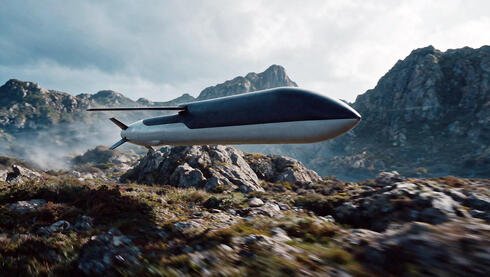
Rafael unveils new cruise missile with half-ton warhead as demand for advanced weapons grows
The Israeli defense company says its new Super Ice missile can be launched from air, sea and land platforms and is designed to strike targets with high precision. Rafael says the Ice Breaker family has generated more than $1 billion in revenue and attracted orders for over 1,000 missiles.
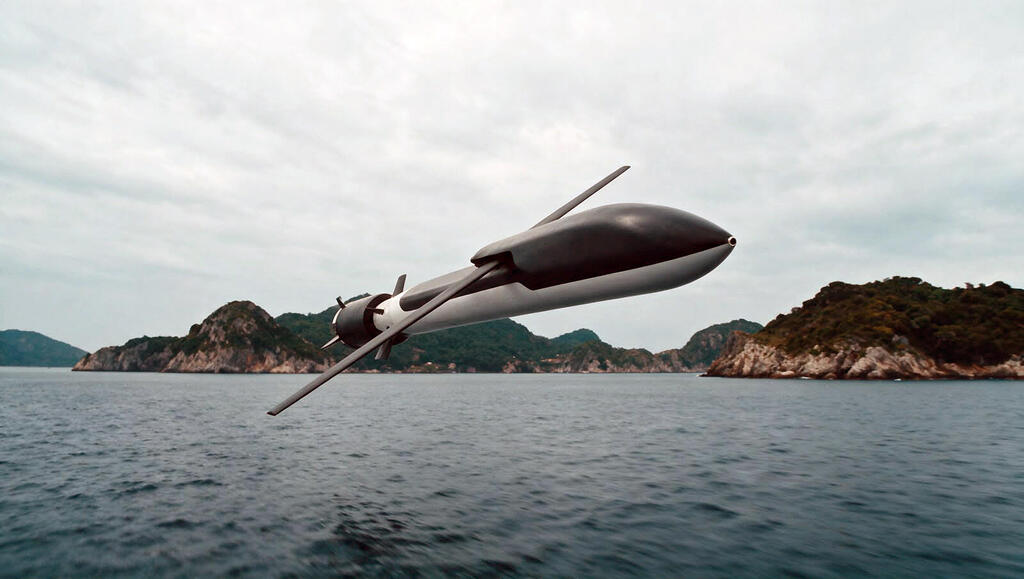
The veil of secrecy has been lifted. Israeli defense manufacturer Rafael unveiled a new cruise missile on Wednesday, expanding its Ice Breaker family with a longer-range weapon called Super Ice. The missile carries a half-ton warhead, making it larger than previous versions in the series.
Rafael says the missile offers advanced autonomous navigation, low-altitude terrain-following flight, all-weather operational capabilities and high-precision strikes against a wide range of targets. Its accuracy is based on an advanced electro-optical guidance system that uses high-precision image-matching technology. The missile can be launched from air, sea or land platforms.
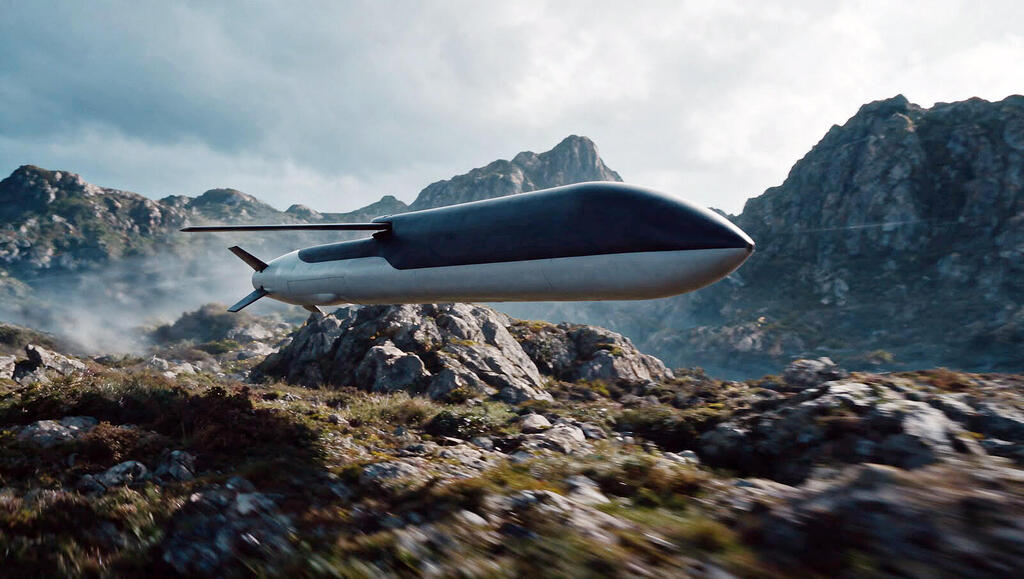
Rafael has declined to disclose its specific range, explaining that secrecy is central to the effectiveness of a cruise missile. “The essence of a cruise missile is stealthy flight. It travels most of its journey without being detected. An effective cruise missile is one that the defender only encounters shortly before it reaches its target,” the company said.
The Ice Breaker family, first introduced in 2021, had generated more than $1 billion in revenue by 2023, according to Rafael. The company said it received orders for more than 1,000 missiles in 2024. The family now has six customers, although Rafael declined to identify them, saying disclosure could compromise their strategic advantage.
Based on demonstration videos released by Rafael, the new missile appears capable of being used for precision strikes against fortified targets, including bunkers and surface-to-surface missile launchers. Rafael describes Super Ice as the fifth generation of the original Ice Breaker family.
“The enemy studies us, but we push the boundaries of imagination regarding stealth and the element of surprise,” Rafael representatives said.
The company also says the new missile is competitive in terms of both cost and production. However, Rafael positions it as a premium weapon rather than a direct competitor to lower-cost cruise missiles, such as the one unveiled last month by Israeli defense-tech startup Covenant.
The distinction reflects a broader debate in the defense industry over the balance between sophisticated, expensive weapons and cheaper munitions that can be produced in large numbers. The wars in Ukraine and the Middle East, along with rising tensions between the United States and Iran, have highlighted the importance of replenishing weapons stockpiles and ensuring that advanced munitions can be manufactured at scale.
The challenge is particularly acute for the United States. According to U.S. reports, American forces could fire as many as 850 Tomahawk cruise missiles during the first weeks of a potential conflict with Iran, equivalent to roughly a quarter of the U.S. military's reported stockpile. The U.S. Navy, meanwhile, is expected to receive only 110 new missiles this year.
“Rafael’s systems have played a decisive role in combat operations in recent years, proving their operational value and their capacity to address complex, evolving challenges,” said Yoav Turgeman, Rafael's CEO. “The Ice Breaker represents the most advanced generation of Rafael-produced cruise missiles. It integrates cutting-edge capabilities designed to meet the highly complex, multi-domain operational requirements of our diverse client base. We will continue to develop and spearhead advanced technological capabilities, grounded in operational experience, innovation and a profound understanding of the shifting demands of modern warfare.”



