










“All systems must advance in parallel with Iran’s arms race”: Israel moves to overhaul military procurement
New initiative targets IDF indecision, ministry inefficiencies, and finance bottlenecks amid rising regional threats.
The Defense Ministry is seeking a retired major general to lead an external team being established by Director General Amir Baram to examine the efficiency of defense procurement processes. The team, expected to be set up in the coming weeks, aims to produce recommendations that could drive comprehensive reform in how the defense establishment manages its relationships with defense industries and suppliers.
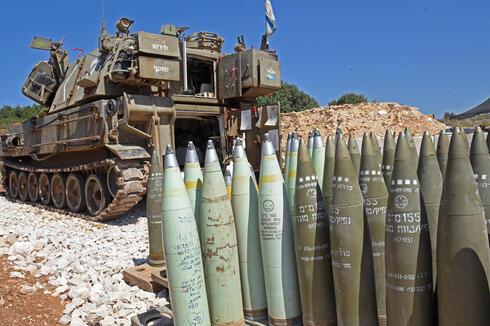
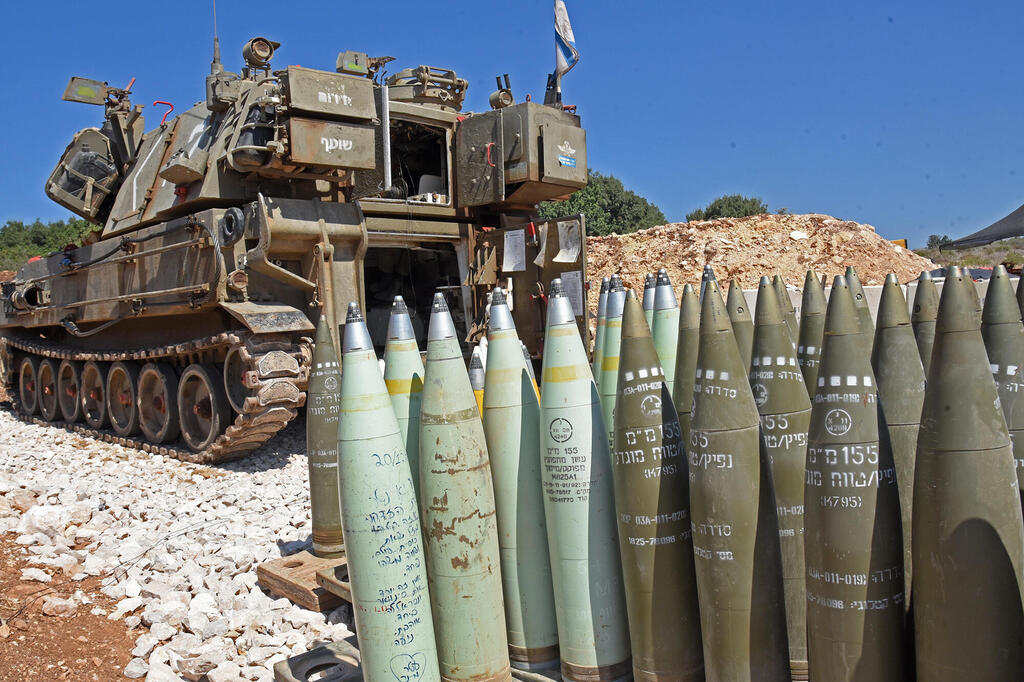
Currently, these processes are widely seen as inefficient, plagued by bureaucracy, lack of coordination, and procrastination, factors that make it difficult to accelerate readiness and force-building in preparation for future conflicts. Baram expressed his frustration with the current situation at the Calcalist Forecasts Conference last week, stating that, although procurement decisions are legally approved by the Ministerial Procurement Committee, essential and urgent acquisitions are moving too slowly relative to the speed at which Israel’s adversaries are reinforcing their capabilities.
“This situation makes it difficult for Israel to align its force-building with the timelines of emerging threats,” Baram said. Reflecting on the October 7 war, he added, “With our enemies, force building happens in a single decision. We do not want to resemble them, but we must shorten processes and reduce regulation.”
The new team will focus on three major bottlenecks that have stalled urgent procurement plans for months, sometimes years.
First, the IDF itself often struggles to determine its priorities, differentiating between what it wants and what it needs. Indecision at the military level carries a significant cost: the IDF is the end user of new weapons systems and capabilities, and without clear guidance, no other body can make these decisions.
Second, the Ministry of Defense houses multiple agencies involved in procurement and equipment planning, including the Defense Procurement Directorate (DPD) and the Directorate of Defense Research and Development (DDR&D). These units are frequently unsynchronized. A senior defense official described the situation as “a triangle of power, disputes, and conflicting agendas, which slows discussions to the point where decisions, when made, are no longer relevant.” The official added, “Even when the director general intervenes, the decision often reflects the perspective of one directorate rather than the whole. This cannot continue in a period when all systems must advance in parallel with Iran’s arms race.”
Third, budgetary constraints imposed by the Ministry of Finance present another major hurdle. The 2026 defense budget was set at 112 billion shekels (approximately $35B), short of the 144 billion shekels ($45B) requested by the Defense Ministry. Baram criticized the Treasury for underfunding defense needs, claiming that it creates an artificial deficit and slows procurement by controlling cash flow.
Since the start of the war, Defense Ministry procurement has totaled 329 billion shekels ($103B), with 226 billion shekels ($71B) spent on multi-year agreements with Israeli industries, the largest defense procurement in the country’s history.
The Defense Ministry seeks a general with experience in force-building, familiarity with the ministry’s management, decision-making processes, and knowledge of defense industry development challenges. The team assisting him will include veterans of IDF units, former ministry officials, and personnel from the Ministry of Finance. According to a senior defense official, “The more inter-ministerial consensus this team can build, the easier it will be to validate and implement its recommendations.”
Tensions between the Defense and Finance Ministries remain high. Finance officials accuse the defense establishment of excessive spending, warning of economic consequences similar to those after the Yom Kippur War. Conversely, the Defense Ministry sees the Treasury as overly rigid and slow to adapt to post-October 7 realities.
The first weekend of 2026 highlighted these tensions. Finance officials, anticipating a possible 8-billion-shekel demand from the Defense Ministry, launched what was seen as a “preemptive attack,” accusing the ministry of planning budget overruns without security justification. Defense officials clarified that no such request had been made, calling the alarm a “false alarm,” while noting that future budget demands are inevitable given the IDF’s extensive challenges.
Meanwhile, security threats continue to mount. Iran is accelerating ballistic missile production and restoring its air defense capabilities, damaged during Israel’s 12-Day War last June and prior conflicts in 2024. In Lebanon, deadlines for Hezbollah’s disarmament have expired, requiring critical decisions under Israel’s latest security strategy. The IDF remains on high alert across multiple fronts, a vigilance underscored when sirens sounded in Kibbutz Bar’am near the northern border for the first time in months. An Iron Dome interceptor, costing approximately $50,000, was launched at what was later determined to be a false alarm caused by migratory birds. Security officials warn that future alarms could be real, further emphasizing the urgency of efficient procurement.



