










The price of false alarms: How Trump's Iran threats are draining Israel's defense budget
Each new alert triggered by Washington requires immediate military preparations, even when fighting never materializes, deepening the financial and manpower strain on Israel's armed forces.
Last weekend, the IDF came closer than at any point since April to renewing its regional war against Iran, after Israel raised its alert level in response to fears that fighting could resume. The previous campaign, which lasted about 40 days and was conducted alongside the U.S. military, ended in April after U.S. President Donald Trump ordered Prime Minister Benjamin Netanyahu to halt operations.
Trump's repeated warnings on his Truth Social platform that the campaign could soon resume, coupled with threats to strike Iran's energy infrastructure and Tehran's warnings that it would retaliate against energy facilities in the Gulf and Israel, including gas platforms in the Mediterranean, pushed Israel's defense establishment into wartime readiness within hours, at an estimated cost of hundreds of millions of shekels.
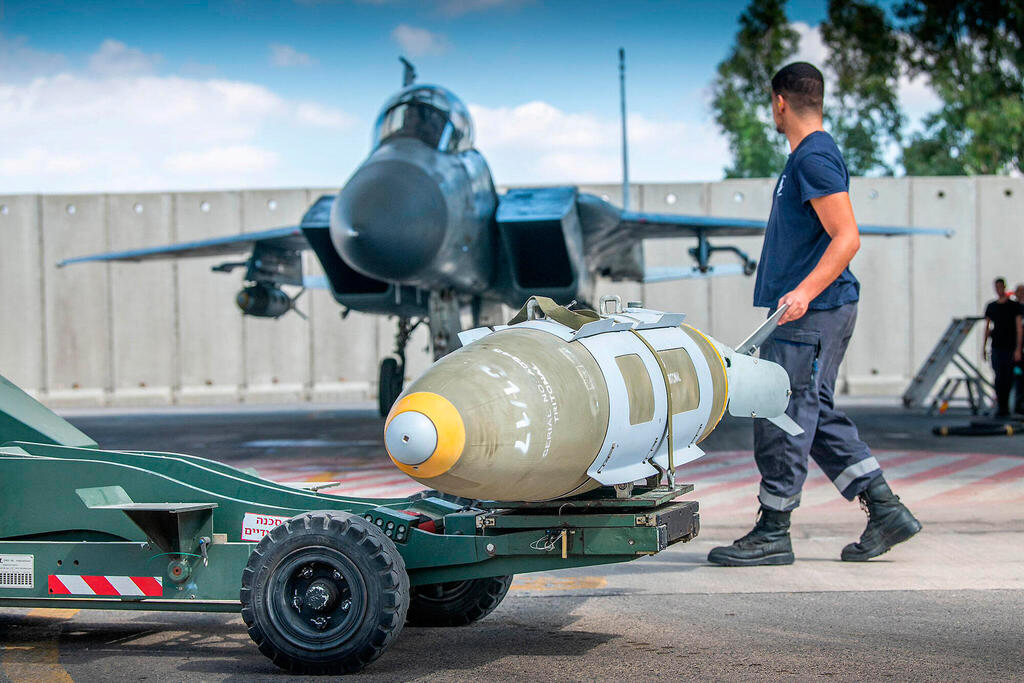
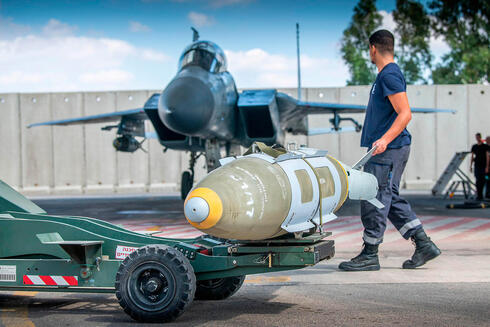
The preparations included the rapid mobilization of Air Force pilots, technicians and ground crews; raising the readiness of Israel's air defense systems against potential missile barrages targeting critical infrastructure and civilian areas; deploying intelligence units alongside Home Front Command search-and-rescue teams; and reinforcing troop deployments along Israel's northern border and in Lebanon amid concerns that renewed fighting with Iran would quickly escalate into a broader confrontation with Hezbollah.
On the night between Saturday and Sunday, and during roughly five similar Iran-related alerts triggered by Trump's warnings since the campaign was suspended on April 8, the U.S. president eventually shifted course, publishing a reassuring message that negotiations with Tehran could resume and suggesting Iran remained interested in reaching an agreement.
Each of those alerts carries a significant price tag, even if the IDF never fires a single bullet.
Preparing for a possible war requires mobilizing tens of thousands of reservists, accelerating logistical preparations, moving forces and equipment into position, and maintaining elevated readiness across multiple military branches. All this comes while the IDF is already deployed in security zones in Gaza, Syria and Lebanon and continues to station dozens of additional battalions in the West Bank amid fears of rapid escalation.
Nearly three years into the longest war in Israel's history, the military is facing an acute manpower shortage. The IDF is short approximately 12,000 regular soldiers, primarily in combat roles, while the government continues to grapple with ultra-Orthodox draft exemptions, expanding security threats and growing fatigue among reserve forces.
The repeated swings between diplomacy and renewed military threats have themselves become a costly operational challenge.
Defense officials say every new alert forces expensive emergency preparations funded with money that effectively does not exist. As budget officials in the Defense Ministry and the IDF calculate the costs of ongoing military operations alongside repeated periods of heightened readiness, the numbers continue to climb.
From the military's perspective, Israel remains in the midst of the second Iran war, which began at the end of February, expanded into Lebanon and culminated in June's "17-hour battle," during which Iran fired more than 20 missiles at Israel in retaliation for an Israeli strike in Beirut's Dahieh district. That brief exchange alone cost Israel approximately half a billion shekels, largely due to Air Force operations and the use of missile interceptors.
By mid-April, the defense establishment estimated the military cost of the second Iran war at NIS 39 billion. By the beginning of this week, that estimate had risen to NIS 51 billion.
The growing bill comes despite what defense officials describe as little improvement in Israel's overall strategic position.
The strain is also evident in the reserve system. At the beginning of the year, the IDF hoped to reduce the average number of reservists on active duty during 2026 to around 40,000 per day. In practice, that figure has remained closer to 65,000. Military planners also assume that Israeli forces will remain deployed in the security zone in southern Lebanon at least through the end of the year.
The mounting financial burden has intensified disputes between the Defense Ministry and the Finance Ministry.
The Defense Ministry has been waiting for about a month for the Treasury to implement agreements reached following lengthy negotiations mediated by the National Security Council to increase the 2026 defense budget by an additional NIS 40 billion. If approved in full, Israel's defense budget would rise to NIS 183 billion, covering the costs of the second Iran war while allowing the ministry to begin repaying more than NIS 15 billion in debts accumulated with defense contractors.
Under the agreement, the Finance Ministry was expected to immediately transfer NIS 15 billion from budget reserves, while decisions regarding the remaining NIS 25 billion were scheduled for October and November based on the military's actual spending.
Defense officials say those initial funds have yet to arrive.
They also complain that the Treasury has still not approved a separate arrangement allowing the Defense Ministry to make long-term procurement commitments based on a NIS 350 billion addition to Israel's defense budget over the coming decade, a framework previously endorsed by the prime minister.
Such authorization is essential for placing long-term orders for advanced weapons systems. Defense officials warn that delays in approving those commitments could postpone critical procurement programs by years.
The Treasury said last week that the money would be transferred "within a few days."
According to officials at the Defense Ministry, they have heard that promise more than once, and are still waiting.



