








AI's “English-washing” problem
As AI companies race to align their models, some experts argue the process is making chatbots across languages sound increasingly alike, potentially at the expense of cultural diversity.
Artificial intelligence is often marketed as a tool that can communicate across languages and cultures. But some researchers and language experts warn that today's AI systems may be doing something else entirely: encouraging users around the world to think more like English speakers.
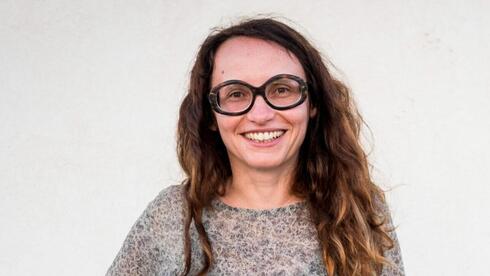
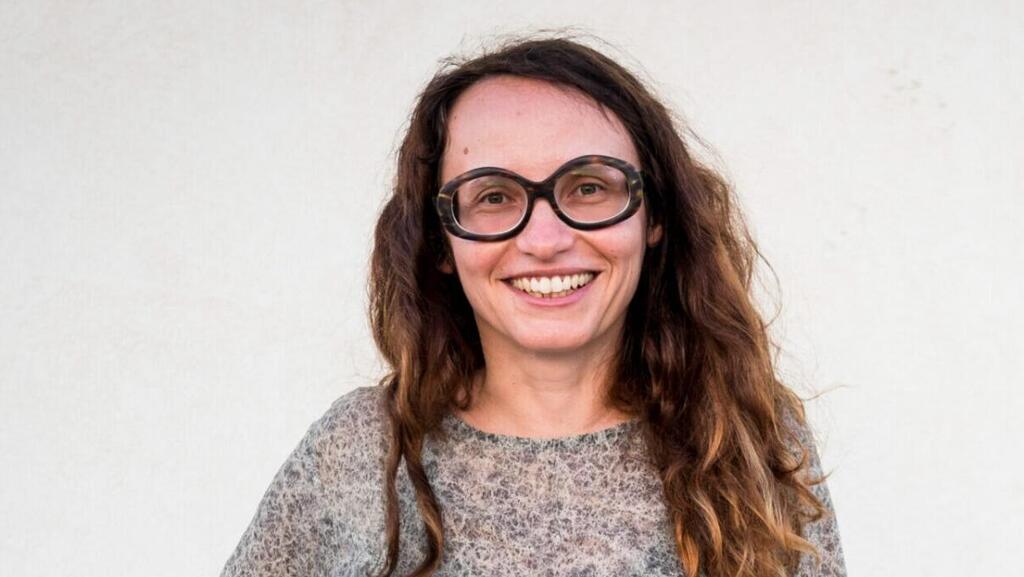
"What I am afraid of mostly is that all these models will make us sound and think in English," said Bar Ilan University's Professor Denisa Reshef Kera, a researcher studying AI governance and multilingual systems.
Reshef Kera argues that the issue goes beyond translation quality. According to her research, the way leading AI models are trained and aligned increasingly pushes them toward a common set of linguistic and cultural assumptions rooted in English-language data and perspectives.
"I don't like the word ‘colonization’. It's overly dramatic," she said. "But some form of standardization is happening."
The concern stems from the reinforcement learning and fine-tuning processes used to align large language models with desired behaviors. While these techniques are intended to improve safety and reliability, Reshef Kera argues that they can also narrow the diversity of viewpoints expressed by AI systems.
"It's all these models telling us we are doing alignment and reinforcement learning," she said. "But through these processes, they're really morphing the model into something that sounds and thinks in English."
In experiments conducted by Reshef Kera, AI systems operating in different languages often produce culturally distinct responses when left relatively unmodified. "If the model is not overly fine-tuned, it actually shows certain cultural differences which are, I believe, worth preserving," she said.
As additional layers of alignment are applied, however, those differences can become less pronounced.
The risks are not merely theoretical. Critics point to persistent shortcomings in AI-powered translation and interpretation systems, particularly when nuance, context, or cultural understanding are required.
"This kind of distortion is seen all the time with AI translation," said professional Russian-English interpreter Cyril Flerov. "The problem is that a user of AI translation who does not speak any other languages has no assurance of quality and has to trust blindly the AI process."
According to Flerov, machine translation often struggles not only with terminology but also with meaning and style.
"A human translator or interpreter is a cross-cultural facilitator and communicator who concentrates on meaning as opposed to substituting words," he said.
Recent research from the World Health Organization appears to reinforce those concerns. A 2025 WHO study evaluating AI interpretation across multiple languages found significant performance gaps. Only one of 90 interpretations received a passing grade, and every interpretation contained at least one reputational risk. The organization concluded that current AI interpretation technology remains unsuitable for external stakeholder meetings without human oversight.
The findings highlight a tension at the heart of AI development. While language models are increasingly capable of generating fluent text in dozens of languages, fluency does not necessarily equate to cultural understanding. Researchers like Reshef Kera worry that as AI systems become embedded in education, government services, workplaces, and everyday communication, they could gradually flatten linguistic and cultural differences rather than preserve them.
For users, the result may be subtle. An AI assistant may respond in Hebrew, Basque, Arabic, or Japanese, yet still reflect assumptions, values, and communication styles that originated elsewhere.
The issue raises broader questions about what constitutes "human-centered" AI. Many technology companies frame alignment efforts as attempts to encode universal values into their models. Reshef Kera disputes the premise.
"There is no human-centric aligned model," she said. "We all have different languages and cultures. We deserve something that supports this richness and plurality of humans rather than claiming some universal values."



