









The Israel Innovation Authority is spearheading a $23.3M investment to establish an AI consortium for personalized medicine
The Israel Innovation Authority, NVIDIA, and several more companies and universities will establish a consortium to develop the next generation of AI applications in biology, drug discovery, and personalized medicine.
The Israel Innovation Authority and a group of companies including NVIDIA, Teva, Sheba, CytoReason, TerraCyte, and MeMed, alongside leading researchers from the Weizmann Institute, the Technion, and Ben-Gurion University, will invest approximately NIS 70 million (approx. $23.3M) to establish a consortium dedicated to developing the next generation of AI applications in biology, drug discovery, and personalized medicine.
The consortium aims to address a key challenge at the forefront of computational biology: the ability to represent, process, and integrate complex, multi-modal, and dynamic biological data. This will enable the development of advanced AI models designed to understand biological processes, predict treatment responses, discover drugs, and support medical and research decision-making.
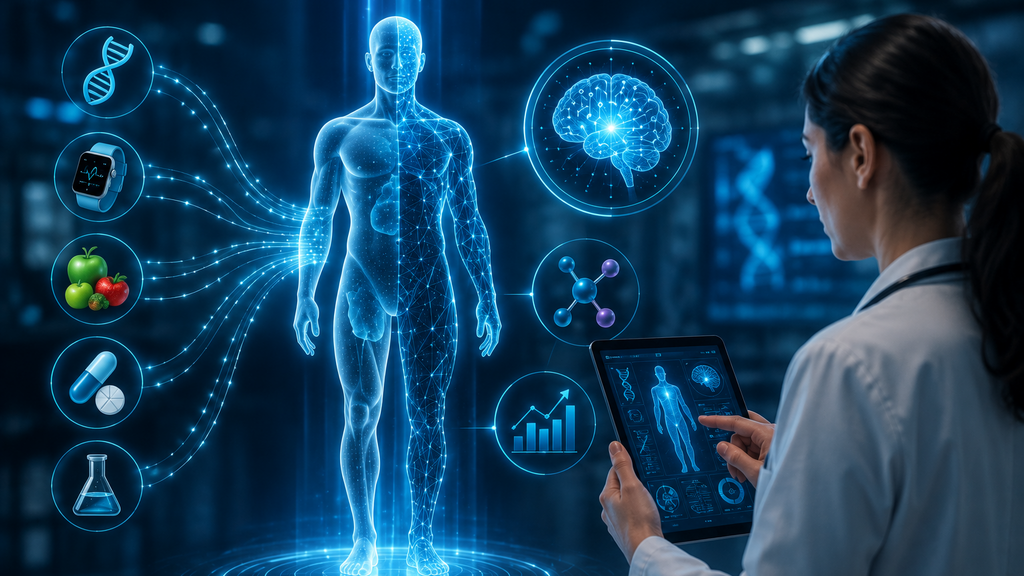
The consortium will develop a shared technological infrastructure comprising two core components. The first is "Bio Tokens," a unified representation layer for diverse types of biological data. The second is the "Factory Model," a platform enabling the development, integration, execution, and accessibility of AI-based biological models. Together, these components will link molecular, cellular, dynamic, and clinical data within a single computational framework, establishing a shared infrastructure to serve industry, academia, and the healthcare system.
The consortium is based on broad collaboration among industrial companies, healthcare organizations, and leading research groups. Partners in the initiative include CytoReason, TerraCyte Analytics, and MeMed, alongside NVIDIA, Teva, and Sheba Medical Center. Scientific activities are led by Prof. Eran Segal and Prof. Nir Yosef from the Weizmann Institute of Science, Prof. Shaן Shen-Orr from the Technion, and Prof. Assaf Zaritsky from Ben-Gurion University. The collaboration among all partners aims to enable the development of a shared, pre-competitive R&D infrastructure that will serve the entire Israeli life sciences ecosystem.
The consortium’s initial applications are expected to focus, among other areas, on predicting responses to oncological treatments, assessing immune system activity, predicting drug hypersensitivity, supporting medical decision-making in cases of sepsis, evaluating transplant rejection, addressing autoimmune diseases, and drug discovery.



