









Israel’s new influence campaign brings AI into the battle for American opinion
A government-backed effort involving former Trump strategist Brad Parscale uses automated messaging, influencers and online content to counter growing criticism of Israel in the United States.
Millions of Americans received unexpected text messages in recent months from people calling themselves Emma, Sarah or John, who introduced themselves as members of an organization called “Friends for Peace.”
The messages asked recipients questions such as: “How do you think the U.S.-Israel peace talks with Iran will affect global security?”
But according to a Wall Street Journal investigation, the conversations were not being conducted by ordinary activists. They were generated with the help of artificial intelligence as part of a broader effort funded by the Israeli government to influence American public opinion.
The campaign reflects a new reality in political persuasion: governments are increasingly turning to technology, data and online networks to shape public debate, and Israel has emerged as one of the most aggressive players in that space.
The effort comes as Israel faces a sharp deterioration in its image among many Americans. A Pew Research Center survey cited in the Journal investigation found that around 60% of U.S. adults now hold a negative view of Israel, amid the wars in Gaza and Iran.
In response, Israel has committed tens of millions of dollars to influence operations aimed particularly at younger conservatives and supporters of former President Donald Trump, according to the reports.
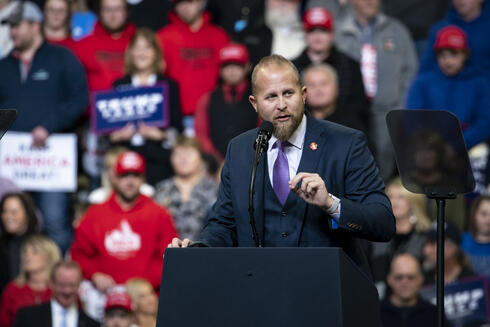
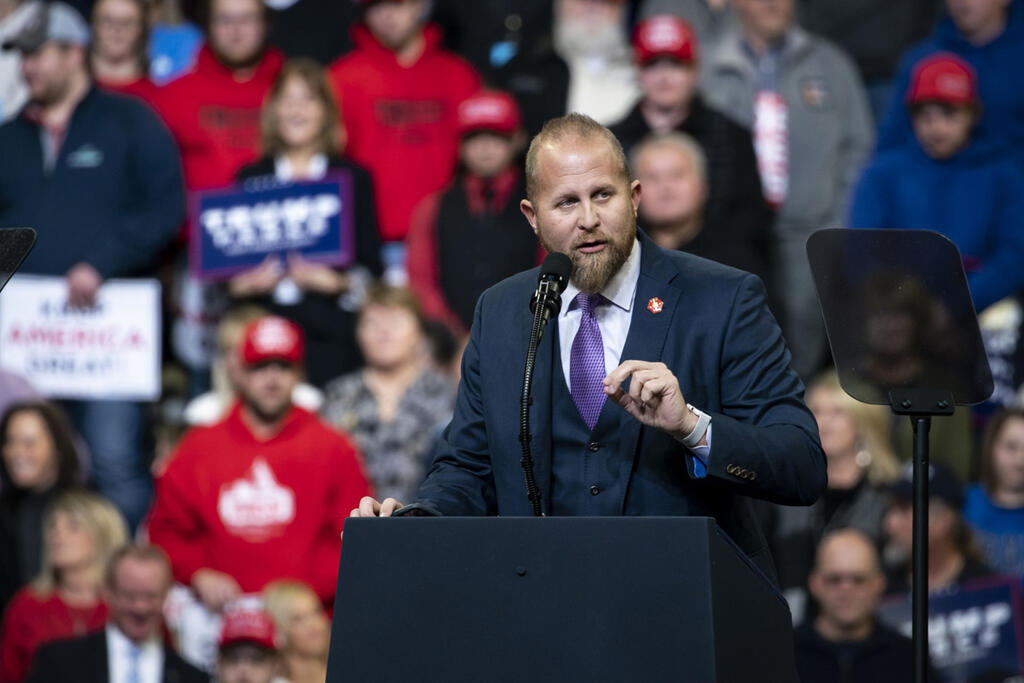
At the center of the effort is Brad Parscale, the digital strategist who helped run Trump’s 2016 presidential campaign. According to Time magazine, Israel paid Parscale about $1.5 million per month as part of the initiative. The Journal reported that the broader government-funded contract exceeds $45 million.
The campaign has included AI-generated messaging, websites promoting pro-Israel content, digital advertising and efforts to influence how artificial intelligence systems such as ChatGPT and Claude respond to questions about Israel.
Parscale has said one goal is to identify the biggest concerns people have about Israel and respond to them, while reporting those reactions back to Israeli officials.
Israel’s efforts have expanded beyond a single contractor.
Over the past year, Israel has hired at least six companies to assist with public influence efforts in the United States, while dozens of people, many of them marketing professionals, have registered as foreign agents working on behalf of Israel.
Nick Cleveland-Stout, a foreign influence researcher at the Quincy Institute for Responsible Statecraft, said Israel is on track to spend more on publicly known influence efforts in the United States than any other foreign government.
One of the most controversial parts of the campaign involves Parscale’s ties to Salem Media, a conservative media company where he serves as chief strategy officer.
According to the Journal, Parscale’s original contract with Israel included “integrating narrative messages into Salem Media assets and aligned distribution channels.”
The arrangement drew criticism from Steve Bannon, Trump’s former chief strategist, who questioned how a major conservative media network could be connected to a foreign agent.
Salem and Parscale denied that hosts were paid to promote specific messages about Israel. Salem CEO David Santrella said the company’s hosts built their reputations by expressing their own views and were not reading scripts provided by outside groups.
The company said the funding included more than $500,000 in online advertising.
The “Friends for Peace” campaign illustrates how artificial intelligence is changing the mechanics of influence campaigns.
The messages were managed by Sparkfire, a company that promotes AI-based text conversations as a way to conduct more effective outreach. By mid-May, the company had received $6.5 million for the project.
A Sparkfire spokesperson said human employees remained involved throughout the process and communicated directly with recipients.
Israel’s allies argue that such efforts are necessary to counter campaigns by Iran and pro-Palestinian groups.
But critics say the scale and technology behind the campaign raise broader questions about foreign influence in American politics.
The effort also comes as governments around the world increasingly compete over control of narratives online.
Israel’s Foreign Minister Gideon Sa’ar said last year that the country had allocated more than $700 million in its 2026 budget to expand efforts to “shape consciousness” and improve its international image.
The growing use of artificial intelligence adds a new dimension to that competition.
Instead of relying only on traditional lobbying, advertising or public relations, governments can now deploy automated conversations, AI-generated content and digital targeting tools at unprecedented scale.



