










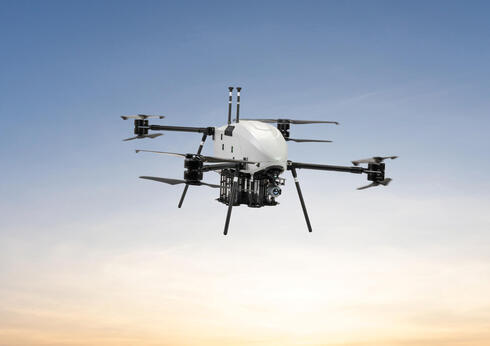
Elbit unveils FUSE to coordinate swarms of autonomous systems on the battlefield
The new operation brings together AI, drones and unmanned ground vehicles under a system designed to coordinate large numbers of platforms in real time, including in GPS-denied environments. The company says its systems are already deployed with customers in Israel, the U.S. and Europe.
Elbit Systems is bringing together a range of autonomous weapons and unmanned platforms under a new operation called FUSE, as militaries increasingly look beyond individual drones and vehicles toward the challenge of coordinating large numbers of autonomous systems on the battlefield.
FUSE, which operates as part of Elbit’s C4I & Cyber division, unveiled its portfolio on Wednesday, including an AI-based operating system called Dominion-X that is designed to coordinate aerial and ground systems in real time. The company says the system can operate in environments where satellite navigation is unavailable or disrupted and can allow multiple autonomous platforms to share mission data through a common network.
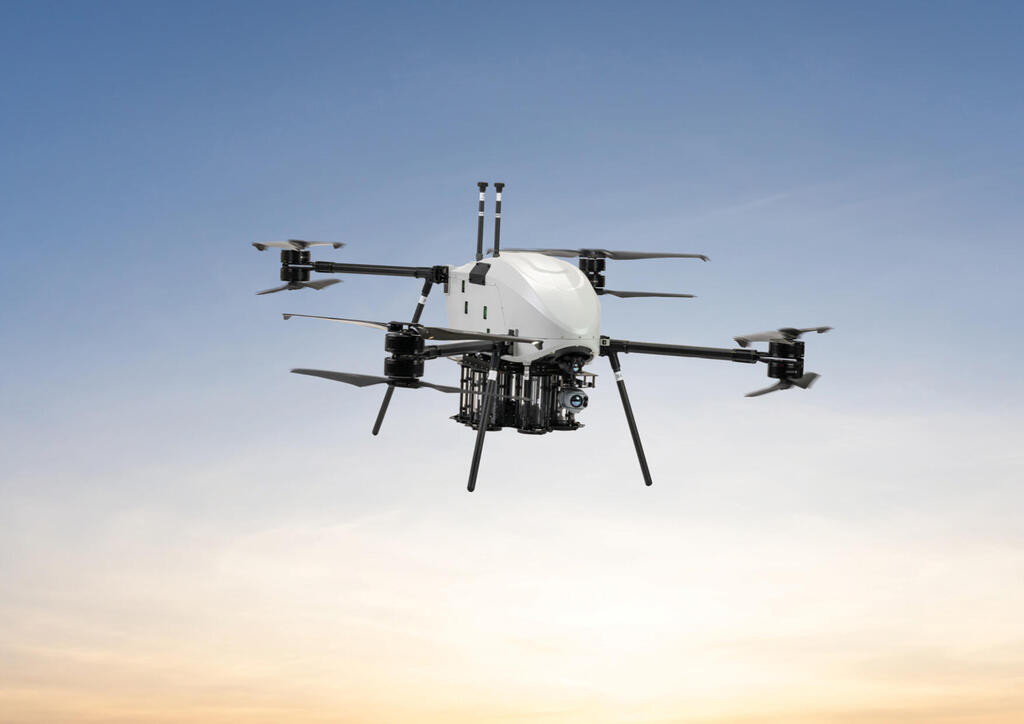
The significance of the move lies less in the introduction of another autonomous platform than in the attempt to manage many of them as a single operational force. Instead of requiring an operator to control individual unmanned vehicles, FUSE is designed around what Elbit calls “One2Many” operations, in which centralized systems coordinate distributed aerial and ground formations.
That approach reflects a broader shift in military technology toward increasing the number of machines operating alongside human forces while reducing the amount of direct human control required for each platform. FUSE says its systems are intended to work alongside maneuvering forces and crewed platforms and to be integrated into existing military command structures.
The company is not presenting the technology as an entirely new battlefield experiment. According to Elbit, systems included in the FUSE portfolio have accumulated more than 1 million operational flight hours and more than 100,000 hours of autonomous ground operations. Thousands of drones and hundreds of unmanned ground platforms have already been delivered to customers worldwide, the company said.
FUSE’s systems are currently deployed with customers in Israel, the United States and Europe, according to Elbit, where they are being used in operational missions and military modernization programs.
At the center of the new portfolio is Dominion-X, which Elbit describes as a unified operating system for autonomous operations. It incorporates automatic target recognition and homing capabilities and is designed to coordinate aerial and ground platforms while exchanging mission data between them.
The system is also intended to function in contested and GPS-denied environments, an increasingly important requirement for military forces operating against adversaries capable of disrupting satellite navigation and communications.
The company says FUSE can also be used to add autonomous capabilities to existing tactical assets, unmanned systems and combat vehicles rather than requiring militaries to replace their existing fleets. That includes autonomy kits designed for both unmanned ground vehicles and manned platforms, as well as teleoperation and enhanced visual positioning capabilities.
The portfolio spans a wide range of missions. It includes tactical drone swarms for reconnaissance and strike operations, unmanned ground vehicles and one-way attack drones for urban combat, autonomous systems for border protection and unmanned aircraft designed for reconnaissance, surveillance, target acquisition, communications relay, electronic warfare support and resupply.
Another component is what Elbit calls an “armored wingman” concept, in which unmanned ground and airborne systems operate alongside, or are deployed from, manned armored platforms.
The underlying idea is to make autonomy part of existing military formations rather than treat unmanned systems as separate capabilities. FUSE says this could allow forces to increase the number of systems operating at the front, shorten the time between detecting a target and engaging it, and reduce the exposure of personnel.



