










Manchester City’s financial case could reshape the future of European football
The club has appealed findings that it used sham sponsorship contracts to inflate revenue and circumvent spending limits. The eventual sanctions could set a precedent for financial regulation across the sport.
Manchester City’s financial and legal crisis is more than an accounting dispute over alleged spending-rule violations. The case has become a defining test of the Premier League’s ability to enforce its rules against one of the world’s richest football clubs, with implications for competitive fairness, the credibility of sporting regulators and Britain’s economic relationship with Abu Dhabi.
An independent commission appointed by the Premier League found Manchester City guilty of serious breaches of financial regulations over nine seasons, from 2009-10 to 2017-18. In a 40-page ruling published in September 2026, the commission concluded that the club had used sham sponsorship arrangements to inflate revenue and understate costs, while also finding that City had breached its duty to cooperate with the league’s investigation. The club denies wrongdoing and has appealed the findings.
At the heart of the case is the question of how Manchester City financed its rapid rise. According to the commission’s findings, as reported by The Guardian, the club recorded £949.94 million in sponsorship revenue from Abu Dhabi-based partners over the nine-season period. Of that amount, only £119.25 million was paid by the sponsors as genuine base fees. The remaining £830.69 million came from Abu Dhabi United Group (ADUG), the investment vehicle associated with club owner Sheikh Mansour.
The commission found that this funding was disguised as commercial sponsorship revenue, artificially strengthening the club’s finances and helping it circumvent spending limits. The amounts increased over time, from £22.5 million in the 2009-10 season to £134.73 million in 2017-18, when the sum accounted for an estimated 30% of the club’s revenue.
The commission also found that more than £15 million in payments to employees and senior figures, including former manager Roberto Mancini and former player Yaya Touré, had been made through external consultancy arrangements rather than being properly reflected in their employment agreements. It also examined an arrangement involving the sale of players’ image rights to an entity that the commission found was effectively a front for the owner’s investment group.
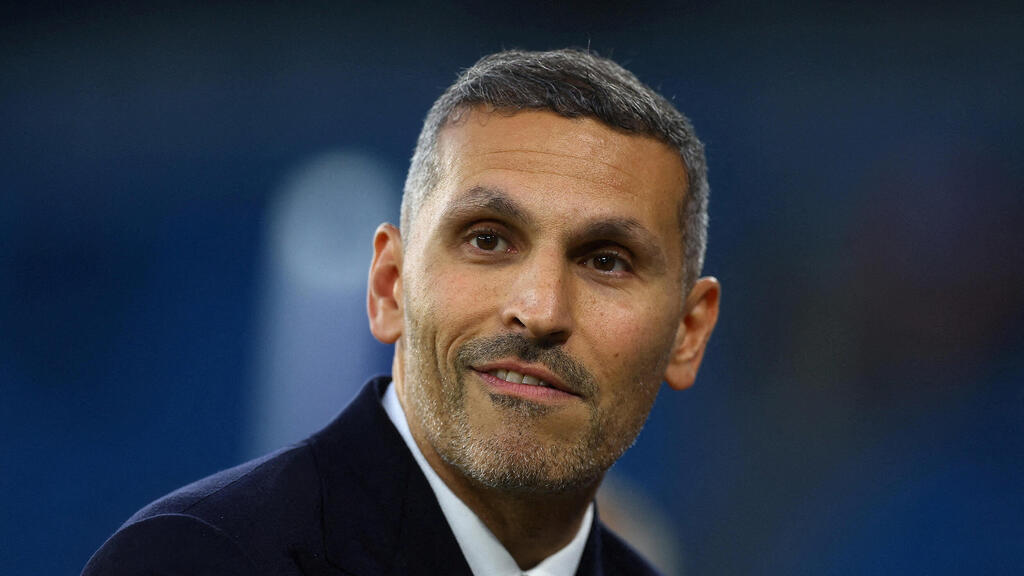
At the center of the club’s ownership structure is chairman Khaldoon Al Mubarak, a senior Abu Dhabi figure with extensive connections in global business and finance. Sheikh Mansour, the club’s owner, is a member of the UAE’s ruling family. Their roles have made the case about more than football finance, drawing attention to the relationship between the club’s ownership and Abu Dhabi’s wider economic and political influence.
According to reports, Manchester City also held confidential discussions with the Premier League about resolving the dispute before the commission’s findings were published. The club was reported to have offered a substantial financial penalty in exchange for avoiding sporting sanctions, including possible relegation or the stripping of titles. Those discussions did not produce a settlement. The precise terms and circumstances of the reported proposal should be distinguished from the commission’s formal findings.
The club’s conduct during the investigation was another central issue. The commission found that City had repeatedly failed to cooperate with the Premier League and that three of the four alleged breaches of its cooperation obligations had been established. It also found that key witnesses provided by the club had given knowingly dishonest evidence.
City has rejected the ruling. In a video message to staff, CEO Ferran Soriano described the Premier League’s case as a “conspiracy theory,” according to reports. The club has argued that the commission’s decision contains serious errors of law, principle and fact, and has lodged an appeal.
Premier League CEO Richard Masters has described the case as one of the most significant disciplinary matters in the league’s history. The league’s findings have also prompted broader questions about how quickly and effectively football authorities can enforce financial rules against powerful clubs.
The scale of the potential sanctions has made the case an ongoing concern for the Premier League and European football. Possible penalties could include a substantial points deduction, relegation, financial sanctions or other sporting measures. The commission has not yet determined the final punishment, and the outcome of City’s appeal could change the findings on which any sanction would be based.
The uncertainty raises difficult questions about the integrity of competitions in which City continues to participate. If a club wins a league title or cup and is subsequently penalized, the consequences could extend beyond its own results to the credibility of the competition and the standing of its rivals.
In a column for The Guardian, commentator Jonathan Wilson described the case as casting a shadow over the league, with City’s achievements now being viewed by some through the lens of the unresolved allegations and findings. The range of possible sanctions, from major points deductions to expulsion, underscores the seriousness of the dispute. But the eventual outcome remains a matter for the legal process, rather than a settled conclusion.
City lodged its appeal on October 1, 2026. The appeal is subject to a timetable intended to bring the process to a conclusion within weeks of the hearing, although the precise date of a final decision should not be treated as certain. A separate process is expected to determine any sporting sanctions, meaning that the case may not be fully resolved when the appeal ruling is delivered.
A test for European football’s financial rules
The dispute also has implications beyond England. For years, European football has been divided over how tightly clubs should be regulated and how to balance financial sustainability with the ability of wealthy owners to invest. Supporters of strict spending controls argue that they protect competitive balance and prevent clubs from gaining an unfair advantage through funding that would not be available to rivals. Others have warned that restrictive rules can entrench the position of established clubs and limit investment.
The Manchester City case has become a test of whether those rules can be enforced consistently. If the findings are upheld but the eventual punishment is limited to a fine, critics may argue that the system has failed to deter wealthy clubs from circumventing financial controls. If severe sporting sanctions are imposed, the decision could establish a precedent with consequences for clubs across Europe.
The case also recalls UEFA’s earlier financial dispute with City. In 2020, the Court of Arbitration for Sport overturned a two-year European competition ban imposed by UEFA, while upholding a fine for failing to cooperate with the investigation. The current Premier League proceedings are separate, and their outcome will depend on the commission’s findings and the appeal process now underway.
The fallout is not limited to the disciplinary proceedings. Rival clubs and supporters have long argued that financial-rule breaches can distort competition by allowing a team to spend more on players and wages than it otherwise could. The latest findings have intensified those concerns, while also raising the prospect of further legal disputes and compensation claims.
The extent of any civil claims, the clubs that might bring them and the legal basis for compensation remain uncertain. Any such cases would have to establish that the relevant parties suffered losses and that those losses were legally attributable to the conduct in question.
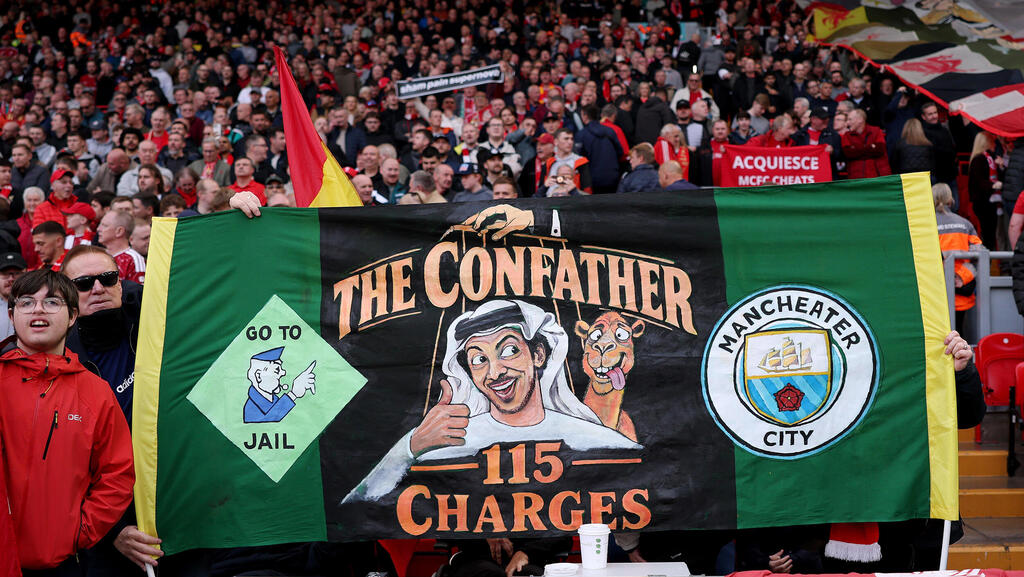
The controversy has also sharpened the divide among fans. At matches, some supporters have expressed their anger through chants and banners mocking City, while former players have questioned whether retrospective changes to titles could ever repair the damage that critics believe has been done. Such reactions reflect the wider debate over what accountability should look like if the findings are ultimately upheld.
Beyond the sporting consequences lies a broader question about the relationship between football and geopolitical influence. Manchester City’s ownership connects the club to Abu Dhabi, while the UK and the UAE maintain extensive commercial ties. The club has become one of the most visible elements of Abu Dhabi’s investment in global sport, making the case a reputational test as well as a legal one.
Al Mubarak, who has helped oversee City’s transformation into a global football power, faces scrutiny as the commission’s findings challenge the club’s account of how it financed that rise. The dispute has also renewed debate about the use of sport to build international influence and whether football regulators can remain insulated from the political and economic interests surrounding major clubs.
As The Guardian’s Jonathan Liew has argued, the case illustrates the tension between the global interests attached to elite football and the authority of the institutions that govern it. But the broader implications will depend on what happens next: whether the appeal changes the findings, what sanctions are ultimately imposed and how consistently regulators apply the rules in future cases.
Manchester City’s case is therefore a test not only of the club’s financial practices, but of the Premier League’s ability to hold its most powerful members to account. The final judgment will help determine whether financial rules can meaningfully constrain the power of wealthy owners, or whether their enforcement remains vulnerable to the resources and influence of the clubs they are meant to govern.



