










Israel’s defense firms face new restrictions at major French arms show
Israeli companies at Euronaval will be limited to displaying air defense and missile interception systems, while Israeli government officials have been barred from attending.
The diplomatic crisis between Israel and France is once again affecting the Israeli defense industry. Israeli companies planning to participate in the Euronaval naval defense exhibition, which opens next week near Paris, will be allowed to display only air defense and missile interception systems.
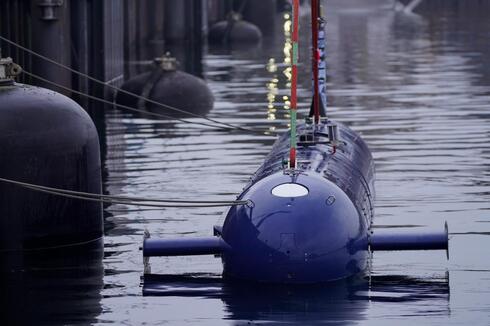
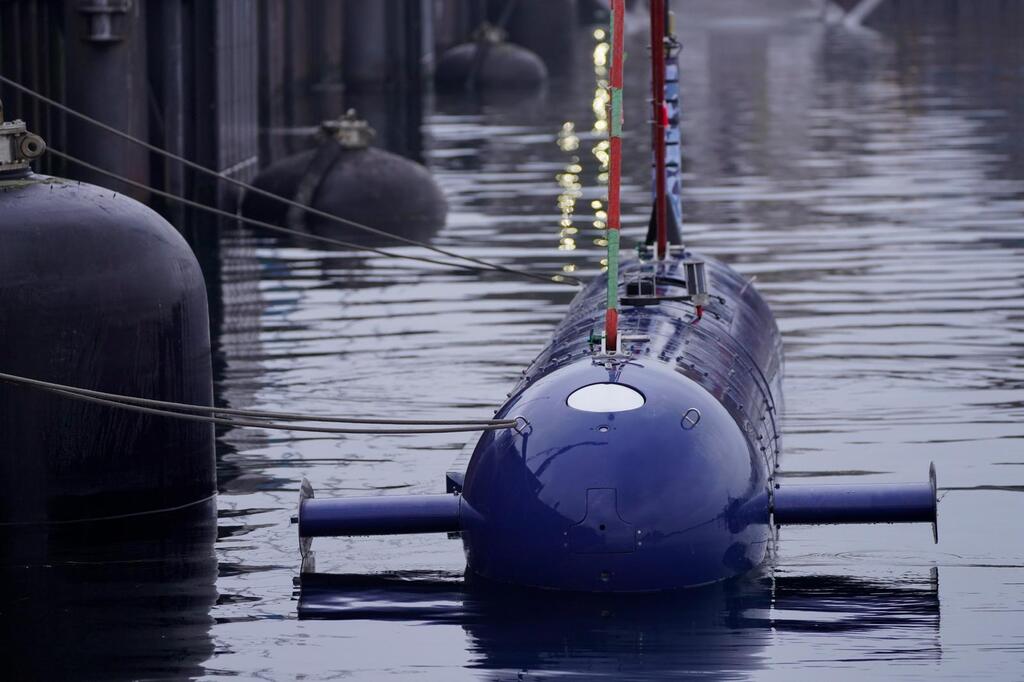
Held every two years, Euronaval is one of the world’s largest naval defense exhibitions. Around 70 companies are expected to present their products and technologies, most of which are designed for maritime warfare. Israeli participants are expected to include Elbit Systems, Orbit and Israel Aerospace Industries (IAI).
In addition to barring Israeli companies from displaying offensive systems, French authorities have prohibited official Israeli government representatives, including officials from the Ministry of Defense, from attending the exhibition. A defense official criticized the decision, telling Calcalist: “This is a cowardly and unsurprising move by the French, intended to stifle competition with French industries based on cynical commercial considerations.”
Two years ago, French authorities blocked Israeli companies from participating in Euronaval altogether. Israel Shipyards, the Manufacturers Association of Israel and the Israel-France Chamber of Commerce subsequently petitioned a commercial court in Paris, arguing that the exclusion violated European Union free-market principles. The court granted the petition shortly before the exhibition opened, leaving most Israeli companies too little time to set up their pavilions.
Since the outbreak of the war on October 7, 2023, French authorities have repeatedly restricted Israeli companies’ participation in major arms exhibitions held in and around Paris, including the Paris Air Show at Le Bourget and Eurosatory, a land defense and security exhibition.
The latest restrictions come amid an increasingly bitter dispute between Jerusalem and Paris over Israel’s military campaign in Gaza. French President Emmanuel Macron and his government have sharply criticized Israel’s actions. France, together with the United Kingdom and Canada, has also spearheaded an initiative to impose economic measures on Israel. The three countries have announced plans to pursue restrictions on trade with Israeli settlements as part of a broader initiative involving 12 countries.
The United Kingdom has separately announced a ban on imports of products from the settlements, further straining relations with Israel. Earlier this month, cargo handlers refused to load an Elbit Systems defense shipment onto an El Al flight scheduled to depart Paris for Tel Aviv.
In March, Ministry of Defense Director-General Amir Baram responded to French measures against Israel by ordering restrictions on defense procurement from French companies and a reduction in business dealings with them.
Israeli defense officials and industry representatives have argued that the French restrictions are driven primarily by commercial considerations, particularly a desire to weaken the competitive position of Israeli manufacturers against their French rivals. They contend that measures presented as a response to Israel’s policies toward Palestinians are also serving to protect France’s domestic defense industry.