










Bank of Israel buys $800 million in FX intervention as shekel volatility intensifies
Central bank steps into currency markets while insisting it is not targeting a specific exchange rate.
The Bank of Israel intervened in foreign exchange trading and purchased approximately $800 million in May, according to the bank’s monthly report on its foreign exchange reserves. The Bank of Israel clarified that the purchases “were made on an ad hoc basis, in order to maintain the orderly functioning of the markets.” This statement appears intended to reinforce the message that the central bank is not intervening to target a specific exchange rate.
The Bank currently refuses to provide details on the exact dates of its interventions. However, it emphasizes that the actions were taken in response to unusual and irregular market activity it identified, rather than with the intention of influencing the exchange rate.
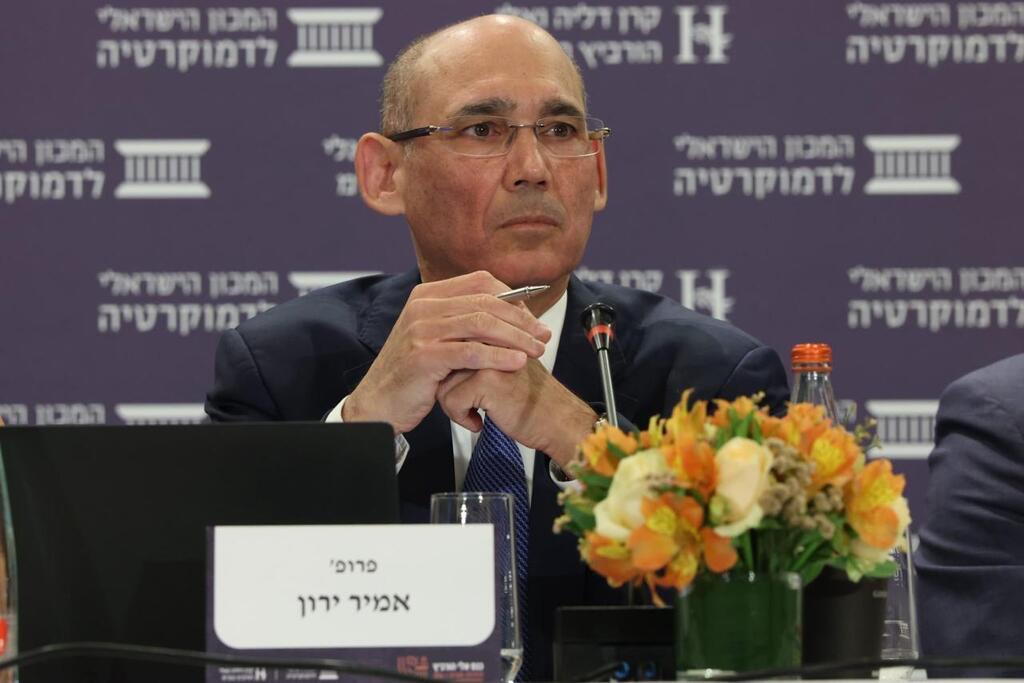
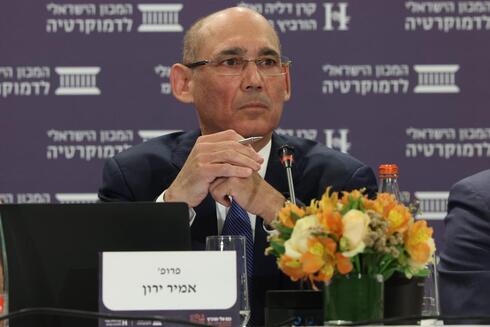
The Bank of Israel’s public stance on the strong shekel has been mixed in recent weeks. On the one hand, the governor has delivered defensive remarks, stressing that exchange rate levels are not outside historical norms and are not the bank’s direct responsibility. On the other hand, the Bank has lowered interest rates, the governor has signaled the possibility of further cuts, and it has now emerged that the bank also purchased dollars during May.
Total foreign exchange reserves stood at $238 billion at the end of May, an increase of $3 billion compared with the end of the previous month. The reserves amount to 37.2% of GDP. The increase reflects both the Bank’s foreign currency purchases and valuation gains on its existing reserve assets.



