










Iron Dome goes global as US Marines deploy Israeli interceptor in Pacific
The successful test of the MRIC system in Guam marks a new chapter for Israel’s Tamir missile, which is moving from defending Israeli cities to protecting American forces in future conflicts.
The successful test of a new US Marine Corps air defense system built around Israel’s Tamir interceptor marks a major step in the international expansion of Iron Dome technology. The mobile system is designed to fill a gap between short-range weapons and larger missile shields as militaries prepare for a new era of drone and missile warfare.
The US Marine Corps has successfully tested a new mobile air defense system built around technology from Israel’s Iron Dome.
1 View gallery
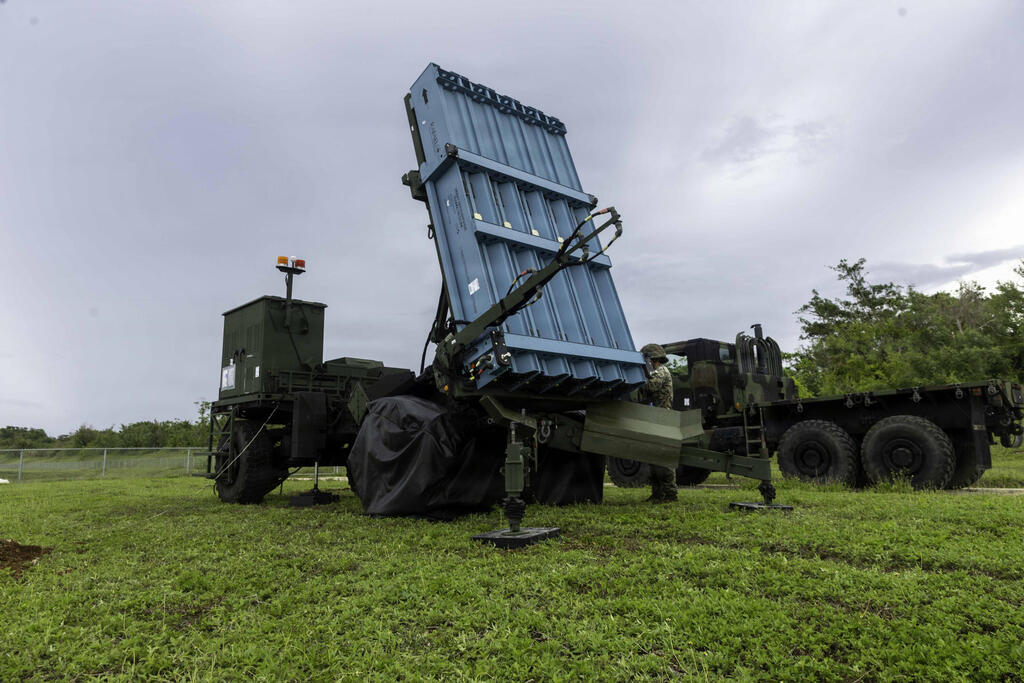
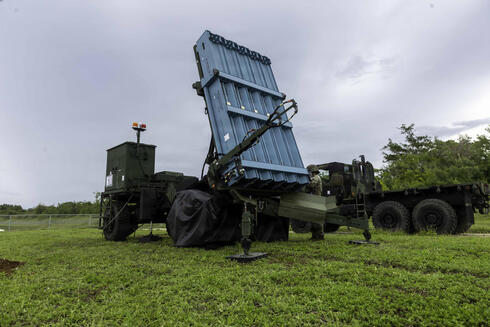
U.S. Marines with III Marine Expeditionary Force evaluate equipment readiness on the Medium-Range Intercept Capability system on Mason Range, Guam.
(U.S. Marine Corps photo by Lance. Cpl Benjamin Catindig)
During the Valiant Shield 2026 military exercise in Guam late last month, Marines fired the Medium-Range Intercept Capability (MRIC), successfully destroying an aerial target in what the service described as a milestone for a next-generation capability designed for the Pacific theater.
While the MRIC is an American-led system, its core defensive element comes from Israel’s Iron Dome: the Tamir interceptor, developed by Rafael and adapted for the Marine Corps through a partnership with Raytheon.
The system combines several technologies from both countries. It uses an American radar system and command-and-control infrastructure, alongside Iron Dome-derived battle management technology, mobile launchers developed specifically for the Marines, and the Tamir interceptor itself.
“Before the MRIC, we were primarily a short-range air defense capability,” Maj. Emi Gutierrez, commander of the firing battery, said in a press release. The Marines had traditionally relied on the Stinger missile system for short-range threats, while longer-range protection came from the Army-operated Patriot system.
MRIC is intended to bridge that gap, giving Marine units their own mobile medium-range defense capability that can move with deployed forces rather than relying on separate Army assets.
“Our ability to rapidly insert and fill critical gaps within an integrated air defense system is critical not only to the Marine Corps but also to the joint force as a whole,” Gutierrez said.
The move represents another stage in the evolution of Iron Dome, which was originally developed to protect Israeli civilians from rockets and other short-range threats. Israel’s broader missile defense architecture now includes multiple layers, including Iron Dome, David’s Sling, and the Arrow 2 and Arrow 3 systems for higher-altitude ballistic missile threats.
The Guam exercise follows earlier testing of the system in Israel in October 2024, when the US Marines and Israeli Ministry of Defense conducted a series of trials of the MRIC prototype. During those tests, Marines operated the system independently, demonstrating the integration of the American radar and command-and-control systems with the Iron Dome-derived Tamir interceptor and the mobile launcher developed specifically for Marine Corps requirements.



