











Former Verbit CEO Tom Livne raises $172 million for new SPAC
Iron Dome Acquisition Corp targets cybersecurity, defense tech and AI companies.
Tom Livne, former founder and CEO of Verbit, has raised $172 million for a new SPAC. The company, called Iron Dome Acquisition Corp, will seek to merge with a cybersecurity, defense tech, or AI company. Its strategy will focus on businesses with significant revenue, strong double-digit growth, and a proven and expanding business model. According to the company, the SPAC has already identified a list of 150 potential target companies with annual revenues exceeding $100 million.
In addition to Livne, who serves as CEO and chairman of the SPAC, several senior figures from the Israeli tech industry are involved, including Eyal Waldman, Hagi Schwartz, managing partner at Insight Partners, and Amir Elichai, whose company Carbyne was recently acquired by the American defense-tech company Axon for $625 million in cash. Iron Dome Acquisition Corp is traded on Nasdaq under the ticker IDACU.
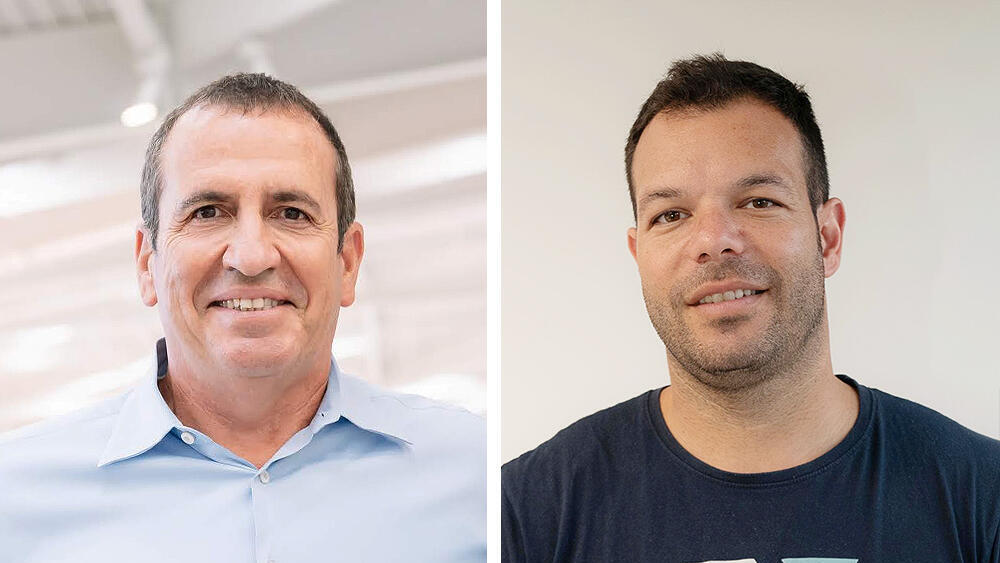
Following the completion of the fundraising, Livne said: “There is a rare window of opportunity today. Leading Israeli technology companies generate hundreds of millions of dollars in revenue, but an IPO on the American capital market now requires much higher numbers, more than half a billion dollars in revenue and annual growth of 30% or more. That makes the bar almost impossible for companies that in the past could have gone public with lower results.”
“The American capital market is looking for experienced leadership and a reliable platform, and we bring both,” he added. “Investors are no longer looking for presentations; they are looking for execution. We have built, sold, and listed companies before, so this is not theory - it is experience.”
Livne’s previous venture, however, did not culminate in a successful IPO or sale. Instead, Verbit, which specialized in AI-based transcription and translation services for the legal sector, struggled as generative AI rapidly disrupted the automated transcription market. Livne left the company in 2024 and has since focused on investments and the creation of new startups.
Founded in 2016, Verbit was at one point valued at $2 billion and raised approximately $600 million during its lifetime. But the rapid emergence of generative AI tools sharply intensified competition in the transcription market, weighing on the company’s growth.
SPACs became a popular route to public markets during the 2021 technology boom, but many companies that went public through such mergers later suffered steep declines as investors questioned their business models and growth projections. Israeli companies in the autonomous and electric vehicle sectors were among the most prominent examples, including Otonomo, which was sold in a distressed sale; REE Automotive, which now trades at a market value of roughly $12 million; and Innoviz, whose valuation has fallen sharply from its multibillion-dollar SPAC debut.
In recent months, SPAC activity has shown signs of recovery, particularly in sectors viewed as strategically important or technologically promising, including quantum computing and defense technology.



