









Anthropic wants to disrupt drug discovery. Industry experts say the real challenge comes later
The AI company is entering pharmaceuticals with ambitions to accelerate medicine development, but scientists argue the real challenge is proving drugs work in humans.
Is Anthropic on track to disrupt another established industry? The AI giant announced last week that it has begun an internal initiative focused on discovering new drugs using its advanced AI models. The company, which is preparing for a possible IPO in the coming months, is looking to enter and transform another major sector, much as it has challenged traditional software companies with its AI tools.
But industry executives believe Anthropic’s ability to fundamentally reshape drug development may be limited. “Drug discovery is a ‘lighter’ problem in the food chain of bringing a drug to market,” Dr. Noam Solomon, founder and CEO of Immunai, told Calcalist. “The harder problem is making drugs succeed in clinical trials. They are not solving that problem, and they do not have the relevant data needed to solve it.”
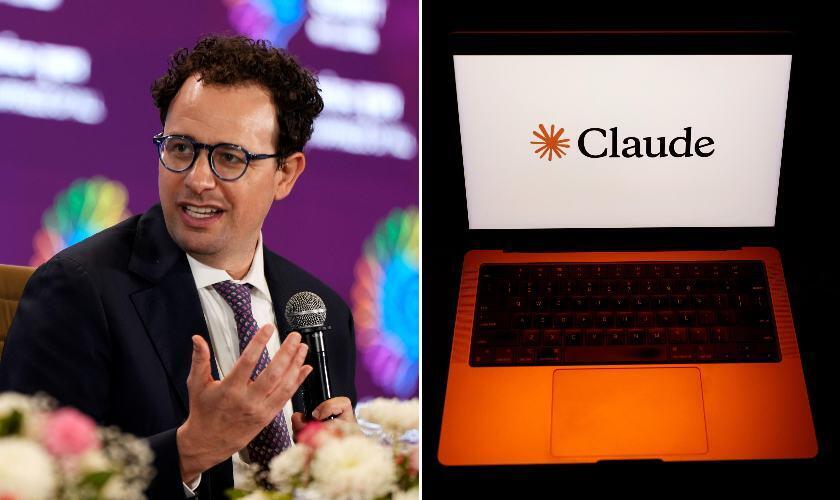
In recent months, Anthropic has shaken investor confidence in software companies across sectors including legal services, data analytics, sales, and marketing, as its AI models and cloud-based tools have raised questions about whether traditional software products can maintain their value. Analysts have warned, however, that some of the market reaction may have been excessive.
Now, the company is turning its attention to one of the world’s most complex and lucrative industries: pharmaceuticals.
At an event last week in San Francisco, Anthropic’s life sciences head Eric Kauderer-Abrams said the company had established an internal program that will use AI tools to help discover new drugs. He said the company would focus in part on “neglected” diseases, where traditional pharmaceutical companies have invested less because of limited commercial returns.
“We do this because we believe, first and foremost, that to build the right models, products and tools to accelerate the industry, we have to live alongside it,” Kauderer-Abrams said, according to CNBC. “We believe in the power of tight feedback loops, and that there is no substitute for your own experience, getting in the trenches with everyone, when trying to develop medicines.”
In a statement on its website, Anthropic added that “AI has the potential to dramatically accelerate the pace of scientific discovery and the development of healthcare interventions.”
Anthropic is entering a field that has already attracted major technology companies. OpenAI, Google, Amazon, and others are developing life sciences tools and forming partnerships with researchers and pharmaceutical companies. Google DeepMind established Isomorphic Labs about five years ago to apply its AlphaFold protein-structure technology to drug discovery. Pharmaceutical companies themselves are also developing or acquiring AI capabilities.
Anthropic’s ambition is to use its AI models to accelerate the earliest stages of drug development. But experts argue that the biggest obstacle comes later, when potential drugs must prove they are safe and effective in humans.
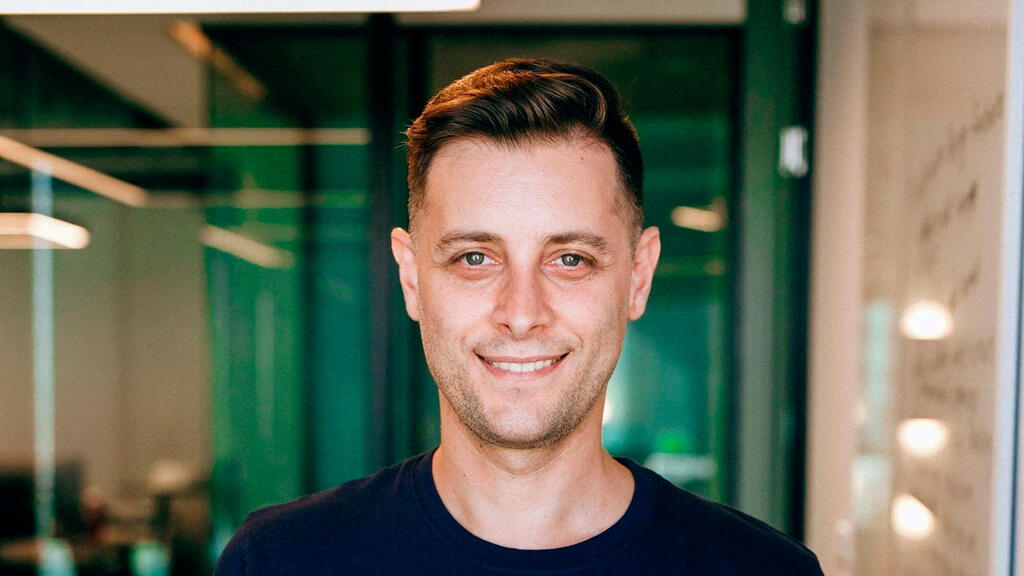
“Drug development begins with initial research, the discovery process,” Solomon explained. “This is the stage where you identify a new biological target, then validate it over several years. You test it in laboratories, in petri dishes, in various models, then in mice and eventually even in monkeys. Only after this entire process is completed do you receive FDA approval to begin clinical development.”
“From that point onward, it takes an average of about a decade for a drug to receive FDA approval,” he added. “The cost is around $2.7 billion, and more than 90% of clinical trials fail.”
According to Solomon, Anthropic’s announcement addresses only the first stage of the process: identifying new biological targets or molecules. “It does not address the process that takes a decade, costs billions, and is most likely to fail. That is the expensive and painful part, and it is the part pharmaceutical companies are trying to solve.”
He argues that discovering potential drugs may attract more attention, but clinical development remains the industry’s central challenge.
“Anthropic is simply doing what DeepMind did a year ago,” Solomon said. “It is saying: ‘This problem is relatively solved, we can do this as well as DeepMind, so let’s move into this area.’”
He acknowledged that Anthropic’s financial resources give it the ability to launch a major drug discovery effort. “They have a sea of money and an enormous fundraising ability, so they can create a drug discovery incubator. They may discover many new drugs. But then they will face the same question everyone faces: How do you make them succeed in clinical trials?”
That challenge involves a wide range of unanswered questions, he said: determining the right dosage, identifying which patients should receive a treatment, selecting the right combinations of drugs, and understanding which diseases a drug is best suited to treat.
Solomon also warned that accelerating early-stage discovery could create a new bottleneck by flooding the industry with potential drug candidates.
“There will be many more new drugs in the preclinical and discovery stages, and that will make the problem of deciding which drugs are worth investing in more difficult because there will be so many candidates,” he said.
In his view, the biggest limitation facing companies such as Anthropic and OpenAI is access to clinical data.
“The data that enables drug discovery, information about proteins, molecules, and chemistry, is relatively static data that you receive once and can use extensively,” Solomon said. “But the data needed to understand how to help a new drug succeed in clinical trials is patient-centered. It comes from biological tests, blood tests, biopsies, medical records, and long-term datasets that track patients over time.”
Those datasets, he said, are largely unavailable to AI companies and remain concentrated among pharmaceutical companies and healthcare providers.
“In the last three years, Immunai has built such a dataset,” Solomon said. “We have collected 50,000 samples, we are signing agreements with hospitals, and we expect to reach one million samples within another four to five years. This is data that Anthropic and OpenAI do not have and will not have unless pharmaceutical companies provide access to it or purchase it.”
Solomon believes Anthropic’s approach could make partnerships with pharmaceutical companies more difficult.
“There is no way drug companies will work with someone who tells them: ‘We have the most powerful discovery tools that will compete with your drugs,’” he said. “We do not compete with pharmaceutical companies; we are their partners.”
“We receive data from them and from hospitals we work with, and we build a database that can genuinely improve drug development,” he added.



