










An Iranian missile destroyed their old building just before demolition. Now the renewal project can finally begin
The residents of 16 Louis Marshall Street had waited years for their TAMA 38 project. After the building was damaged in the war, conflicting instructions from different authorities threatened to create a new bureaucratic obstacle.
A demolition ceremony is a particularly emotional occasion for residents of an urban renewal project. It marks the beginning of a new chapter: a project they have worked on for years is finally coming to fruition and is expected to transform their lives.
The 11 apartment owners in the building at 16 Louis Marshall Street in Tel Aviv were preparing for exactly such a ceremony. The project's permit had already been granted after years of bureaucracy, and they were about to schedule the demolition. But then, one morning, everything changed.
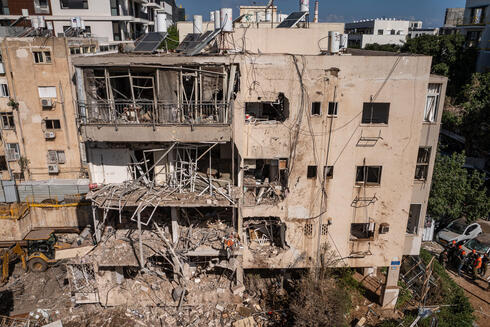
On March 24, 2026, during Operation Roaring Lion, a missile struck a nearby building and severely damaged the property at 16 Louis Marshall Street. None of the residents were injured, but the building was left in such serious condition that it became uninhabitable. The residents were evacuated to hotels and never returned to live there.
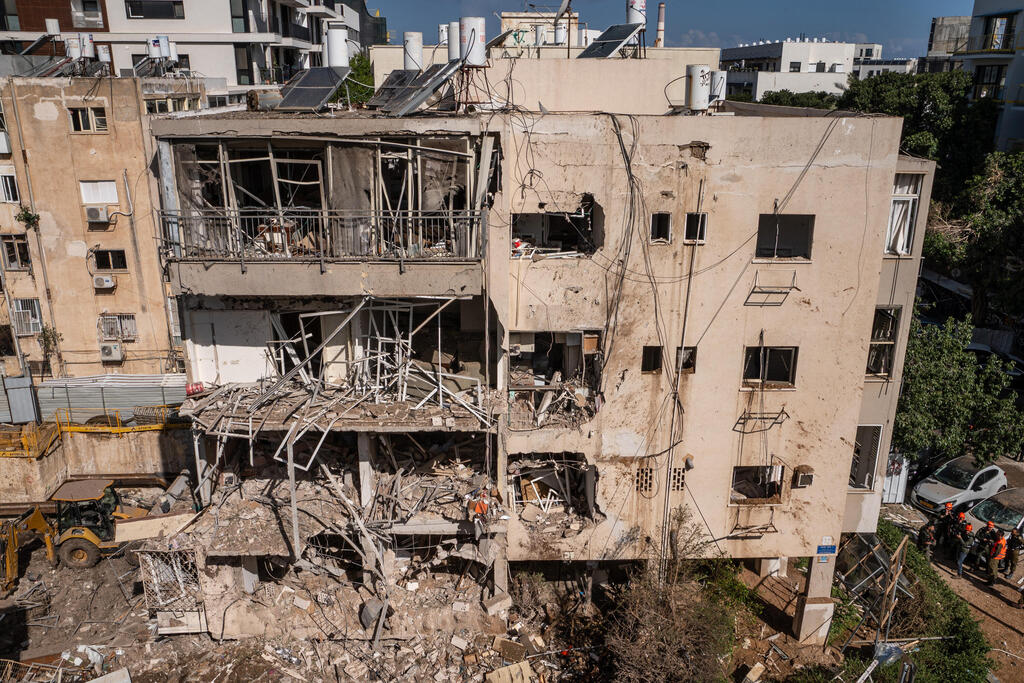
The building at 16 Louis Marshall Street was one of four buildings containing a total of 54 apartments that were included in a TAMA 38/2 urban renewal project. The TAMA agreement was signed in July 2019, and a building permit for the construction of 86 new housing units was issued in June 2024. The project was initially promoted by White City Buildings and later by Ofer Investments. Under the project, the apartment owners are expected to receive an additional 9 to 14 square meters per apartment, as well as a balcony, parking and storage.
While No. 16 was severely damaged, the other three buildings included in the project, 10, 12 and 14 Louis Marshall Street, sustained damage from the missile strike but were repaired, allowing their residents to return. The damage to No. 16, however, came just as the project was approaching its final stages, creating confusion and raising concerns about whether the project itself could be delayed or disrupted.
"The project received its permits in 2024, but we were also waiting for permits for buildings 10 and 12, which joined the project later. At the time of the missile strike, we were in the final stages of completing the bank financing agreements and signing the documents," said attorney Einat Shaked, managing partner of Yahav & Co., who represents the apartment owners together with attorney Noam Achrek.
"When the missile hit the building, the obvious assumption was that it would be demolished. But then we discovered that, from the Tel Aviv Municipality's perspective, the building was classified as one intended for renovation, even though we already had a permit for its demolition and reconstruction."
The classification exposed a gap between the state's compensation mechanisms for war damage and the complex reality of urban renewal projects. It forced Shaked and the apartment owners to develop a legal and tax framework with the Tax Authority and other government authorities to preserve the owners' rights and ensure that they could receive the compensation to which they were entitled.
"We understood that there was a problem and that one authority did not know what was happening with the other," Shaked said. "Some of the apartment owners told us they had filed claims with the Tax Authority and had been approved to renovate their apartments. This happened out of the blue because none of the tenants had received an eviction notice, and the instructions were confusing. It created a lot of confusion and chaos. On the one hand, they were told, 'You have a violation and this is the process.' On the other hand, we were telling them to stop."
Immediately afterward, the lawyers, the developer and representatives of the building met with Tax Authority officials and representatives of the Tel Aviv Municipality.
"In the first stage, it was important to cancel the renovation permits that had already been issued by the Tax Authority. One of the apartment owners had already received money from the Tax Authority. I told them: Why are you renovating now? They're going to vacate the building soon anyway, and it is going to be demolished. This is a major renovation."
The Tax Authority subsequently froze all renovation permits for the building, while the lawyers issued urgent notices to all the apartment owners instructing them not to submit additional compensation claims that could conflict with the urban renewal project.
Once all the building's residents had been evacuated, another obstacle emerged: a potential gap between the state's rental payments to the displaced residents and the developer's obligation to pay their rent once the urban renewal project formally began.
Under the original arrangements, there was a risk that the state would stop covering the residents' accommodation costs before the developer was required to begin doing so.
"We had to work quickly. The project was our top priority, and every morning we started with a work meeting designed to move it forward," Shaked said. "In order to create an overlap between the two payment periods, we reduced the eviction notice period from 90 days to 45 days. It required a lot of work with the bank and the developer, but it worked."
According to Shaked, the missile strike and the resulting legal complications ultimately did not delay the project and may even have accelerated it.
"Now we are waiting for the demolition ceremony for the remaining buildings, which will probably take place in October, and immediately afterward the project will begin," she said.
ready been granted after years of bureaucracy, and they were about to schedule the demolition. But then, one morning, everything changed.
On March 24, 2026, during Operation Roaring Lion, a missile struck a nearby building and severely damaged the property at 16 Louis Marshall Street. None of the residents were injured, but the building was left in such serious condition that it became uninhabitable. The residents were evacuated to hotels and never returned to live there.
The building at 16 Louis Marshall Street was one of four buildings containing a total of 54 apartments that were included in a TAMA 38/2 urban renewal project. The TAMA agreement was signed in July 2019, and a building permit for the construction of 86 new housing units was issued in June 2024. The project was initially promoted by White City Buildings and later by Ofer Investments. Under the project, the apartment owners are expected to receive an additional 9 to 14 square meters per apartment, as well as a balcony, parking and storage.
While No. 16 was severely damaged, the other three buildings included in the project, 10, 12 and 14 Louis Marshall Street, sustained damage from the missile strike but were repaired, allowing their residents to return. The damage to No. 16, however, came just as the project was approaching its final stages, creating confusion and raising concerns about whether the project itself could be delayed or disrupted.
"The project received its permits in 2024, but we were also waiting for permits for buildings 10 and 12, which joined the project later. At the time of the missile strike, we were in the final stages of completing the bank financing agreements and signing the documents," said attorney Einat Shaked, managing partner of Yahav & Co., who represents the apartment owners together with attorney Noam Achrek.
"When the missile hit the building, the obvious assumption was that it would be demolished. But then we discovered that, from the Tel Aviv Municipality's perspective, the building was classified as one intended for renovation, even though we already had a permit for its demolition and reconstruction."
The classification exposed a gap between the state's compensation mechanisms for war damage and the complex reality of urban renewal projects. It forced Shaked and the apartment owners to develop a legal and tax framework with the Tax Authority and other government authorities to preserve the owners' rights and ensure that they could receive the compensation to which they were entitled.
"We understood that there was a problem and that one authority did not know what was happening with the other," Shaked said. "Some of the apartment owners told us they had filed claims with the Tax Authority and had been approved to renovate their apartments. This happened out of the blue because none of the tenants had received an eviction notice, and the instructions were confusing. It created a lot of confusion and chaos. On the one hand, they were told, 'You have a violation and this is the process.' On the other hand, we were telling them to stop."
Immediately afterward, the lawyers, the developer and representatives of the building met with Tax Authority officials and representatives of the Tel Aviv Municipality.
"In the first stage, it was important to cancel the renovation permits that had already been issued by the Tax Authority. One of the apartment owners had already received money from the Tax Authority. I told them: Why are you renovating now? They're going to vacate the building soon anyway, and it is going to be demolished. This is a major renovation."
The Tax Authority subsequently froze all renovation permits for the building, while the lawyers issued urgent notices to all the apartment owners instructing them not to submit additional compensation claims that could conflict with the urban renewal project.
Once all the building's residents had been evacuated, another obstacle emerged: a potential gap between the state's rental payments to the displaced residents and the developer's obligation to pay their rent once the urban renewal project formally began.
Under the original arrangements, there was a risk that the state would stop covering the residents' accommodation costs before the developer was required to begin doing so.
"We had to work quickly. The project was our top priority, and every morning we started with a work meeting designed to move it forward," Shaked said. "In order to create an overlap between the two payment periods, we reduced the eviction notice period from 90 days to 45 days. It required a lot of work with the bank and the developer, but it worked."
According to Shaked, the missile strike and the resulting legal complications ultimately did not delay the project and may even have accelerated it.
"Now we are waiting for the demolition ceremony for the remaining buildings, which will probably take place in October, and immediately afterward the project will begin," she said.



