









Hacked Tehran traffic cameras fed Israeli intelligence before strike on Khamenei
Financial Times reporting details years of covert surveillance that preceded the assassination.
Years before the air strike that killed Ayatollah Ali Khamenei, Israeli intelligence had been quietly mapping the daily rhythms of Tehran.
According to reporting by the Financial Times, nearly all of the Iranian capital’s traffic cameras had been hacked years earlier, their footage encrypted and transmitted to Israeli servers. One camera angle near Pasteur Street, close to Khamenei’s compound, allowed analysts to observe the routines of bodyguards and drivers: where they parked, when they arrived and whom they escorted.
That data was fed into complex algorithms that built what intelligence officials call a “pattern of life,” detailed profiles including addresses, work schedules and, crucially, which senior officials were being protected and transported. The surveillance stream was one of hundreds feeding Israel’s intelligence system, which combines signals interception from Unit 8200, human assets recruited by the Mossad and large-scale data analysis by military intelligence.
When US and Israeli intelligence determined that Khamenei would attend a Saturday morning meeting at his compound, the opportunity was judged unusually favorable. Two people familiar with the operation told the FT that US intelligence provided confirmation from a human source that the meeting was proceeding as planned, a level of certainty required for a target of such magnitude.
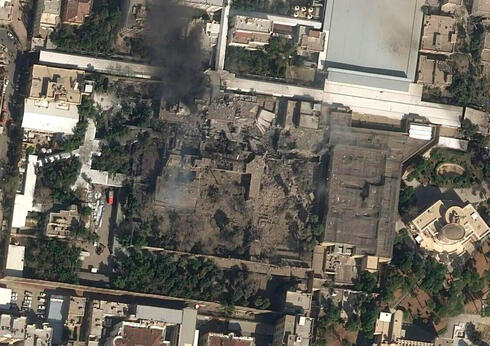
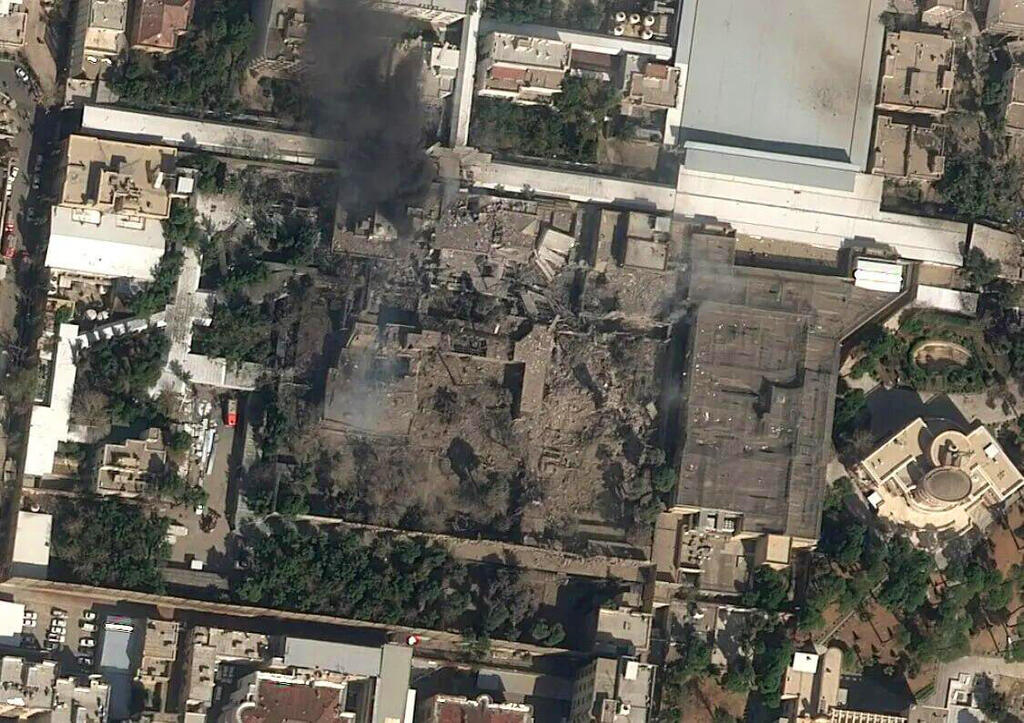
Israeli aircraft, reportedly airborne for hours, fired as many as 30 precision munitions. The strike was carried out in daylight, which the Israeli military said created tactical surprise despite heightened Iranian alertness.
The Financial Times reports that the assassination was a political decision as much as a technological feat. Even during last year’s 12-day war, when Israeli strikes killed more than a dozen Iranian nuclear scientists and senior military officials and disabled air defences through cyber operations and drones, Israel did not attempt to kill Khamenei.
The capability to do so, however, had been built over decades. Former Mossad official Sima Shine told the FT that Israel’s strategic focus on Iran dates back to a 2001 directive from then-prime minister Ariel Sharon instructing intelligence chief Meir Dagan to make the Islamic Republic the priority target.
What distinguishes the latest operation, according to the FT, is the scale of automation. Target tracking that once required painstaking visual confirmation has increasingly been handled by algorithm-driven systems parsing billions of data points. One person familiar with the process described it as an “assembly line with a single product: targets.”
The 86-year-old Khamenei had reportedly been in poor health, and for years there had been speculation in Iran and abroad about who would succeed him. In recent months, since Operation Rising Lion last June, reports indicated that he had been hiding in a bunker in Tehran with his family.
Israel said its opening strikes inside Tehran killed in addition several of Iran’s most senior military and defense officials, targeting a high-level leadership meeting and further dismantling the country’s security command structure. According to the Israeli military, the operation began with a surprise attack after military intelligence identified two locations in Tehran where top figures in Iran’s security establishment had gathered. The strikes, carried out early Saturday morning, were described as a deliberate attempt to eliminate senior decision-makers responsible for Iran’s military operations and weapons programs.
Among those Israel said were killed was Ali Shamkhani, a veteran commander who previously led Iran’s Revolutionary Guard naval forces and later served as head of the Iranian army. Shamkhani had remained a key figure in Iran’s leadership circle as a senior adviser to Khamenei. Israel said it had attempted to kill him during last June’s war and initially believed he had died at that time. Also killed was Mohammad Pakpour, identified by Israel as the commander of Iran’s Islamic Revolutionary Guard Corps. The Israeli military said Pakpour oversaw Iran’s missile and drone operations targeting Israel and directed support for Iranian proxy forces across the region. It also said he played a central role in suppressing recent domestic protests.



