










HR The Next Leap
Oasis: The swing to an employer’s market is real and “we've stopped getting into bidding wars”
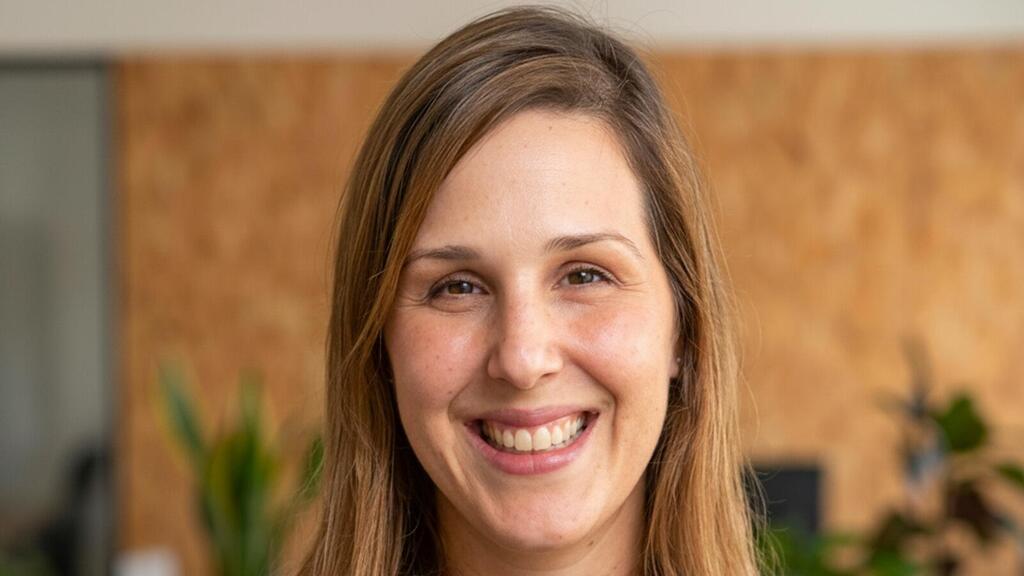
Yaeli Alev, HR Director at Oasis Security, explains why local tech professionals are choosing to stay and build in Israel and the importance of allowing teams to disconnect to prevent burnout, as part of CTech's HR: The Next Leap series.
This shift to an employer's market is real, according to Yaeli Alev, HR Director at Oasis Security, a cybersecurity company specializing in Agentic Access management. “A year ago, we would lose a great candidate because we took one extra day to decide. That's mostly gone,” she explains. While she contends that candidate leverage is still alive, it has fundamentally changed. “We've stopped getting into bidding wars. We've kept paying fairly for the people we actually want.”
From active and looming war threats, to AI rapidly and constantly redefining what it means to be productive, running a company in Startup Nation brings with it its own category of challenges and rewards. HR: The Next Leap takes a glimpse into the heart of Startup Nation via the HR professionals shaping its culture. We survey the executives whose jobs are more demanding and more vital than ever, as they heed the future-proofing of their workforce, while simultaneously ensuring business continuity and employee wellbeing during relentlessly unprecedented times.
Meanwhile, when it comes to the operational reality of maintaining business continuity under fire over the past few years, Alev admits, “it's become a skill we never wanted to develop, but here we are.” She notes that “reserve duty is one of the biggest ongoing challenges we're navigating.” She continues: “From an HR perspective, a big part of our focus is making sure employees feel supported through the uncertainty.”
You can read the entire interview below.
Company Name: Oasis Security
Sector: Cybersecurity
Founders: Danny Brickman and Amit Zimerman
Year of Founding: 2022
Investment stage: Series B
Total investment to date: $120M
Investors: Craft ventures, Cyberstarts, Sequoia and Accel
Current number of employees: 140 (global)
Open positions: 65 (global)
Website: https://www.oasis.security/
Social Media: LinkedIn
As of March 2026, the market officially shifted into an 'employer's market'. How have your screening criteria changed, and do candidates - including senior-level ones - still hold any leverage in negotiating salaries and terms?
The shift is real, and I won't sugarcoat it. We have more strong candidates than open roles right now, which means we can take our time and be more careful about who we bring in. A year ago, we would lose a great candidate because we took one extra day to decide. That's mostly gone. But leverage isn't dead, it's just different now. Senior people, the ones who've actually built and shipped real things, still negotiate well. They should. What's changed is the expectations. We've stopped getting into bidding wars. We've kept paying fairly for the people we actually want.
How have/are you managing operational continuity and recruitment while the economy navigates the emergency state triggered by the conflict with Iran? With the threat of escalation looming at any moment, how are you and have you been handling everything from interviews interrupted by sirens to managing teams thinned by massive, ongoing reserve duty?
Honestly, it's become a skill we never wanted to develop, but here we are.
Reserve duty is one of the biggest ongoing challenges we're navigating. At any given moment, some of our employees are away serving, whether in intelligence and technology units or in combat roles, sometimes for extended periods of time. As a company, we've had to build more resilience into the way we work: better documentation, clearer ownership, and stronger backup plans so that teams can continue moving forward while supporting those who are away.
From an HR perspective, a big part of our focus is making sure employees feel supported through the uncertainty. We try to stay flexible, communicate frequently, and recognize that people are balancing much more than work right now.
Interviews interrupted by sirens? Yes, that's become part of reality. We pause, make sure everyone is safe, and either continue or reschedule without hesitation. Those moments remind us that behind every candidate and every employee is a person dealing with the same challenges, and I think the way organizations respond during those moments says a lot about their culture.
Beyond the role of empowering employees, which roles has AI eliminated over the past year, what percentage of your workforce was reskilled to avoid being phased out, and how has this impacted entry-level hiring?
AI hasn't wiped out roles at Oasis the way some headlines say it has. What it's done is changed certain types of work. Things that used to need three people now need one person with the right tools. We invested heavily in making sure our people were ready for it. We ran internal training and gave teams real time to learn and experiment. The goal was never to replace people with AI. It was to make sure we have a strong team that knows how to use it in a way that can actually impact the business. We actually see an opportunity at the entry level. Young people who grow up with these tools have a real advantage. They come in already knowing how to work with AI, which means they can contribute faster and take on more meaningful work sooner. We've leaned into that.
Against the backdrop of the unstable security and political climate, are you seeing an increase in relocation requests or 'quiet quitting' by top-tier talent moving abroad, and what is the most proactive step you are taking to retain them in Israel?
Honestly, this isn't something we've seen in a meaningful way, either internally or in conversations with candidates. Most of the people we meet are still very focused on building their careers and lives here, despite the challenges.
We also have quite a few employees who regularly serve in reserve duty, ranging from intelligence and technology units to combat roles that require months away from work. Despite the complexity that creates, we've seen a strong sense of commitment from our employees and candidates alike.
When relocation discussions do come up, we approach them pragmatically and on a case-by-case basis. In most situations, they're driven by personal or professional considerations rather than the broader security or political climate alone.
What we continue to see is people choosing to stay and invest in building something meaningful here. Creating an environment where employees can grow professionally, maintain balance, and feel connected to the company's mission remains one of the most important ways to retain great talent.
In an era where stability has replaced flashy perks, how are you addressing the deep mental burnout of employees torn between the professional and security fronts, and what is the most critical benefit you offer today in place of the bonuses that have vanished?
I'd actually push back on the premise a little. For us, it was never about flashy perks. The real question is how you create an environment where people can do great work while maintaining a healthy and sustainable balance in their lives.
One thing we've found particularly valuable is creating company-wide downtime throughout the year. Around certain holidays, the entire company takes time off together. That allows people to truly disconnect, spend time with family and friends, focus on hobbies, and recharge without worrying that work is continuing without them.
Beyond that, preventing burnout is an ongoing conversation rather than a one-time initiative. Our managers are expected to stay closely connected to their teams and regularly check in on how people are doing. When an employee expresses signs of burnout, we take it seriously and respond in practical ways. That might mean temporarily reducing workload, moving someone to a different project to give them a fresh start, encouraging them to take additional time off, or simply creating space for recovery.
Most importantly, it doesn't stop with a single conversation. Managers continue to follow up during their regular one-on-ones to make sure the employee is getting the support they need and that we're addressing the root cause rather than just the symptoms.
When employees feel genuinely cared for as people, not just for their output, that's what builds trust, loyalty, and long-term engagement. That's what we're aiming for.



