










Google’s AI is eating the web’s traffic machine
As Gemini-powered search answers replace traditional results, publishers and businesses are confronting a new reality: fewer users are clicking through to the websites that created the content.
Google’s integration of artificial intelligence into its search engine is accelerating a shift that could fundamentally change the economics of the internet. As AI-generated answers increasingly replace traditional search results, websites are seeing fewer visitors arriving from Google, bringing closer the scenario known as “Google Zero,” the point at which search traffic sent to publishers and other websites approaches zero.
For more than a quarter of a century, Google Search has been one of the internet’s most important traffic engines, driving users to news outlets, content platforms, shopping sites, and businesses. Even after social networks changed the way users discover information, search remained a critical source of visitors. In recent years, Google’s importance grew further as platforms such as Facebook reduced the visibility of news and political content in users’ feeds.
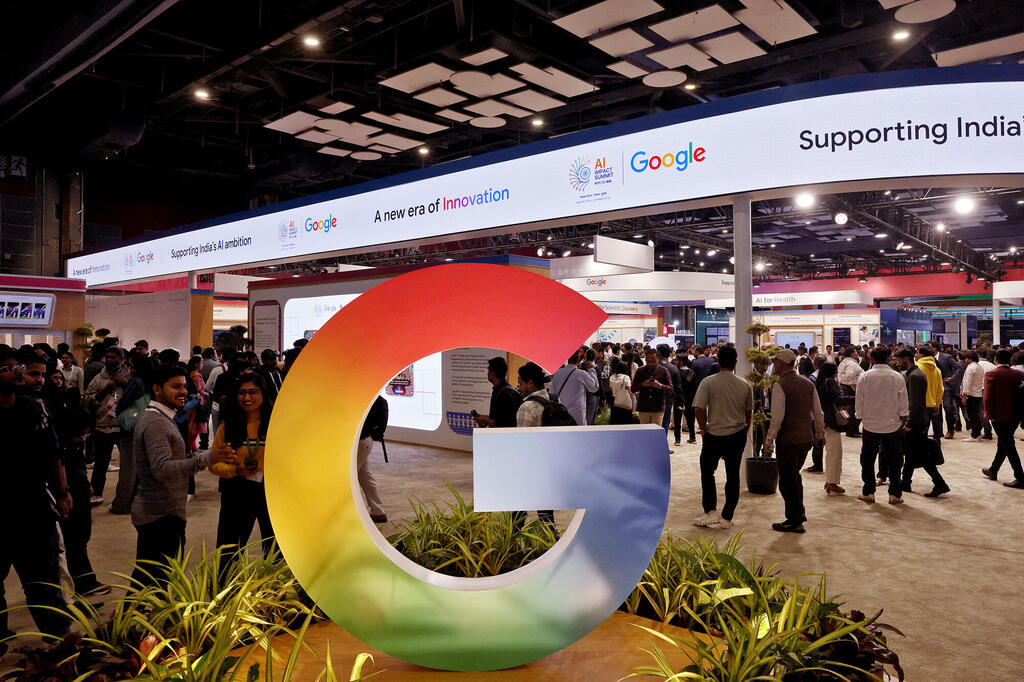
But Google’s own AI transformation is now threatening that role. Over the past year, the company has accelerated the integration of AI capabilities into Search. Last May, Google launched AI Mode, which provides users with answers generated by Gemini at the top of search results. In May of this year, the company expanded those capabilities further, redesigning the search experience and introducing AI features, including agents capable of carrying out more autonomous searches.
These changes are already altering how users interact with search. According to Google, AI-related queries are three times longer than traditional search queries. The company also says users spend between one and nine additional minutes on pages containing AI-generated results.
However, the shift is raising concerns among publishers and businesses that depend on Google traffic. Early data suggests that users are increasingly finding answers without leaving Google’s ecosystem.
In October, the independent newsletter Growth Memo analyzed 250 Google AI Mode search sessions and found that in 75% of cases, users did not click on external links.
Additional data released this month by Cloudflare showed that human traffic to websites in industries including finance, publishing, and retail declined by nearly 40% between June 2025 and April 2026. At the same time, bot traffic increased and now accounts for around half of all online traffic.
The shift creates a major challenge for websites that rely on advertising revenue or online sales. Bots consume content but do not click advertisements, subscribe to services, or purchase products. They can increase traffic volumes while reducing the number of visitors who generate revenue.
“For decades, the economic model of the web was simple,” Cloudflare researchers wrote. “Content creators exchanged access to their content in exchange for visibility on search engines, which delivered traffic to them. Traffic became the primary mechanism through which publishers, creators and businesses created economic value. But today, that model is falling apart.”
The question facing publishers is increasingly fundamental: If content is consumed without users visiting the original source, how can the creators of that content continue to survive?
Organizations such as Wikipedia are already confronting this challenge. The free online encyclopedia relies heavily on donations from visitors, but over the past year it has seen human traffic decline by 8%, while the number of bots collecting information from the site has increased. In response, Wikipedia has begun promoting its mobile app and expanding its presence on social media in an effort to build a more direct relationship with users outside Google’s ecosystem.
The changes signal a potential turning point for the internet. For years, publishers built businesses around attracting users through search engines. The rise of AI-powered search could force them to rethink that model, and compete for attention in a world where users increasingly get answers without ever visiting the websites that created the information.
First published: 10:35, 23.07.26



