










Meta in talks to settle addiction lawsuit, fine could reach $1.4 trillion
Testimony from senior company officials revealed that Meta presented data to the public that significantly underestimated the extent of youth exposure to offensive content, even though internal surveys showed data that was hundreds of times higher.
Meta is discussing a possible settlement in the high-profile lawsuit being filed against it by 29 states in the US, according to a Bloomberg report. At this stage, there is no further information on the status of the talks, and Meta and the leading states in the lawsuit did not respond to the report.

The trial, which opened last week, focuses on allegations that the tech giant designed Facebook and Instagram to be addictive for teenage users. The trial is part of the “addiction lawsuits,” a term for thousands of lawsuits filed by private plaintiffs, families and school districts in the United States against social media platforms – Meta, TikTok, YouTube and Snap – alleging that they were designed to cause addiction among users, particularly young people, and resulted in psychological and other harms.
The current lawsuit is being led by the attorneys general of California, Colorado, Kentucky and New Jersey, who allege that Meta violated their state laws by designing Facebook and Instagram to encourage compulsive behavior and prolonged use by young users, while misrepresenting their safety.
The broader group of 29 states is suing Meta, alleging that the company violated a federal law protecting children online by, among other things, collecting information from them without their parents’ consent. Violating the law carries a fine of $20,000 per violation — a sum that could grow significantly given that Facebook and Instagram have millions of underage users and the activity of each of them can include a large number of violations. According to Meta’s own analysis, the fine imposed on the company could reach $1.4 trillion.
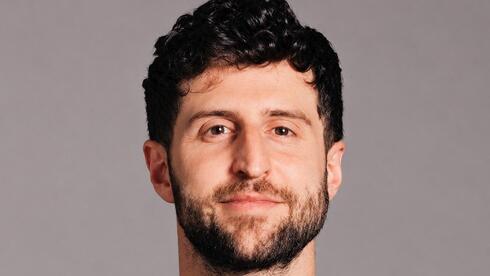
Yesterday (Tuesday), the director of Instagram, Adam Mosseri, testified at the trial, who claimed that the platform strengthened its protections against young users, but admitted that these changes did not reduce the extent of their use of the application. "There is no silver bullet for such problems," he said. Before Mosseri, Francesco Fogu, Instagram's product design manager, took the witness stand, who was asked by the attorney on behalf of the states whether Meta launched features such as "take a break" and "sleep mode" in an opt-in model, because the company knew that this model was much less effective than an opt-out model. Fogu agreed with the advocate's statement that he understands that people use less tools that don't work by default.
In the first week of the trial, former Meta executive Arturo Bejar testified that Meta had identified “a significant amount of harm, including harm to young people,” but had not made any changes as a result of the findings. He also testified that Meta had presented data to the public that underestimated the extent of youth exposure to violent or difficult content. He said the company reported that the risk of youth being exposed to such content was 0.01% to 0.02%, even though surveys it conducted itself and did not publish indicated a rate 100 to 400 times higher than the published figure.



