










Record defense spending on the table as Israel prepares for potential renewed Iran conflict
Military requests additional funding amid continued escalation across regional fronts.
About a month and a half after the defense budget was hastily increased by about 32 billion shekels ($10.96B) to approximately 144 billion shekels ($49.32B), in the backdrop of the Second Iran War, the IDF and the Defense Ministry are now submitting a new request for an additional increase of about 40 billion shekels ($13.70B).
The request is driven by continued intense military activity across security zones in Syria, Lebanon, and Gaza, sustained high alert levels for a potential renewal of conflict with Iran, and expanded force deployments in the territories. A discussion on the matter is scheduled to be held by Prime Minister Benjamin Netanyahu this week, with participation from representatives of the Treasury, the National Security Council (NSC), the IDF, and the Defense Ministry. If fully approved, Israel’s defense budget for 2026 would reach an unprecedented approximately 184 billion shekels ($63.01B).
Even after the defense budget was significantly increased in the early days of the Second Iran War, from 112 billion shekels ($38.36B) to 144 billion shekels ($49.32B), the defense establishment has argued that the increase is still insufficient given the scale of operational demands imposed on the IDF by the political leadership. Even at that stage, military officials said that, given the workload of missions, a budget of at least 177 billion shekels ($60.62B) would be required by the end of the year, a figure that has since been revised upward.
“We can no longer continue at the same level of activity with the same budget,” a senior defense official told Calcalist. “The budget framework must be adjusted to the many demands placed on the IDF and the defense establishment, otherwise we will be forced to significantly scale back activity, reduce the number of reserve forces deployed on the front lines, and cancel commitments and orders to defense industries and suppliers.”
As in previous rounds of negotiations over defense spending, the defense establishment again argues that it is being systematically underfunded by the Finance Ministry, reflecting what officials describe as an ongoing crisis of trust between the two sides. In the upcoming meeting with the Prime Minister, the Finance Ministry is expected to oppose the request and once again demand that the defense establishment manage its spending within the existing budgetary framework.
“This is crazy,” the Finance Ministry said in response to the new request. “All Israeli citizens will pay this price for years to come. This reflects a lack of ability and capacity on the part of the defense establishment to manage its budget. These are inflated demands, and every additional billion shekels comes at the expense of education, welfare, and health.” A senior defense official responded: “You can’t have your cake and eat it too.”
Israel juggling multiple fronts
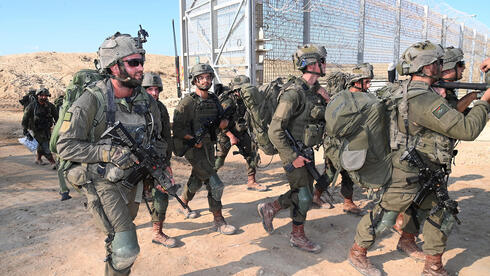
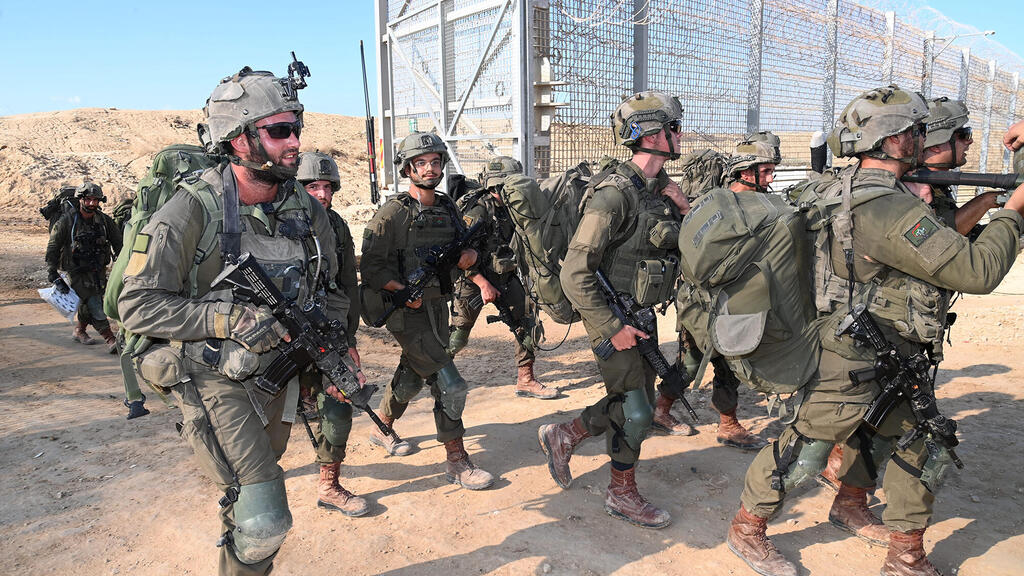
A significant portion of the IDF and Defense Ministry’s budgetary demands stems from the sustained deployment of reserve forces at levels far above those planned at the beginning of the year. While the 2026 budget discussions initially assumed the mobilization of around 40,000 reserve soldiers, on the eve of the Second Iran War this number rose to approximately 110,000, at a total cost of about 30 billion shekels ($10.27B). Since then, the number has slightly decreased and now stands at approximately 100,000 reservists deployed across multiple sectors.
These sectors have absorbed most of the IDF’s operational focus since the outbreak of the October 7 war, consuming enormous resources, with no clear military resolution in any of them so far. The IDF is deployed deep inside Gaza, controlling about 60% of the territory and separating Israeli border communities from population centers in the Strip, while Hamas continues to maintain control and rebuild capabilities. Prime Minister Benjamin Netanyahu’s repeated declarations about the destruction of the organization remain unfulfilled.
The Gaza deployment is compounded by Israeli operations along a new security strip established roughly 8 km deep inside Lebanese territory and stretching almost 100 km from the coastline to the Syrian border. The objective is to push Hezbollah’s anti-tank missile range away from northern Israeli communities. However, a ceasefire, reportedly shaped under U.S. President Donald Trump, limits Israeli offensive operations against Hezbollah and restricts strikes on infrastructure in Beirut and deeper inside Lebanon.
Late last week, Israeli citizens learned of an extension of the Lebanese ceasefire for another 45 days, announced by the U.S. administration. Defense officials told Calcalist that maintaining forces in the Lebanese security strip costs Israel roughly 100 million shekels per day ($34.25M).
Hezbollah’s continued use of explosive drones guided by fiber-optic systems against IDF forces in Lebanon continues to inflict significant casualties, raising questions about the sustainability of Israel’s presence in the security zone. These concerns have intensified amid continued rocket fire toward northern Israeli communities. Last Thursday, a Hezbollah drone struck civilians in Rosh Hanikra, seriously injuring one person.
The broader backdrop remains Iran. The war was halted in early April after 40 days of intense Israeli and U.S. strikes. Following a meeting between U.S. President Donald Trump and Chinese President Xi Jinping, assessments in Israel have grown that hostilities with Iran could resume in an effort to improve negotiating positions, amid Tehran’s continued hardline stance.
The ongoing operational pause across multiple fronts is consuming vast resources, and what was initially seen as a temporary surge in spending has now evolved into a potentially long-term burden, heavily dependent on decisions by U.S. President Donald Trump. Senior Israeli defense officials say they are uncertain whether he will authorize renewed fighting. Israeli strategic assessments suggest the Trump-Xi meeting has created a narrow window of opportunity for renewed action in Iran before the upcoming World Cup in the United States next month.
Before the ceasefire, the U.S. and Israel had not achieved their stated objectives: removing Iran’s nuclear threat, dismantling its ballistic missile program, toppling the regime, or ending support for regional proxy groups. It remains unclear whether renewed fighting would succeed in achieving any of these goals, particularly given that the Strait of Hormuz, through which about 20% of global oil flows, has been disrupted. Any renewed escalation could again focus on Iran’s energy infrastructure, including power plants and production facilities, with Iran likely responding in kind against Gulf energy infrastructure and possibly Israel.
In the days leading up to the ceasefire, the U.S. and Israel were also contending with depleted stockpiles of key munitions, particularly air defense interceptors, amid sustained Iranian missile barrages across Israel and the Gulf. This forced Israel to adopt a selective approach in deploying Arrow 3 interceptor missiles, a critical layer in its missile defense system.
Positioning for renewed escalation
Since the ceasefire began in April, Israel and the United States have used the pause to rebuild operational readiness. However, analysts note that Iran has also benefited from the lull. According to recent international reports, Iran has been extracting missiles and launchers from underground facilities carved into mountains, which were targeted early in the conflict. A CIA report cited in recent days estimated that Iran still retains about 70% of its pre-war missile stockpile.
In parallel, Israel and the United States have intensified logistical and military preparations. Ben Gurion Airport has effectively functioned as a temporary base for U.S. refueling aircraft, while a sustained airlift of military equipment continues from the United States. Shipments also arrive via the ports of Ashdod and Haifa.
Israeli defense industries continue production around the clock, particularly of Arrow 3 interceptors manufactured by Israel Aerospace Industries. Production rates for these systems have quadrupled since the beginning of the year, though even accelerated output may not be sufficient to meet full operational demand.
Despite increased production, defense officials warn that budgetary pressure, institutional friction between ministries, coordination failures, and decision-making delays could further complicate an already strained strategic environment.



