










“Israel’s technological capabilities are the reason it is working shoulder to shoulder with the US”
Amid the second war with Iran, Israeli high-tech firms continue operations and impress global investors, highlighting the country’s resilience and innovation.
The second war with Iran found Israel’s high-tech sector prepared for disruption. Many companies had already developed contingency plans during the previous round of fighting, when it became clear that once hostilities began, a significant portion of employees would be called up for reserve duty or operate at reduced capacity for an extended period.
For most companies, the primary concern was maintaining continuous service for customers worldwide. Many relied on overseas offices and distributed teams to ensure business continuity.
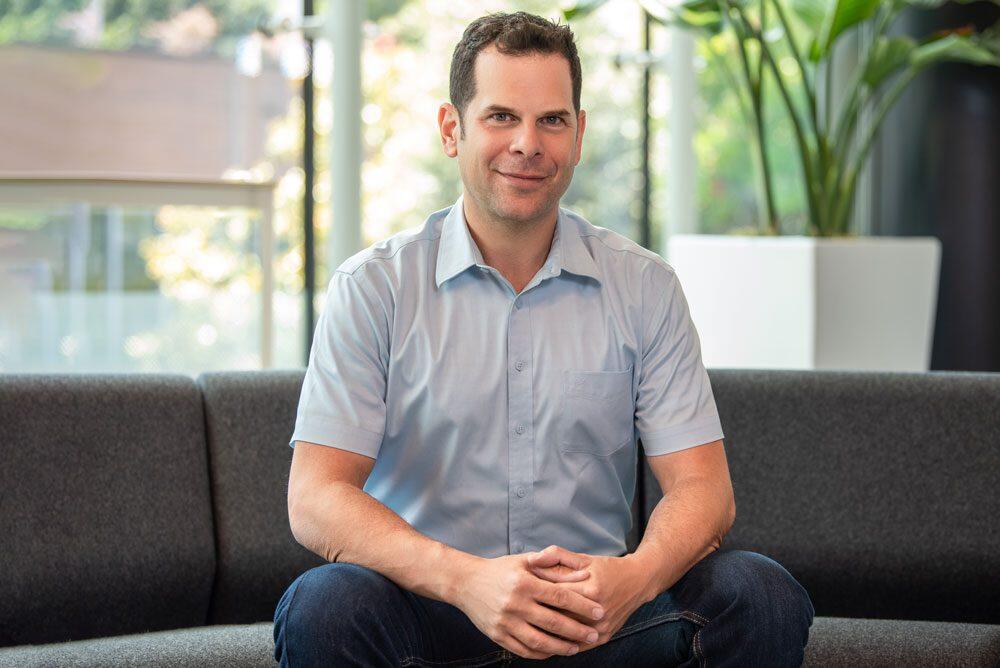
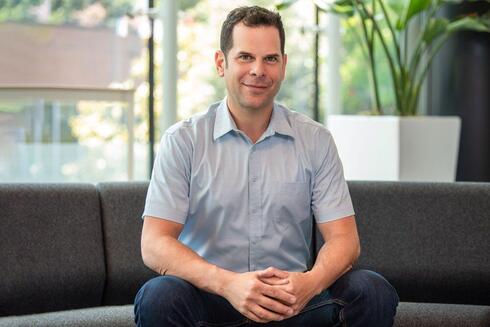
“This is a war unlike anything we have known. For the first time, Israel is not standing alone but fighting alongside the United States,” Moshe Zilberstein, a general partner at the venture capital fund Next47, told Calcalist. “Israel is working shoulder to shoulder with the leading power of the free world. One of the main reasons for this partnership is the extraordinary technological capabilities that have emerged here. The entire world is watching this demonstration of capability, and there is significant appreciation.”
Zilberstein noted that some international observers do not fully grasp the complexity of the situation. “In conversations with colleagues abroad, not everyone understands what the United States is seeking in Iran. But many recognize that this is not a tactical war, it is a strategic confrontation, a clash between blocs. Even if there isn’t full agreement, the stakes are clearer now, and there is a sense that we must prevail together.”
He added that Israel’s technological capabilities, which he described as sounding “like science fiction,” are the result of decades of investment in human capital.
Zilberstein expressed optimism about the economic outlook. “If you look at the Tel Aviv Stock Exchange, the surge at the outbreak of the war indicates extraordinary resilience. I estimate that once the conflict ends, we will see renewed investment momentum and the return of American investors. In the meantime, even under fire, companies continue to operate, holding meetings, working online, and the world is impressed by that ability to move forward.”
Erez Shachar, managing partner and co-founder of Qumra Capital, echoed that view. “The images coming out of Israel demonstrate the depth of capabilities built here over three decades of innovation,” he said. “It is precisely during challenging periods that Israeli high-tech emerges stronger.”
According to Shachar, investment flows have continued despite the conflict. “We see ongoing investment not only in defense technology, but also in fintech, cybersecurity, digital health, artificial intelligence and software infrastructure.”
He argued that repeated crises have strengthened investor confidence. “Time and again, Israel has shown it can maintain business continuity even during intense conflict. Companies continue delivering high-quality service to global customers. Over the past three years, the international community has seen this resilience in real time. Even in the most complex moments, the industry has not stopped.”
Shachar said this resilience, combined with operational achievements, reinforces Israel’s position as a leading global technology hub and deepens international recognition of its technological strength.



