








Sergey Brin is pushing Google to go all in on Gemini as AI race intensifies
The co-founder has urged key staff to focus on closing the gap with Anthropic and OpenAI, while a leadership overhaul gives greater power to executives focused on commercialization.
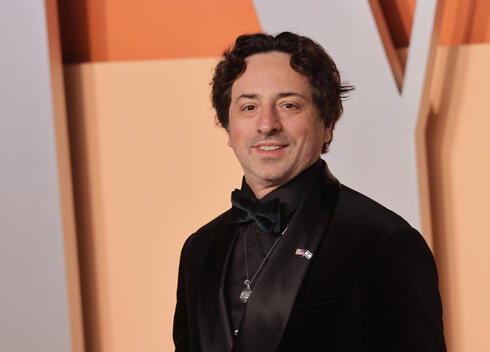
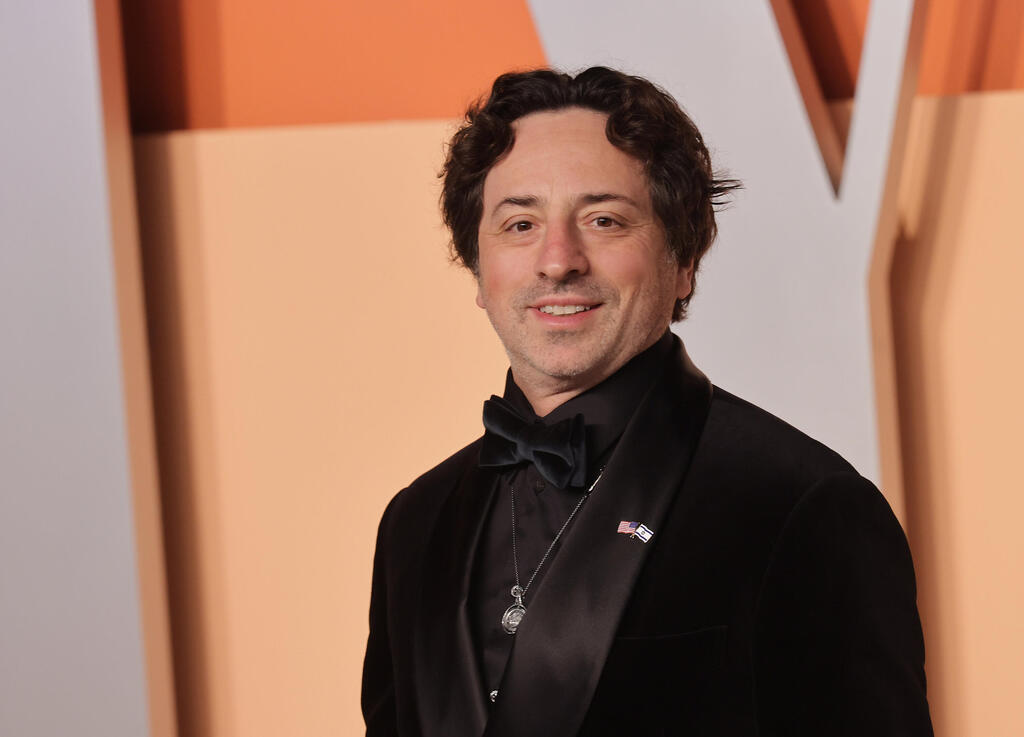
Google co-founder Sergey Brin has in recent months urged key artificial intelligence staff to go all in on the company's Gemini model as parent Alphabet seeks to close the gap with rivals, according to two people familiar with his remarks.
As Anthropic raced ahead with a preview of its powerful Claude Mythos model, Brin addressed hundreds of employees at an April town hall and urged Google DeepMind to move faster, one of the people said.
Google's Gemini briefly overtook its competitors last November, but subsequent updates from Anthropic and OpenAI once again left it playing catch-up. By August, Google had delayed its next flagship Gemini model by two months after internal testing showed that its performance continued to lag rivals in areas including coding, according to one of the sources and another person familiar with the matter.
On August 5, the Mountain View, California-based tech giant announced a sweeping leadership overhaul at Google DeepMind. Its chief, Demis Hassabis, stepped aside in favor of his deputy, Koray Kavukcuoglu, and became chairman with fewer management responsibilities. At the same time, Gemini's two original technical co-leads left the company to co-found a startup.
While some industry observers have questioned whether Google is retreating from the model race, interviews with seven people familiar with Gemini's development show that Alphabet's reorganization and commercialization strategy are closely tied to an effort to regain the lead in AI models.
The changes represent a further erosion of DeepMind's autonomy, which Google has gradually reduced since acquiring the London-based laboratory in 2014 as it has sought to make AI a bigger part of its products and a more important source of revenue.
Alphabet's shakeup included an August 6 all-hands meeting at which employees were told that some teams would move out of DeepMind and into Google's corporate structure, according to two sources.
The internal meeting details and Brin's recent remarks have not previously been reported. Other media outlets had previously reported on reorganizations that were still being finalized and on Brin's push to improve Google's coding models.
Google declined to answer Reuters' questions about Brin's involvement, the structural changes at DeepMind or concerns among employees.
Under Hassabis, Google DeepMind pursued a broad range of AI research while developing Gemini models that have become increasingly important to Google's commercial ambitions. But Hassabis also resisted some efforts that could have generated additional revenue for Alphabet or improved its competitive position in AI, according to a Reuters special report last year. His allies at Google have rejected the idea that he neglected the business or placed too much emphasis on long-term research.
In 2025, Google CEO Sundar Pichai appointed Kavukcuoglu, then DeepMind's chief technology officer, to an additional senior position as Google's chief AI architect. His mandate was to embed Gemini across the company's products.
Four sources told Reuters that some DeepMind leaders subsequently saw their influence diminish as Kavukcuoglu became increasingly central to decisions about Gemini's direction. One of the sources said Kavukcuoglu had Brin's backing.
The announcement of the leadership changes sent Google's shares down 4% that day.
At a unit-wide all-hands meeting on August 6, Hassabis and Kavukcuoglu sought to reassure employees, many of whom had learned of the changes only when they were made public, about the future of the AI lab.
Day-to-day work at DeepMind would remain largely unchanged, the executives said, according to three sources with direct knowledge of the meeting. Kavukcuoglu would continue to oversee Gemini, the sources said. He had already taken responsibility for model development more than a year earlier, according to five sources.
Hassabis spoke about AI's potential to advance science and reshape society, subjects expected to form the focus of his new role as chairman, according to the three sources.
But the meeting also exposed fresh concerns among employees that DeepMind's independence was being absorbed into Google.
Hassabis and Kavukcuoglu told employees that several nontechnical teams would move out of DeepMind and into Google's corporate reporting structure, according to two sources.
For an organization that had once encouraged employees to pursue projects beyond its core work, the changes sent a clear message that regaining model supremacy had become the priority.
Google executives, including Pichai, have said in recent months that the company remains at the frontier in areas such as video generation while continuing to work to close gaps with competitors in other areas.
Google Cloud executives, meanwhile, expect Kavukcuoglu's appointment to ease tensions with DeepMind over the allocation of Google's limited supply of AI chips, known as Tensor Processing Units, or TPUs, another source said.
The reorganization comes as Brin has sought to energize Google's AI workforce, much as he did after OpenAI's launch of ChatGPT jolted the company in 2022.
Although he no longer holds an executive position, the 52-year-old Brin has continued to exert informal influence over AI model development. For months, he has told key employees that Google needs to catch up with the frontier, according to one source familiar with his efforts.
Brin has also used the influence he retains as Google's co-founder to push resources toward specific areas, including recursive self-improvement, the idea that AI systems could improve their own capabilities with limited human intervention, the source said.
Google declined to make Brin available for an interview.
Hassabis, meanwhile, reduced his direct involvement in managing Gemini and delegated responsibility to his deputies shortly after helping launch the model in 2023, according to two sources.
Google briefly returned to the frontier with Gemini 3 last November, but soon fell behind again. Four sources attributed the renewed gap to structural problems that had contributed to Google's earlier difficulties.
Limited computing capacity and disagreements among Gemini's numerous project leaders meant that some areas that later proved critical, including coding, received fewer resources, two sources said.
The company's bureaucracy also slowed its ability to release models compared with more nimble rivals, four sources said.
Google declined to comment on those claims. Pichai told Wall Street analysts last month that the company would continue expanding its infrastructure to ease constraints on the TPUs needed for model training as well as consumer and enterprise products.
Against this backdrop, Kavukcuoglu has been consolidating power.
He moved from London to Mountain View last year after being promoted to chief AI architect and now reports directly to Pichai.
Some London-based DeepMind leaders saw their influence over Gemini's technical direction diminish after Hassabis reduced his involvement and Kavukcuoglu moved to Google's headquarters, according to a source familiar with the matter.
Kavukcuoglu has also built a reputation within Google as an executive more focused on commercialization. Even before moving to California, he rather than Hassabis was the primary point of contact between DeepMind and Google Cloud, the company's main AI revenue engine, according to a source with direct knowledge.
He will now have final say over major decisions at DeepMind, a Google spokesperson told Reuters last week.
Several of the lab's most prominent leaders other than Kavukcuoglu, including Gemini's original technical co-leads Jeff Dean and Oriol Vinyals, left as part of last week's restructuring.
Teams reporting to some of those executives had enjoyed an unusual degree of freedom to pursue research not directly related to training Gemini, according to three sources.
Google has not yet detailed what will happen to those teams or projects, leaving some employees concerned that the lab's remaining buffer against Google's commercial priorities could erode further.
The reshuffle therefore represents more than a change in reporting lines. It is the latest step in Google's attempt to bring its most important AI research effort closer to the company's commercial machinery, at a moment when Brin and other senior leaders are pressing the organization to move faster and reclaim ground from rivals.



