










“A general overhaul”: The war that was supposed to pay for itself is costing Israel billions
Defense dreams of regional prosperity collide with a mounting bill.
When the U.S. and Israeli militaries launched a full-scale campaign against Iran in late February, a senior defense official spoke of an opportunity for a “general overhaul” in the Middle East. When asked about the enormous costs and sources of funding required for such a renovation, he replied that the regional prosperity expected to follow the battles would pay for the expense, and in spades.
The alarm sirens that were activated in the streets of Tel Aviv interrupted these visions of the collapse of the axis of evil and the fading of Iran’s proxy organizations, of the expansion of the Abraham Accords and the possible inclusion of Saudi Arabia, of the deepening of Israel’s relations with the United Arab Emirates and other Gulf states, and of the billions of dollars that would finance joint regional projects in energy, technology, and tourism.
Renovations cost a lot of money, and they also turn the house into a scene of great chaos. They take its residents out of their comfort zones and sometimes even out of their minds, but in the end there is relief in the form of a pleasant living environment adapted to their needs and tastes. However, sometimes renovations become complicated, exceed any budget set at the outset, and, no less dramatically, the contractor abandons the site and disappears.
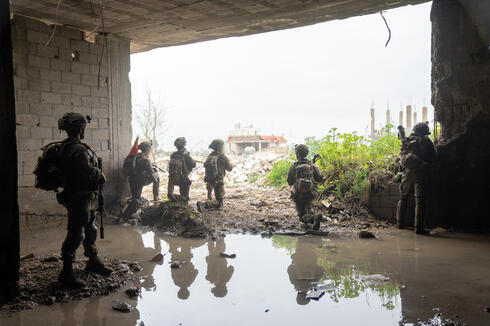
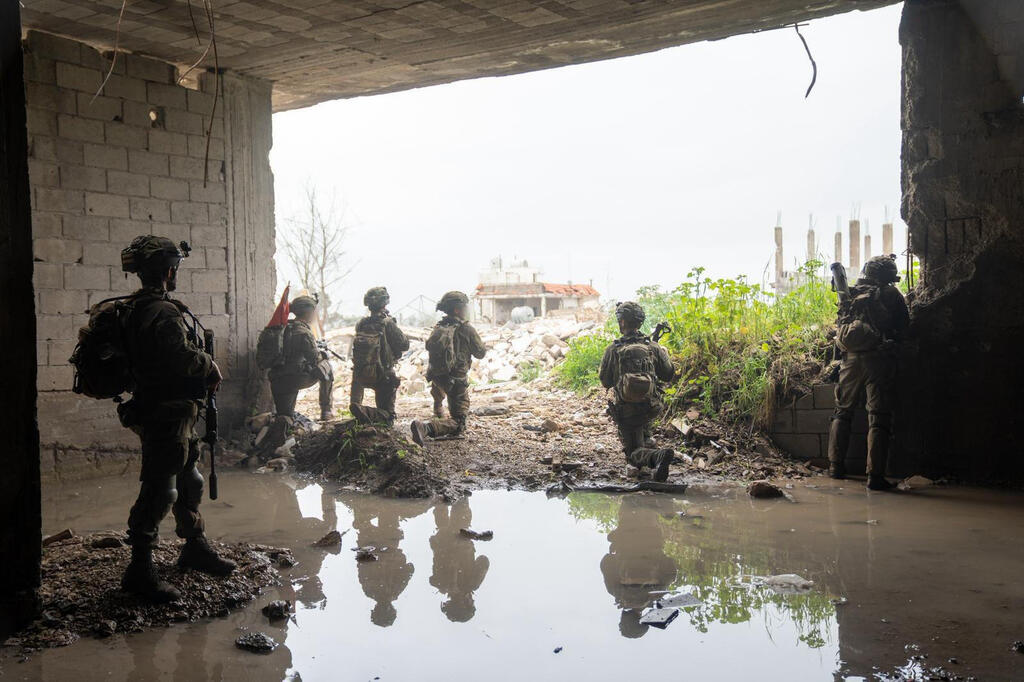
1. Since the outbreak of the Second Iran War, this “overhaul” has cost the State of Israel about 50 billion shekels it did not have in the first place. The sum includes the bombs and missiles used by the Air Force in its attacks on Iran, the cost of interceptors that were fired to counter ballistic missiles launched toward the home front, and the IDF’s increased operations in a bloody security zone in Lebanon, following Hezbollah’s entry into the war.
Every day that passes in the strategic and political limbo Israel has found itself in costs more than 100 million shekels, while the framework of the defense budget for 2026 remains unresolved. The latest demand by the IDF and the defense establishment to increase it by another 44 billion shekels, to an unprecedented 188 billion shekels, has gone nowhere, although in recent weeks it has clearly been absorbed by those controlling the budget who are now required to sign the check.
Discussions on the issue between Prime Minister Benjamin Netanyahu and senior officials from the Finance and Defense Ministries have not yet reached a decision. A discussion scheduled for the end of last week was canceled, and both ministries are firmly entrenched in their positions, refusing to budge. Each side, in its own righteous certainty, believes it is saving Israel from itself.
2. As long as the dangerous stalemate on all fronts continues, the implications of the agreement between the U.S. and Iran on IDF activity in Lebanon remain unclear. Finance Minister Bezalel Smotrich, who is also a member of the political-security cabinet, continues as usual to beat the drums of war. “The agreement is bad, and we will have to continue the campaign to overthrow the Iranian regime ourselves,” he claimed.
Smotrich is also a minister in the Defense Ministry, which is struggling with its own budgetary pressures amid the ongoing war, but he did not specify where the money would come from, nor where the many soldiers needed to maintain Israel’s multi-front deployment, across Gaza, Syria, and Lebanon, and against a more entrenched Iran, would be sourced.
Among the “cluster” missiles that caused widespread destruction across the country after failing to be intercepted by Arrow 3 systems due to supply shortages stemming from budget disputes, and amid inflated assessments of the IDF’s achievements in the first Iran war and the previous war with Hezbollah, decision-makers who fought alongside U.S. forces dismissed questions about strategic purpose. Anyone who raised concerns about decision-making processes was accused of harming national morale.
The State of Israel will pay the price for this disorder for many years to come, because it is not over. All the open fronts require military readiness for a reality of repeated rounds of fighting, sharp transitions between routine and emergency, and widespread disruption to economic activity. Against the backdrop of the unstable and bleak interim situation in which Israel finds itself, it is doubtful whether the demand to raise the defense budget to 188 billion shekels will be the last.



