











AIG Israel workers threaten strike over AI-driven job concerns
After nearly a year of negotiations over a new collective agreement, the workers’ union says it is also seeking safeguards against the potential impact of AI on employment.
The workers’ union at insurance company AIG Israel announced a labor dispute on Sunday following disagreements with management over the renewal of the company’s collective agreement, after nearly a year of negotiations.
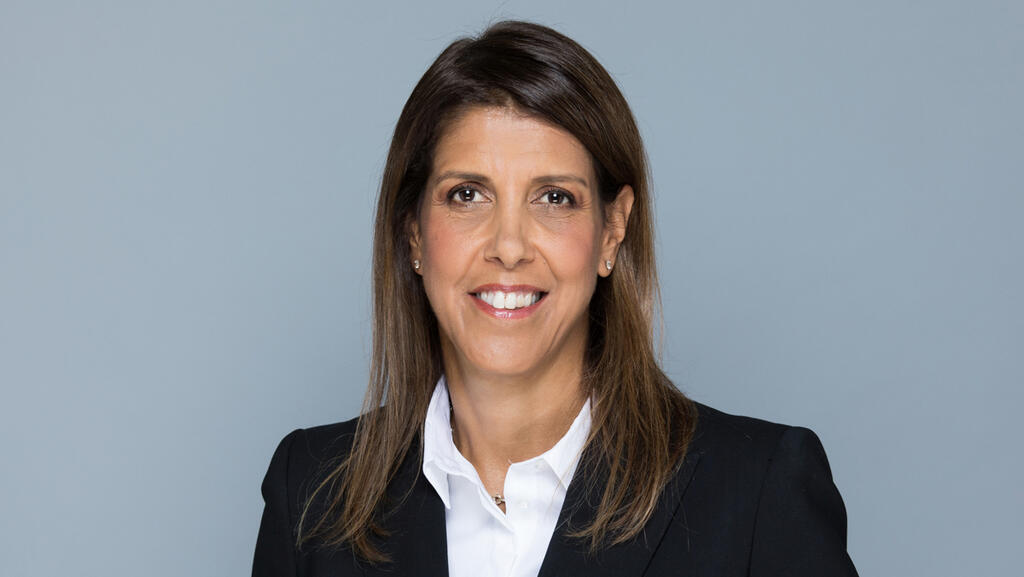
The dispute, however, goes beyond the terms of a new collective agreement. According to the workers’ union, AIG management, led by CEO Yfat Reiter, is working on a pilot involving an AI tool designed to simulate tasks currently performed by employees. The committee says the move could lead to job losses and undermine employment stability, and is demanding that the use of AI be addressed as part of the collective agreement.
“We did everything we could to avoid this moment, but unfortunately we had no choice,” the union said in a message to employees. “For a very long time we tried to reach agreements with management, but the gap between what management is willing to offer and a collective agreement that would provide AIG employees with what is accepted in the economy is very large.”
The declaration of the dispute triggers a 15-day cooling-off period, during which the sides will attempt to bridge their differences. If there is no significant progress, the workers’ union and the Histadrut may decide to take organizational measures, including a strike.
AIG Israel employed 852 people in 2025, up from 838 in 2024. Of those, 574 worked in service and sales centers, areas that could potentially be affected by the introduction of AI tools.
AIG said: “We regret the decision of the workers’ union and the Histadrut to declare a labor dispute while serious negotiations are underway. As part of these negotiations, the company has presented appropriate and good offers regarding employees’ wages and employment conditions.
“AIG believes in innovation and the implementation of AI technologies as part of its business development and efforts to improve service to customers. The implementation of these tools will be carried out responsibly and thoughtfully, while engaging with employee representatives in accordance with the law. The company will continue working to reach a proper and balanced agreement that serves both employees and the company.”



