








Saudi Arabia's sports spending spree is over. Its global ambitions are not
After pouring billions into LIV Golf, football and international sporting events, the Kingdom is scaling back costly projects and seeking private investors. The 2034 World Cup remains a national priority, but Riyadh is shifting toward a more selective strategy as budget pressures and regional instability mount.
In recent years, it seemed as though Saudi money knew no bounds. Any club, athlete or global sporting event appeared to have a price. The Kingdom's financial might was on display in a series of staggering investments: the acquisition of English football club Newcastle United; unprecedented contracts for superstars such as Cristiano Ronaldo, Karim Benzema and Neymar, which helped turn the Saudi football league into a global attraction; the creation of a rival circuit seeking to challenge the established professional golf tour; and the staging of high-profile boxing matches costing tens of millions of dollars for a single evening.
But this seemingly endless spending spree has collided with a painful economic reality. Officials in Riyadh tasked with balancing the books have discovered that even more than $5 billion was not enough to conquer the golf world and defeat the long-established American tour. The Saudi sovereign wealth fund, which manages assets exceeding $900 billion, has withdrawn its financial backing from LIV Golf. After efforts to secure private investment and launch a successor league failed, LIV announced on November 5 that it would wind down operations and liquidate, marking the end of one of the most expensive attempts to reshape professional sports.
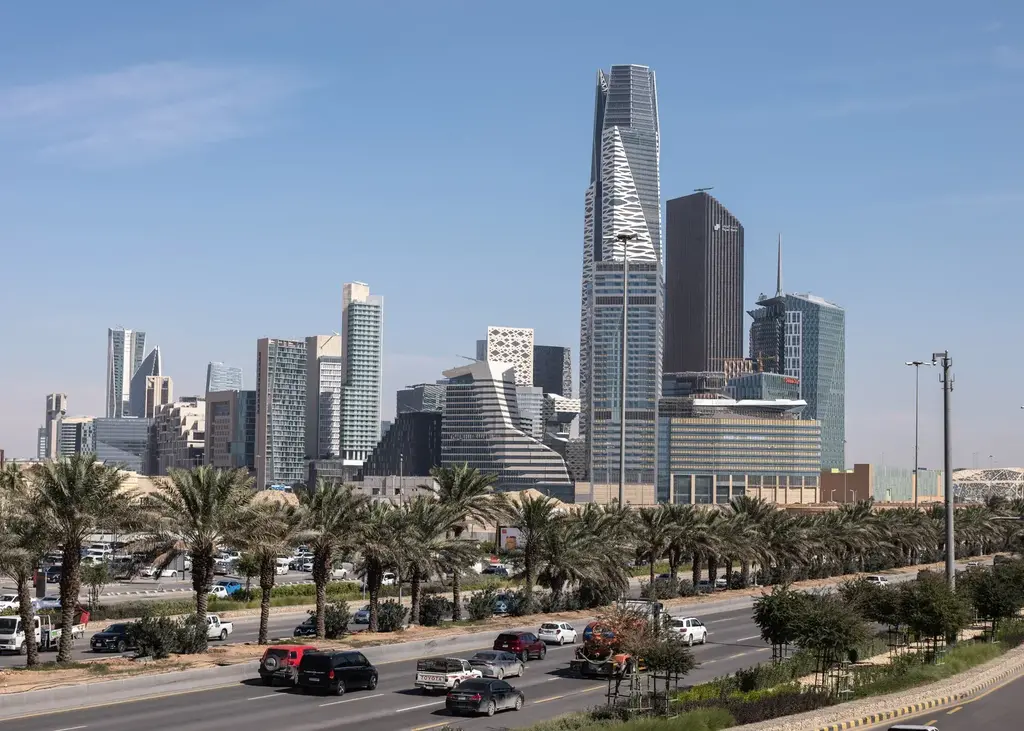
The collapse marks a dramatic turning point in Saudi Arabia's global sporting ambitions. Behind the shift is Crown Prince Mohammed bin Salman, who made investment in sports a cornerstone of Vision 2030, the strategic plan designed to reduce the Kingdom's longstanding dependence on oil.
However, the sovereign wealth fund's new five-year strategy has placed greater emphasis on investment efficiency, financial returns and private-sector participation. The Public Investment Fund (PIF) is moving from a period of rapid expansion toward a more disciplined approach, seeking to generate value from existing investments rather than continuing to finance every ambitious project. The shift reflects a broader effort to direct capital toward priorities that can deliver lasting economic benefits.
Yasir Al-Rumayyan, governor of the fund, has described Saudi Arabia's dependence on oil as a disease that must be urgently cured. Speaking to foreign investors in Washington in 2025, he noted that approximately 75% of Saudi citizens are under the age of 35. This young population needs genuine job opportunities and stable employment, rather than simply showcase events featuring global superstars. The government's ability to deliver on those expectations will be an important test of its economic transformation.
Asian Cup postponed as security concerns mount
Adding to the budgetary pressures are geopolitical upheavals and the escalation of conflict in the Middle East. Houthi attacks from Yemen have targeted Saudi Arabia, including a strike on Riyadh's international airport that killed at least 12 people and injured more than 300. The attacks have disrupted the country's sporting calendar and raised questions about its ability to host major international events.
The most significant development came on November 3, when the Asian Football Confederation announced that the 2027 AFC Asian Cup, originally scheduled for January 7 to February 5, would be postponed. The tournament will now take place from December 23, 2027, to January 21, 2028. Organizers cited exceptional regional circumstances, logistical difficulties and travel disruptions, although Saudi Arabia has said it remains committed to hosting the competition.
The conflict has also disrupted other major sporting events. Formula 1's Saudi Arabian Grand Prix did not take place in April, while the Saudi International golf tournament was postponed indefinitely and the Urban Cycling World Championships were canceled. The Six Kings Slam tennis exhibition in Riyadh was moved from October to December, and FIFA postponed its FIFAe Finals 2026 competition in Jeddah. The 2027 Dakar Rally will also no longer take place in Saudi Arabia. Organizers announced on October 25 that the event would move to another country, with Saudi Arabia set to host the rally again in 2028.
The regional risk has added another layer of uncertainty to a sports investment strategy already facing financial scrutiny. The most expensive lesson has come from LIV Golf, which lured international stars with offers worth hundreds of millions of dollars. But the league struggled to build a sustainable commercial model, and its spending ultimately failed to generate sufficient revenue to justify the investment. Even a potential $300 million financing package from private equity firm BC Partners could not save the proposed relaunch after too few players agreed to participate.
A similar slowdown is becoming apparent in football, the most prominent showcase for the Saudi transformation. The massive recruitment drive that began with Ronaldo and continued with Karim Benzema and Neymar has cost the local league approximately $2 billion in transfer fees alone, excluding salaries and agent commissions. Now, privatization is becoming a central part of the strategy. In April, PIF signed an agreement to sell 70% of Al-Hilal to Kingdom Holding Company, in a deal valuing the club at approximately 1.4 billion Saudi riyals. The transaction is intended to bring more private capital into the country's football industry and reduce the financial burden on the state.
The change in priorities is also affecting the Kingdom's investments in European football. Newcastle United, acquired by a consortium led by the Saudi sovereign wealth fund, has returned to the Champions League and won the League Cup. But its anticipated rise into the global elite has stalled. The Premier League's financial rules restrict the ability of its Saudi owners to inject capital and spend freely on players, limiting the pace at which the club can strengthen its squad.
Nevertheless, it would be inaccurate to suggest that Newcastle is being abandoned. In August, the club announced an agreement to acquire the Woolsington Hall estate for a new training complex, a project valued at £190 million. The first team is expected to move into the facility for the 2029-30 season, subject to planning approval. At the same time, Reuters has reported that PIF is considering selling a minority stake in the club, another indication that the fund is looking to bring in outside capital and reduce its direct financial exposure.
The Kingdom's most ambitious sporting goal remains hosting the 2034 World Cup, an event envisioned as the greatest in its history and still a major national priority. Even this project, however, is being scaled back as the authorities seek to control costs. The original bid included 15 stadiums: 11 new venues and four existing stadiums to be renovated or expanded. Architects have been asked to submit cheaper proposals after the original designs were deemed too expensive, while reports indicate that at least five proposed stadiums could be dropped or put on hold.
The most extravagant of these projects, the suspended stadium planned for the futuristic city of NEOM, has also been put on hold. The venue, which was envisioned as an elevated arena within the futuristic development known as The Line, carried an estimated price tag of approximately $2.5 billion. Reuters reported in October that Saudi Arabia was quietly shelving the project following delays and a broader reduction in the scale of NEOM's development.
Winter Games moved as sports projects are reconsidered
Signs of a slowdown are spreading across several other areas of Saudi sports investment. The Kingdom's plans to host the 2029 Asian Winter Games at the Trojena ski resort were abandoned, with Kazakhstan reported to be taking over hosting duties. A bid to host the 2035 Rugby World Cup was also dropped, while the Saudi Masters snooker tournament was canceled just two years into a ten-year agreement. The International Olympic Committee and Saudi Arabia also ended their agreement to stage the Olympic Esports Games.
The pattern is not one of a complete retreat, however. Some projects are being abandoned, others postponed, and still others are being moved or redesigned. The 2027 Dakar Rally, for example, will proceed outside Saudi Arabia, but organizers have already agreed that the Kingdom will host the event again in 2028, when it marks its 50th edition.
Amid this wave of cancellations and postponements, boxing stands out as an exception. The General Entertainment Authority, led by Turki Al-Sheikh, continues to invest heavily in the sport. High-profile events have continued in Riyadh, including the October 31 world-title fight featuring Mexican superstar Saúl "Canelo" Álvarez. The willingness to proceed with major boxing events despite the security situation highlights the Kingdom's determination to preserve some of its most visible international sporting platforms.
Tennis presents a more complicated picture. The WTA Finals left Riyadh after the 2025 edition, with the 2026 tournament returning to the United States, while the ATP's Next Gen Finals also ended its hosting arrangement in Jeddah. Saudi Arabia is nevertheless seeking to maintain a presence in the sport through sponsorships and a proposed Masters 1000 tournament.
It would nevertheless be premature, and inaccurate, to conclude that Saudi Arabia is retreating from global sports. Football remains central to the Kingdom's strategy, and Saudi sponsors such as oil giant Aramco continue to hold major contracts with Formula 1 and FIFA. The country is also continuing to invest in domestic sports infrastructure and events, which are intended to support tourism, entertainment and employment.
The Public Investment Fund's new strategy does not represent an abandonment of international investment. Rather, it signals a shift toward projects that can generate financial returns or contribute more directly to the domestic economy. The fund is also exploring ways to raise capital from its existing portfolio, including selling stakes in mature assets and bringing in outside investors, as it seeks to reduce its reliance on additional direct funding.
Sports will continue to serve as a key instrument of soft power for the Saudi regime, even as the Kingdom faces criticism from human rights organizations that accuse it of using high-profile events to improve its international image. The sovereign wealth fund is not abandoning the sporting arena. But the era in which an open checkbook alone seemed sufficient to reshape the global sports order has come to an end.
The road to the 2034 World Cup will reveal whether the revised strategy can bridge the gap between the Kingdom's immense global ambitions and its growing emphasis on budgetary discipline. Saudi Arabia's original bid included 15 stadiums, thousands of hotel rooms and extensive supporting infrastructure for a tournament that will feature 48 national teams hosted by a single country for the first time. The plans are already being reconsidered, and the shelving of the NEOM stadium is a particularly visible example of the changes underway. If security and geopolitical challenges persist, the Kingdom may be forced to recalibrate its ambitions further.



