








"The metro will be a game changer for the Israeli economy"
NTA Chairman Yodfat Afek Arazi said on a panel at the National Economic Conference that the metro is essential for productivity and growth. Ashdod Port Chairman Shaul Schneider attacked: "The structure of the ports is problematic. The competition is unfair. And I think we can achieve much better results if they let us compete on an equal footing with private companies."
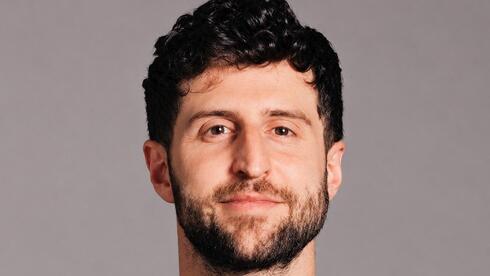
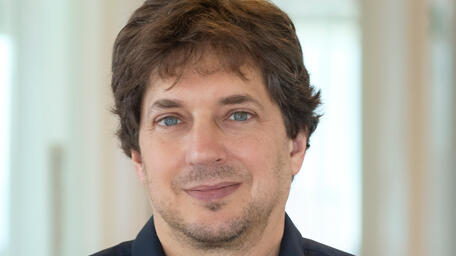
"The question is not how the metro will affect the Israeli economy, but what the Israeli economy will look like if there is no metro," said Yodfat Afek Arazi, chairwoman of NTA, during a panel on infrastructure at the National Economic Conference of Calcalist, Bank Leumi and Clal. The panel, moderated by Calcalist reporter Hofit Cohen-Ulay, also included Erez Balasha, founder and CEO of Generation Capital; Nitzan Sandor, head of the Legal Consulting Division at Bank Leumi; Shaul Schneider, chairman of Ashdod Port; and Daniel Sofer, deputy CEO of Mekorot.
The population of the Dan region (Greater Tel Aviv) is expected to grow rapidly in the coming years. How will the metro affect the real estate market, employment and daily life in Israel?
Afek Arazi: "Without a reliable and efficient mass transit system, we will not be able to move from place to place. This is no longer just a transportation issue, but a matter of lost productivity, reduced GDP and a broader macroeconomic challenge. This is the most complex, largest and most expensive infrastructure project in Israel's history. Already during the construction phase, it will serve as a growth engine for employment, technology, services and engineering. Increasing building rights along the metro route will significantly expand the supply of residential real estate, commercial space and employment centers."
1 View gallery
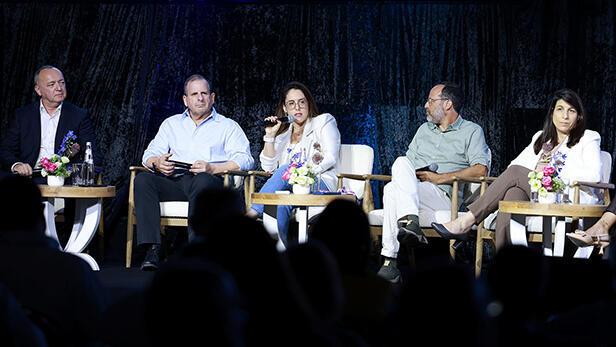
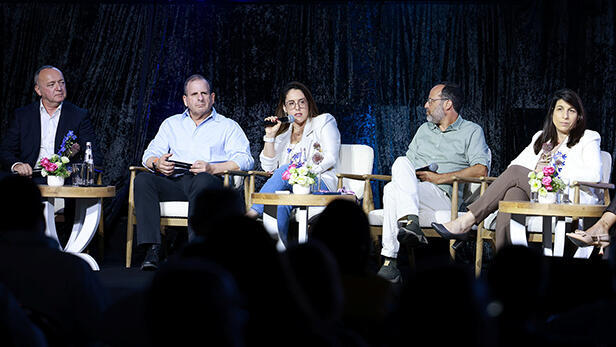
National Economic Conference panel: Erez Balasham, Nitzan Sandor, Shaul Schneider, Yodfat Afek Arazi, Daniel Sofer
(Orel Cohen)
According to her, the most significant impact will be on the labor market. "When the metro shortens travel times, opportunities increase. The pool of workers available to employers will expand, and distance will become a less significant barrier. The metro will be a game changer for the Israeli economy."
The growth of the population, industry and data centers is increasing demand for water. Is Israel's water infrastructure prepared for this challenge?
Sofer: "We are not looking only five years ahead; we are planning for the next 40-50 years. We are monitoring developments closely and are in a very strong position. In 2019, our development plan was around NIS 600-700 million. Today it stands at approximately NIS 1.6 billion, and we estimate that by the end of the decade it will reach about NIS 2 billion annually. All of this is intended to provide solutions for all needs, including agriculture, water supply to Israel and water supply to neighboring countries."
National infrastructure projects are becoming larger and more complex. What legal and regulatory barriers are currently slowing infrastructure investment?
Sandor: "Israel has a large number of planning authorities, government ministries, local authorities and other bodies involved in infrastructure projects. The country does not lack excellent plans for advancing infrastructure, but the multiplicity of stakeholders creates business and contractual complexity."
"The past few years have also demonstrated how difficult it is to anticipate unusual events. The coronavirus pandemic and the war meant that many parties involved in projects were simply unable to come to Israel for extended periods, delaying a significant number of projects. Our role as financiers is to create as much business certainty as possible and manage risks correctly."
Is Israel setting the right priorities in infrastructure, and what would you change from an investor's perspective?
Balasha: "In Israel, tenders are transparent, risk-sharing mechanisms are appropriate, financial closings can happen quickly, and there is significant financing available, including from international investors. Even when unexpected events occur, the state has a partner to deal with them."
However, according to him, the main challenge is execution. "There are many competing interests, political involvement, regulatory barriers, bureaucracy and sometimes also a shortage of high-quality human resources on the public side. The result is a severe shortage in almost every field: energy, water, waste and transportation."
In a world where trade routes are disrupted and reshaped by geopolitical considerations, how is Ashdod Port preparing to maintain operations?
Schneider: "Ashdod Port is one of 36 critical facilities in the State of Israel that must continue operating under any circumstances, including during wartime. This is what we have done since the beginning of the war on October 7. There were companies that did not call at Ashdod Port at the beginning of the war, but the situation stabilized afterward."
Schneider noted that approximately 40% of all goods entering Israel pass through Ashdod Port. "This requires us to be efficient, invest in infrastructure and continue moving forward, while also addressing security challenges. Over the past three years, we have invested more than NIS 1 billion, including in cranes and new equipment. These investments provide confidence to shipping companies and enable them to continue operating in Israel."
The defense budget has increased, while the funding sources for the metro have not yet been fully secured. How is NTA dealing with budget uncertainty?
Afek Arazi: "Defense spending will remain very high in the coming years. The funding can come from increasing debt or cutting budgets, but it can also come from growth. The question is not only how to divide the pie, but how to make the pie bigger. The metro is a generator of output and growth, as are investments in energy, water and waste infrastructure."
What reforms are needed to improve port operations?
Schneider: "The structure of the ports is problematic, competition is unfair, and regulation is suffocating. Much better results could be achieved if government companies were removed from political constraints and allowed to compete on equal terms with private companies. We have 12 regulators overseeing us, and management spends a significant amount of time dealing with regulation instead of focusing on the market itself."
What is the advantage of the private sector in establishing and operating national infrastructure?
Balasha: "The business sector is already building most of Israel's infrastructure — in energy, transportation and desalination. It has the ability to bring high-quality personnel, manage complex operations and introduce an entrepreneurial mindset. The business sector also brings financing at a time when the state budget is under pressure."
"Generation Capital takes savings and pension funds and directs them toward infrastructure investments. The investor receives a long-term return, while the state gains significant sources of financing."



