










Opinion
The data has always been there, now AI is turning it into better medicine
"Artificial intelligence can quickly derive insights from medical data, whether text, audio, imaging, or other formats, thereby streamlining clinical decision-making," writes Hadas Bitran, Head of the Healthcare Group at Microsoft Israel R&D.
The healthcare system today generates more medical data than at any other time in history, and the central challenge is transforming these vast volumes of information into accurate, real-time decisions. Test results, imaging data, visit summaries, and more are continuously collected Around every patient. Estimates suggest that each person generates an average of around 80MB of medical data per year, yet less than a tenth of this information is reviewed in real time and used for decision-making.
This is where artificial intelligence comes in - not just as a technological tool, but as a strategic partner that restores focus to the patient, improves the quality of care, and enables medical teams to work more efficiently and responsibly.
From a patient’s very first interaction with the healthcare system, AI-based tools can already provide medical information in clear language, explain findings, and make care instructions more accessible. For example, Sheba Medical Center, in collaboration with Microsoft, developed a dedicated AI agent called “Betty,” which provides initial responses in the emergency department to frequently asked questions and creates structured documentation of the interaction. For a system operating under constant pressure, this represents a significant boost in capability.
The impact is also felt inside the examination room itself. AI tools can extract relevant information from conversations between patients and doctors or nurses, freeing them from time-consuming documentation and allowing them to devote more attention to meaningful, attentive care. In clinics using such technologies, including platforms like Dragon Copilot, cumulative time savings of several hours per week have been reported. This figure is important in itself, but more importantly, it helps reduce one of the well-known drivers of burnout among medical staff.
Where doctors once typed while speaking with patients, or postponed documentation until the end of a shift, rapid summarization of the conversation, shorter documentation times, and reduced administrative burden now help return the focus to direct interaction, to listening, and create more time to truly see the person behind the data.
The next stage begins after AI has helped capture and document the necessary information. Processing that data and generating insights from it also requires time, time that can be critical for the patient. Artificial intelligence can quickly derive insights from medical data, whether text, audio, imaging, or other formats, thereby streamlining clinical decision-making. Today, in some clinics and hospitals, the interpretation of medical imaging is completed within just a few minutes.
But how do we turn all this medical data into a reliable basis for decision-making? Today, AI is already capable of synthesizing large volumes of medical information and drawing on validated medical sources to diagnose conditions and recommend treatments based on symptoms and clinical criteria. This saves time and resources, reduces uncertainty, and supports more accurate decision-making. It is nothing short of a revolution. At Microsoft, for example, we have developed AI agents capable of synthesizing a patient’s historical radiology findings and providing relevant, evidence-based responses to doctors’ questions, even when those questions are complex.
We are witnessing how Israel’s healthcare system excels at adopting new technologies and how AI is being integrated into leading hospitals and health organizations. This technological innovation also carries a strong sense of national pride, as many of these models and tools were developed here in Israel. In conclusion, this revolution must be led with a commitment to responsible innovation, and Microsoft applies this approach at every stage, including safeguarding privacy, ensuring transparency, and maintaining human oversight.
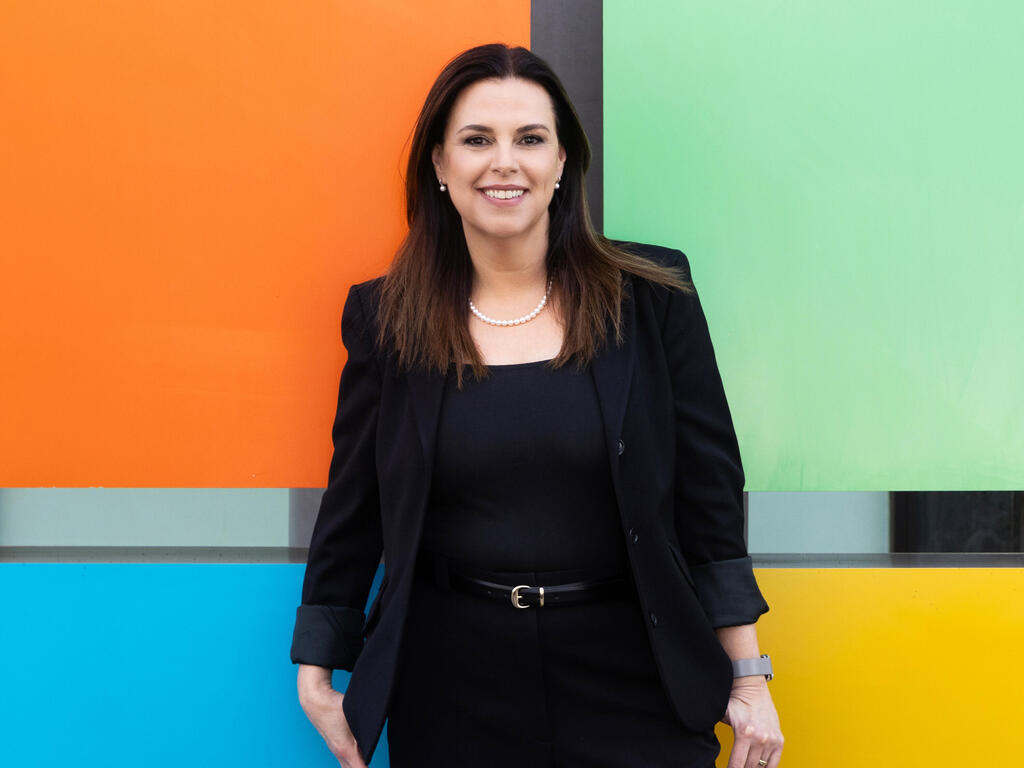
Hadas Bitran is Head of the Healthcare Group at Microsoft Israel R&D.



