










Israel considers government-wide cuts to meet urgent defense funding needs
The Finance Ministry has not specified the size of the proposed cuts or which security needs the money would cover, as the defense establishment seeks an additional NIS 25 billion.
In an unusual move just two weeks before the elections, the Ministry of Finance is considering an across-the-board cut to government ministries to free up funds for urgent defense needs. The ministry has not specified the size of the proposed cut or detailed the nature of the security requirements it is intended to address.
The move comes amid an unprecedentedly severe crisis between the Finance and Defense ministries, which escalated in recent days following the cancellation of a planned $1 billion deal to purchase 12 Apache attack helicopters for the Air Force from U.S. defense giant Boeing. The deal fell through last week over a dispute about the funding source for one-third of the cost, or $288 million.
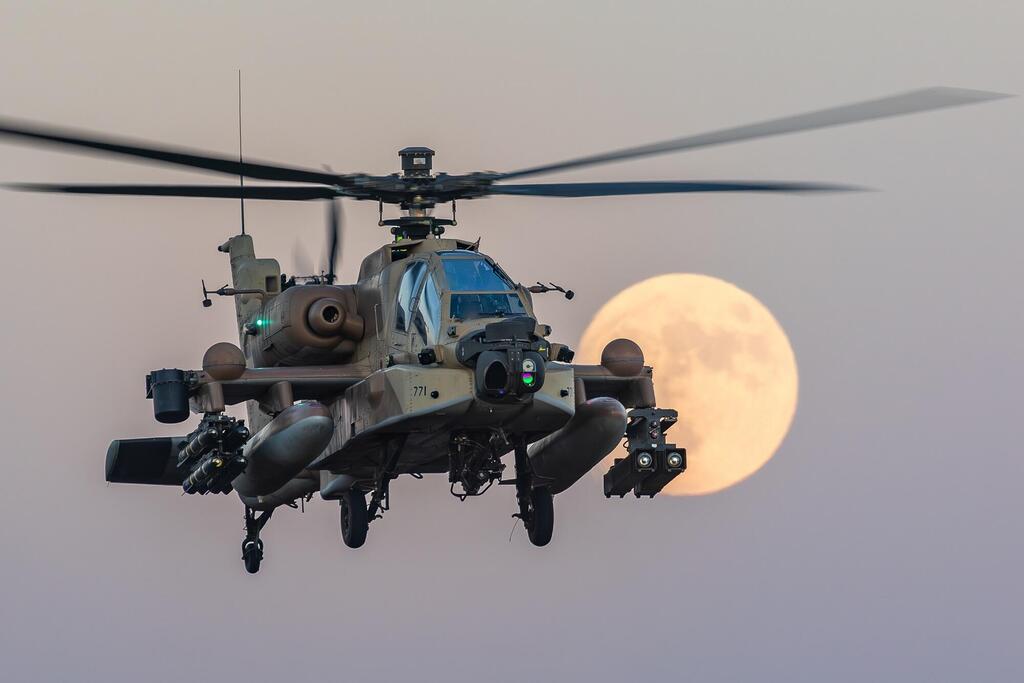
The IDF and the Ministry of Defense have blamed the Finance Ministry for scuttling the deal. They say that over the past year, they had secured three extensions from the Americans to submit a formal order, which would have allowed Boeing to manufacture the helicopters on a relatively tight schedule aligned with the Air Force’s operational needs. Ironically, the deadline under the final extension was set for the third anniversary of the October 7 attack.
Defense officials have warned that if Israel seeks to order the attack helicopters in the future, it will face a higher price and significantly longer delivery times after losing the favorable production slot Boeing had previously allocated.
Some estimates suggest that the across-the-board budget cut now under consideration is intended to salvage the helicopter deal, even at this late stage. Defense officials dismissed that assessment yesterday as “spin,” insisting that the proposed cut is unrelated to the Apache procurement plan, which they accuse the Finance Ministry of effectively torpedoing.
According to defense officials, the proposed cut is not expected to exceed NIS 2 billion, a fraction of the NIS 40 billion shortfall they say exists in the 2026 defense budget. They accused the Finance Ministry of systematically stalling efforts to address the gap.
The need for the new attack helicopters was identified in a staff study conducted by the Air Force over the past two years in the wake of the October 7 attack. In addition to providing new capabilities, the helicopters are intended to replace an aging fleet of Apache helicopters that the Air Force has operated for more than three decades.
Beyond the failed Apache deal, the defense establishment fears a similar outcome for two other major procurement plans. By the end of the year, Israel needs to order two KC-46 aerial refueling aircraft from the U.S. at a cost of approximately $500 million, supplementing the six already ordered. The aircraft are intended to support long-range Air Force missions, including operations targeting Iran and Yemen.
Another deal clouded by uncertainty involves the purchase of six new transport helicopters for approximately $1 billion, in addition to the 12 already ordered from Lockheed Martin’s Sikorsky division.
Neither the refueling aircraft deal nor the transport helicopter procurement currently has a secured funding source. As with the Apache deal, the defense establishment fears that delays in placing the orders will push deliveries back by several years.
The Ministry of Defense and the IDF are preparing for negotiations with the Finance Ministry’s Budget Department to secure an additional NIS 25 billion for the defense budget. The request is in line with agreements reached last June and incorporated into a framework drawn up by the National Security Council (NSC).
The NSC framework aligns with the defense establishment’s demand for approximately NIS 40 billion in additional funding by the end of 2026 to cover the IDF’s extensive operations across multiple fronts. In recent weeks, the Knesset Finance Committee has approved the transfer of NIS 15 billion from Finance Ministry reserves to the defense establishment. The transfer still requires approval from the Foreign Affairs and Defense Committee, although the defense establishment has already begun committing funds against the amount, potentially leaving the committee’s deliberations as little more than a formality.
A decision on the additional NIS 25 billion is expected in about six weeks and will depend on the IDF’s actual expenditures. If the full amount is transferred, as the defense establishment demands, Israel’s defense budget for 2026 will reach NIS 183 billion.
Defense officials reiterated that the proposed across-the-board cut has nothing to do with the Apache procurement. They described the cut, which they expect to amount to no more than NIS 2 billion, as negligible compared with the NIS 40 billion gap they say the Finance Ministry is failing to address.



