










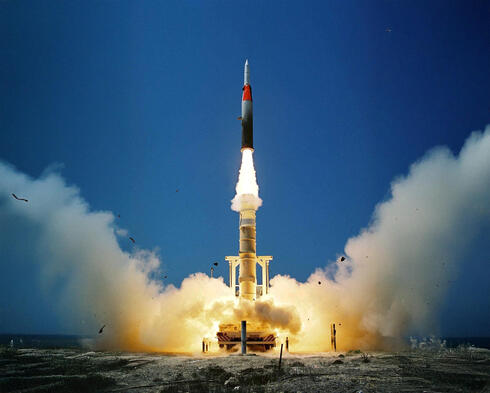
The IDF is learning to settle for 'good enough' weapons as the cost of war mounts
Lessons from conflicts in the Middle East and Ukraine are pushing Israel toward cheaper, more readily available systems, even when they lack the capabilities of its most advanced weapons. The shift could reshape how the military approaches future wars.
1. Mapping the obstacles that slow the IDF's acquisition of the systems, capabilities and equipment it needs is only the first step. The real test for the military and the Ministry of Defense will be implementing the recommendations of the task force led by Maj. Gen. (res.) Amir Abulafia. Doing so will require considerable effort and flexibility. As wars drag on and battlefields become saturated with large numbers of highly accurate, lethal yet relatively inexpensive strike systems, relying exclusively on expensive, sophisticated weaponry is no longer a viable strategy. Such high-end systems are often procured and used sparingly because of their cost and the production constraints that make it difficult to manufacture them at scale.
2. Lessons from recent conflicts in the Middle East and Eastern Europe are pushing the IDF, along with other Western militaries, toward an increasingly pragmatic approach: prioritizing equipment that is good enough to accomplish an operational objective, even if it is not the most sophisticated or advanced option available. The IDF acknowledges that this is not an ideal situation. But given the current circumstances, it must make do with the capabilities it has.
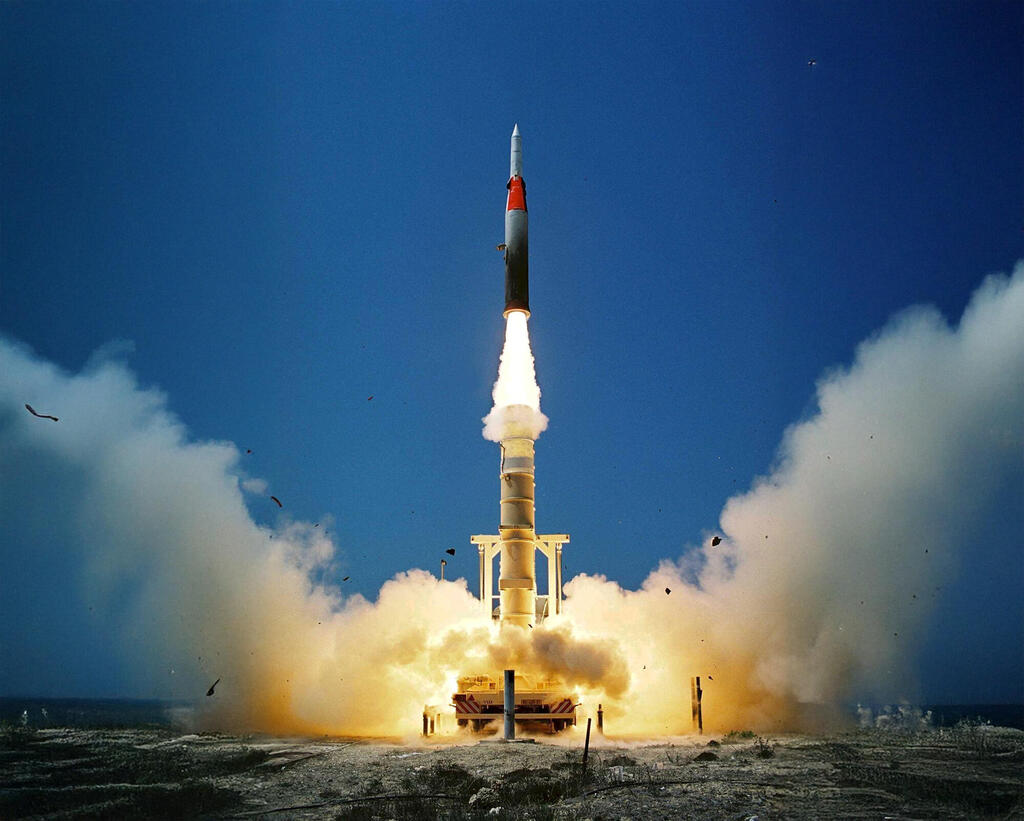
A recent example emerged in a Bloomberg report on plans to upgrade Rafael's David's Sling air defense system to enable it to intercept ballistic missiles. Most of the ballistic missiles launched at Israel from Iran and Yemen have been intercepted by Israel Aerospace Industries' Arrow 3 system, which is designed to engage threats outside the atmosphere. Expanding David's Sling's operational capabilities to address ballistic missile threats is another example of the shift toward a "good enough" approach.
David's Sling is an advanced and effective system, but its interceptors are significantly less expensive than those used by the Arrow system, and the defense establishment may have larger stocks of them. These considerations are likely to influence decisions in any future war with Iran. Not everyone within the defense establishment is comfortable with this shift. Experts in the field warn that Israeli citizens could experience the difference firsthand between intercepting a ballistic missile outside the atmosphere with Arrow and attempting to engage it with David's Sling, which was not originally designed to intercept threats at such altitudes.
3. Beyond these operational considerations, the biggest obstacle to streamlining procurement remains the budget. The year 2026 will end in approximately five weeks, yet the defense budget has still not been finalized. The defense establishment is awaiting an additional NIS 25 billion to NIS 30 billion to meet all its operational requirements.
The defense establishment argues that more efficient procurement depends on having a fixed, multi-year budget. Such a framework would allow the military to plan ahead, negotiate more effectively with suppliers and ultimately reduce costs. But when the defense budget is initially set at an insufficient level and then expanded throughout the year in response to urgent operational needs, its final scope can remain uncertain until the very end. Under those circumstances, even the best recommendations for more efficient procurement risk remaining on paper.



