










From Donald Duck to TikTok: The return of wartime propaganda
The White House revives pop culture messaging, but swaps moral narratives for memes and spectacle.
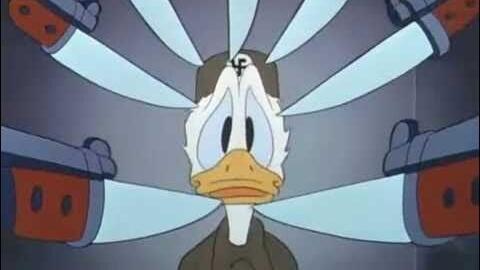
In 1943, Donald Duck enlisted to fight the Nazis. In a short film released in January of that year, Disney’s cartoon duck is portrayed as a civilian in Nazi Germany, living in abject conditions of food shortages and forced labor, only to discover that it was all a dream. The film, intended to sell war bonds, was a major artistic and public success, winning the Academy Award for Best Animated Short Film and, 50 years later, being named one of the 50 greatest animated films of all time.
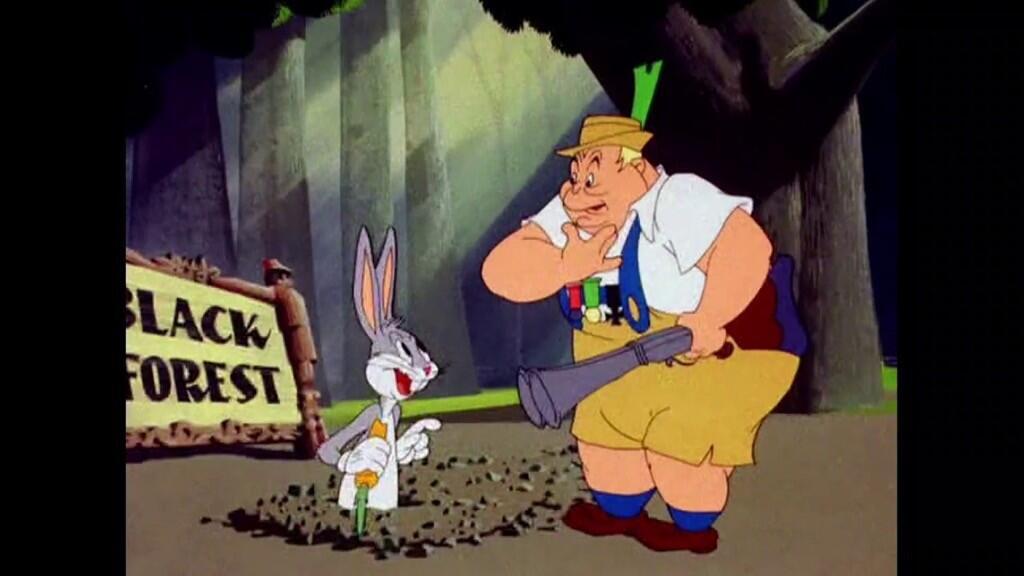
Donald Duck was not the only animated character to enlist in government propaganda against the Axis powers. Bugs Bunny sang for war bonds and mocked Hermann Göring (while impersonating Hitler), Popeye starred in a series of anti-Japanese videos, the Seven Dwarfs from Snow White were recruited for Canadian propaganda, and Minnie Mouse and Pluto instructed American housewives on how to conserve fat during wartime. Comic book characters such as Captain America, Batman, Superman, and Iron Man were also used for propaganda, especially during World War II and the Cold War.
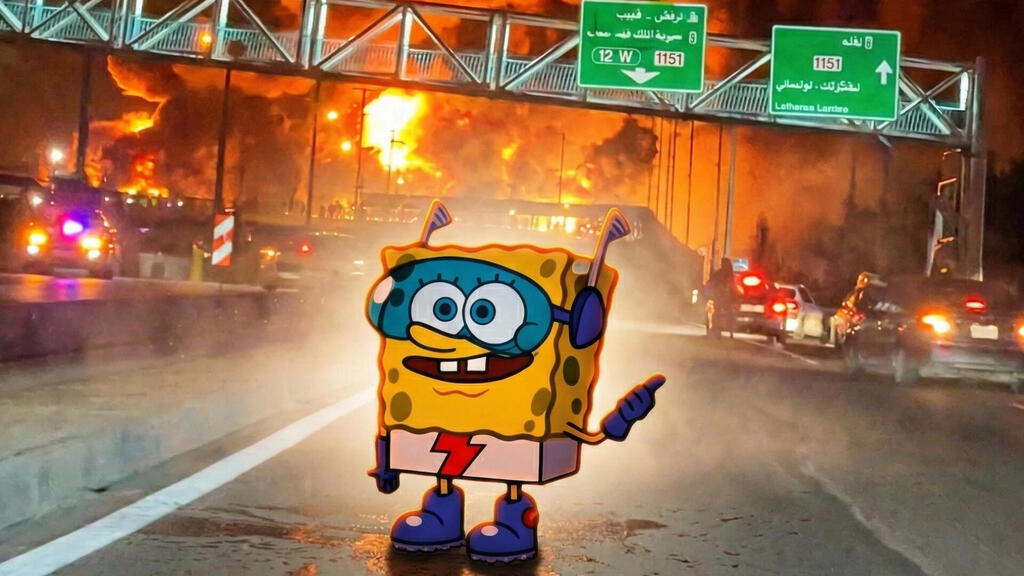
The use of cartoon characters and other popular culture icons for direct war propaganda has since waned. But now, in an effort to explain the unpopular war in Iran, the White House is recruiting them again, sometimes forcibly, and with a twist suited to the digital age: instead of elaborate, award-winning films shown in theaters, it is producing short, viral memes for social media, drawing on animated characters, action movies, video games, and popular music.
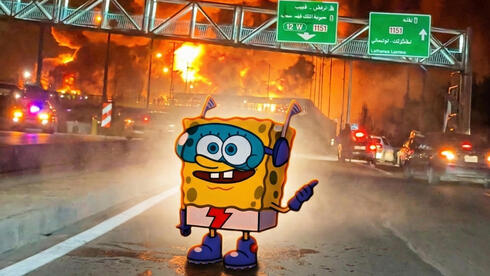
Earlier this month, the official White House account on X posted a 14-second video. It begins with an aerial shot of a target being bombed in Iran, followed by a clip of SpongeBob SquarePants asking, “Want to see me do it again?” The caption read: “No breaks, no apologies.”
On TikTok, the White House shared footage of missile launches and bombings in Iran set to Fireman, with an appearance by Donald Trump raising a fist above the caption: “The fireman is coming.”
Video games also occupy a central place in the administration’s messaging, as part of efforts to appeal to younger, gaming-oriented audiences that helped Trump win in 2024. One TikTok video combines battlefield footage with clips from Wii Sports, while another (since removed) used footage from Call of Duty: Modern Warfare 3.
Not only has the medium changed, but so has the message. Whereas World War II-era propaganda sought to bolster the war effort and mobilize public support, today’s messaging appears to serve a different purpose.
One of the most illustrative examples is a fast-paced, 42-second video interweaving bombing footage with clips from Top Gun, Braveheart, Breaking Bad, Tropic Thunder, Superman, Transformers, Deadpool, and Star Wars, ending with the phrase “flawless victory.” On X alone, the video has drawn nearly 65 million views.
The video also drew criticism from Ben Stiller, who asked the White House to remove it. “We never gave you permission, and we have no interest in being part of your propaganda machine,” he wrote on X. “War is not a movie.”
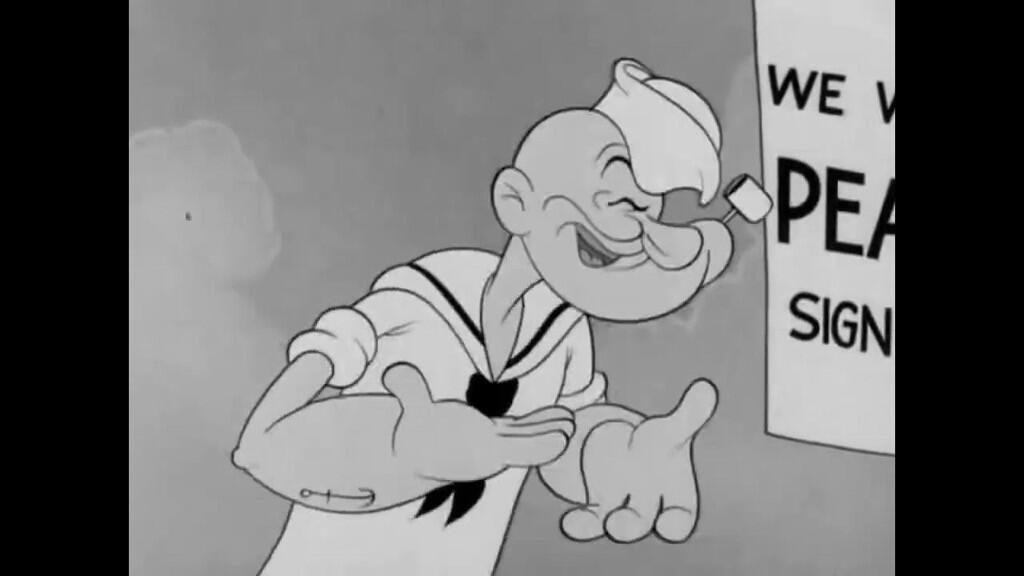
The use of popular culture as propaganda is not new. Even Alexander the Great minted coins depicting himself in the image of Hercules. In that sense, the current approach echoes that of earlier eras, including the Roosevelt administration’s use of Donald Duck, Popeye, Superman, and Captain America, though the medium and style have changed dramatically.
The central difference lies in the message. Donald Duck helped sell war bonds. Superman and Captain America embodied ideals such as “truth, justice, and the American way.” Today’s messaging, by contrast, focuses less on collective purpose and more on spectacle and personalization. It emphasizes imagery, explosions, icons, memes, and music, over narrative coherence or national vision.
Such tactics may energize a political base in the short term. But as the war continues and its economic consequences become more tangible, their effectiveness may erode.



