










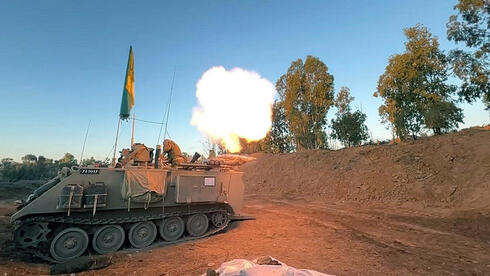
From Arrow interceptors to artillery shells: Why the IDF wants more money
The military argues that lessons from recent wars require a fundamental overhaul of force-building plans.
The budget battle between the Defense Ministry and the Treasury is intensifying. The IDF and the Defense Ministry are demanding an immediate increase in the defense budget from NIS 144 billion ($48.8 billion) to NIS 184 billion ($62.4 billion), citing the growing number of missions assigned by the political leadership. These include maintaining security zones in southern Lebanon, Syria, and Gaza, as well as sustaining a heightened state of readiness amid concerns over a potential renewed confrontation with Iran.
A discussion on the defense establishment’s request for an additional NIS 40 billion ($13.6 billion) in the 2026 budget was held with Prime Minister Benjamin Netanyahu about two weeks ago but ended without a decision. Another meeting is expected this week, with the participation of senior officials from the Defense Ministry, the IDF, and the Ministry of Finance.
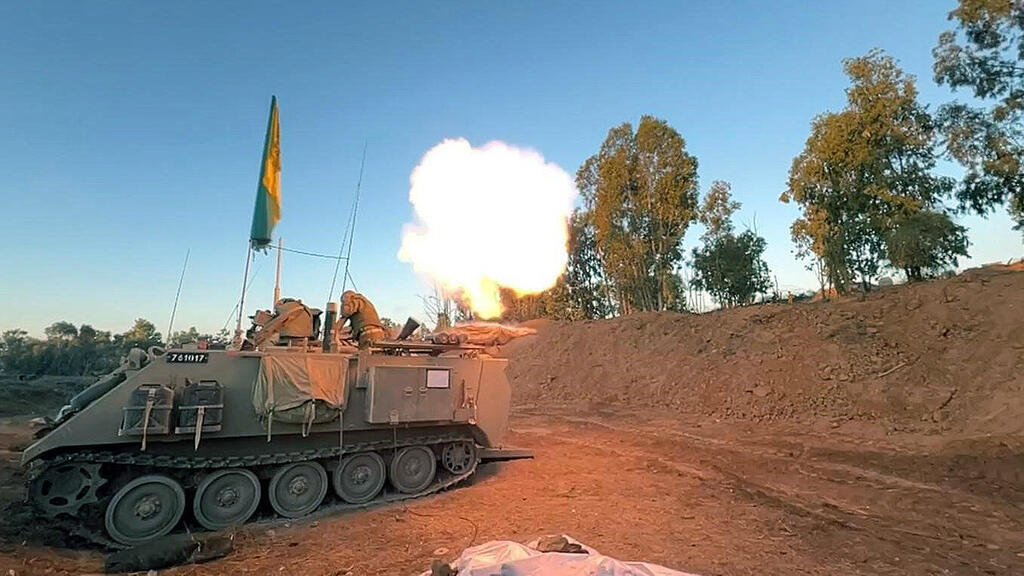
Defense officials warned over the weekend in conversations with Calcalist that Israel’s defense industries could soon face production disruptions due to the lack of funding for new procurement orders.
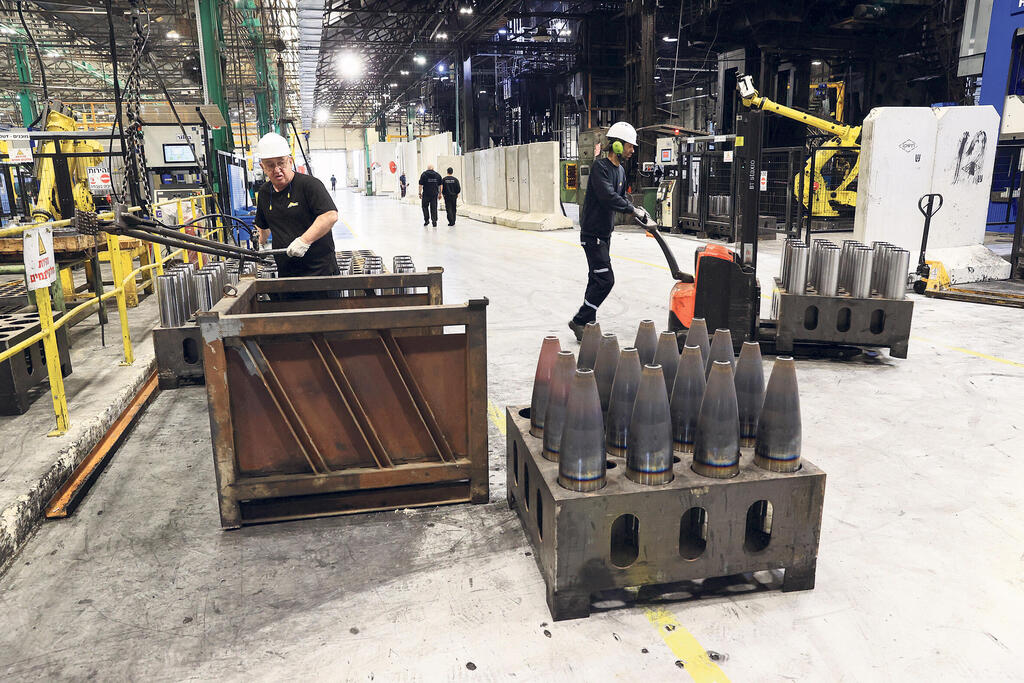
“Within two months, Elbit Systems may be forced to halt production lines for artillery and tank shells, while Israel Aerospace Industries and Rafael could later be required to reduce production volumes of Arrow 3 and David’s Sling interceptors,” defense sources said.
Orders worth several billion shekels are currently awaiting approval. According to defense officials, these contracts are essential to maintaining production continuity for critical munitions needed by frontline forces and to replenishing stocks depleted during the ongoing war.
When the 2026 state budget framework was initially approved, NIS 112 billion ($38.0 billion) was allocated to defense spending. The IDF argued that the allocation was insufficient to meet the government's expanding security requirements. Following the outbreak of the war with Iran at the end of February, the defense budget was increased by NIS 32 billion ($10.8 billion) to NIS 144 billion ($48.8 billion).
The defense establishment now argues that even this expanded budget is inadequate and that an additional NIS 40 billion ($13.6 billion) is required to fund operational needs and force-building plans through the end of the year.
Officials attribute the growing budget demands to the dramatic changes in the Middle East since October 7, 2023.
“If, a month and a half after the war began, we found ourselves short of basic ammunition because we had spent years preparing for short-war scenarios, we have since changed our mindset,” one defense source told Calcalist. “We have adopted a much more demanding planning scenario for stockpiles and force-building. After six months of intensive planning, we have clear timelines for placing new orders with defense contractors, but the budget needed to implement those plans has yet to arrive.”
The issue of defense funding became a public concern during the recent conflict with Iran, when reports emerged of shortages of Arrow 3 interceptors used against ballistic missiles. Budget constraints delayed procurement orders, forcing the Defense Ministry to rely on financial commitments rather than immediate funding to expand production capacity.
The Treasury, meanwhile, argues that the defense budget has become a bottomless pit and that effective oversight has been lost. Even a series of meetings totaling roughly 30 hours between Deputy Chief of Staff Maj. Gen. Tamir Yadai and Budget Department Commissioner Maharan Frozenfar failed to bridge the gap between the two sides.
During those discussions, Yadai presented the IDF’s long-term force-building plans and sought to justify increased funding. Frozenfar countered by demanding greater efficiency and reductions in what the Treasury sees as unnecessary spending.
Treasury officials argue that the military has operated reservist forces inefficiently since October 7. The cost of reserve mobilization alone has reached NIS 104 billion ($35.3 billion), with the figure continuing to rise as the conflict persists. Maintaining military operations in Lebanon while remaining prepared for a renewed confrontation with Iran costs between NIS 100 million and NIS 130 million ($33.9 million-$44.1 million) per day, according to estimates.
The dispute has become increasingly personal. Defense officials note that Frozenfar himself once served as the Defense Ministry’s budget chief and fiercely defended military spending against Treasury officials. Between 2007 and 2011, he argued that what critics called “fat” in the defense budget was often necessary capacity for wartime emergencies.
At the time, Frozenfar told Calcalist: “People sometimes think the IDF has unnecessary fat. They forget that the military is constantly preparing for an emergency. Even a private factory that knows it may need to increase production twentyfold every few years must maintain additional workers and equipment on a routine basis.”
Today, many of the same arguments are being directed at the military by Frozenfar himself. Defense officials complain that Treasury officials underestimate the unprecedented demands of a prolonged, multi-front conflict.
The backdrop to the dispute is Netanyahu’s proposed “Super Sparta” plan, which would increase defense spending by NIS 350 billion ($118.6 billion) over the decade beginning in 2027. The initiative is intended to strengthen Israel’s defense manufacturing independence and reduce reliance on foreign weapons suppliers.
At the same time, Israel is preparing for a major shift in U.S. military aid. The current framework, under which Israel receives $3.8 billion annually in American defense assistance, expires at the end of 2028. Future arrangements are expected to place greater emphasis on commercial cooperation and joint development projects between Israeli and American defense companies, while gradually reducing direct U.S. government funding.
Negotiations on the new framework began last week with a kickoff meeting between Israeli and American teams and are expected to continue in the coming months. The Israeli delegation is led by Defense Ministry Director-General Amir Baram, while the U.S. side is headed by State Department official Daniel Holler and U.S. Ambassador to Israel Mike Huckabee.
Treasury officials have expressed frustration at being largely excluded from the discussions.
“They believe all the wisdom exists within the walls of the Kirya,” a senior Budget Department official told Calcalist. “Eventually, they will come to us with a finalized agreement and ask for the money, just as they are doing now after placing procurement orders without securing the necessary budget.”
In recent weeks, senior Treasury officials have sharply criticized Defense Ministry Director-General Amir Baram, accusing the ministry of repeatedly exceeding agreed budget frameworks under the justification of growing security needs.
As with many previous disputes between the Defense Ministry and the Treasury, the final decision is expected to rest with Prime Minister Netanyahu. Treasury officials warn that granting the defense establishment’s full request could come at the expense of spending on healthcare, education, and welfare services for years to come.



