










Israel’s security reality is growing more dangerous, and more expensive
From Lebanon to Iran and Gaza, the IDF faces expanding fronts as defense costs spiral toward record levels.
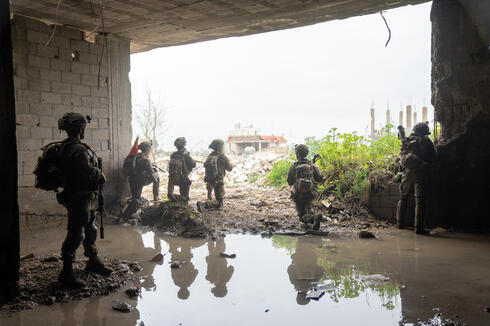
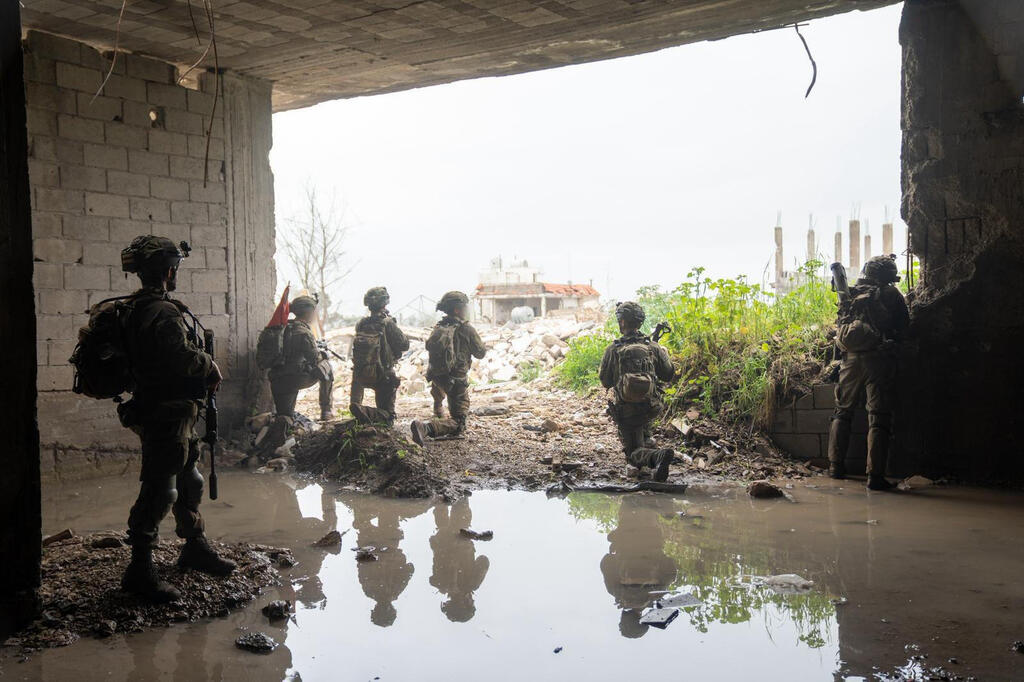
The emerging agreement between the United States and Iran could further complicate the IDF’s ongoing fighting against Hezbollah in Lebanon, despite the “ceasefire” that has technically been in place since mid-April. The IDF remains deployed inside a security zone roughly eight kilometers deep in Lebanese territory in an almost impossible attempt to keep Hezbollah’s anti-tank missiles away from northern Israeli communities. At the same time, however, Israel has been restrained from acting aggressively against Hezbollah following pressure from US President Donald Trump, who fears that an escalation in Lebanon could derail the fragile ceasefire framework taking shape with Iran.
In the meantime, the IDF continues to pay a heavy price. Hezbollah has intensified attacks using explosive drones guided by optical fibers aimed at Israeli troop concentrations, while launches toward northern Israeli communities continue almost daily.
Many details surrounding the emerging agreement, which is intended to end the broader regional conflict, remain unclear, including its implications for the fighting in Lebanon. Conflicting reports have only deepened the uncertainty. While Iranian officials claimed on Sunday that the agreement would also bring an end to Hezbollah’s fighting against Israel, Jerusalem remained silent.
In contrast, a “political source” in the Prime Minister’s Office claimed that Trump had made clear to Netanyahu that the United States would continue demanding the dismantling of Iran’s nuclear program and the removal of all enriched uranium from Iranian territory, while also preserving the IDF’s freedom of action against Hezbollah in Lebanon.
Israel, however, remains outside the negotiations taking place between Washington and Tehran. It is not participating in shaping the understandings and is receiving updates only through the United States and foreign diplomatic channels. The situation has intensified Israel’s sense of strategic uncertainty across all fronts threatening the country.
For roughly a month and a half, Trump has effectively limited Israel’s freedom of action in Lebanon, a sharp change from the arrangement established after the November 2024 ceasefire with Hezbollah, which had allowed the IDF to strike deep inside Lebanon in order to prevent Hezbollah’s reconstruction and rearmament. Under the current restrictions, the Israeli Air Force has reportedly been prevented from targeting Hezbollah infrastructure and senior operatives in Beirut, even as Hezbollah continues launching drones and explosive UAVs into northern Israel.
Earlier this year, the government encouraged tens of thousands of residents evacuated from northern border communities after October 7 to return home. Officials promised that they would return to a significantly improved security reality free from the threat of Hezbollah infiltration. Instead, residents have found themselves returning to an ongoing war routine, only now without the state even considering renewed evacuations.
With the hands of IDF soldiers increasingly tied and military plans for broader operations in Lebanon remaining unrealized, Israel’s next moves may ultimately depend less on decisions made in Jerusalem and more on those taken in Washington.
Netanyahu’s compliance with Trump’s demands also carries a growing financial cost. Every day of fighting in Lebanon, combined with maintaining the IDF’s readiness for a possible renewed confrontation with Iran, costs Israeli taxpayers between NIS 100 million (approximately $35M) and NIS 130 million ($45M) . Nearly half of that amount is spent maintaining large reserve forces, around 100,000 reservists are currently on active duty, while the remainder finances the IDF’s deployment along a roughly 100-kilometer-long security strip stretching from the Mediterranean coast to the Syrian border, as well as Air Force operational costs and ongoing logistical expenses.
Against this backdrop, the Defense Ministry and the IDF last week submitted an urgent demand to the Finance Ministry for another dramatic increase in the defense budget, to an unprecedented NIS 184 billion ($64B). The request represents an additional NIS 40 billion ($14B) on top of the current defense budget, which had already been increased from the originally planned NIS 112 billion ($39B) to NIS 144 billion ($50B) following the Second Iran War.
The Finance Ministry strongly opposes the additional increase, demanding greater efficiency from the defense establishment and warning that the growing military budget will come at the expense of civilian services such as healthcare, education, and welfare for years to come. Last Tuesday, Netanyahu convened a discussion on the issue, but the meeting ended without a decision.
The defense establishment insists that without additional funding it will not be able to complete 2026 under the current budget framework, given the expanding missions assigned by the political leadership. Alongside prolonged readiness for a possible renewed war with Iran and maintaining the security zone inside Lebanon, the IDF is also deployed inside buffer zones in Syria and Gaza.
Meanwhile, Hamas continues to maintain control in Gaza despite Netanyahu’s repeated declarations that the organization had been destroyed. Critics increasingly argue that these statements resemble previous declarations regarding Hezbollah and the Iranian missile and nuclear threat, promises that ultimately failed to materialize.
All of this is unfolding as Israel risks sliding into what many security officials privately describe as the most dangerous security reality in its history.



