










Israel moves to accelerate defense exports as global arms competition intensifies
The Defense Ministry is cutting licensing barriers for weapons manufacturers after exports hit a record $19.2 billion in 2025, as Israel seeks to maintain its edge against rising competition.
The Israeli Ministry of Defense is moving to further reduce bureaucratic barriers for defense exporters, launching the first phase of a reform aimed at accelerating the marketing and sale of Israeli weapons systems abroad as demand for military technology continues to surge worldwide.
At the request of the Ministry of Defense, the Knesset Foreign Affairs and Defense Committee approved the first stage of implementing the reform this week. The plan is designed to shorten approval timelines for companies seeking to register as defense exporters and obtain marketing licenses.
The reform comes after Israeli defense exports reached a record $19.2 billion in 2025, a 30% increase from the previous year, despite growing international criticism of Israel’s military operations in Gaza and political pressure in parts of Europe to restrict defense ties with Israel.
Behind the record numbers is a broader shift in global defense spending. Governments across Europe, the Middle East and Asia are increasing military budgets amid concerns over future conflicts, while the war in Ukraine and Israel’s own multi-front conflict have accelerated demand for missile defense, drones, precision weapons and other battlefield technologies.
The Defense Ministry views exports not only as an economic engine for Israel’s defense industry, but also as a strategic tool that strengthens the country’s military capabilities and diplomatic influence.
“Increasing defense exports is a central part of the Ministry of Defense’s strategy as a key tool for building the IDF’s power, influencing foreign policy, and strengthening the Israeli defense industry and economy,” the ministry said.
The first stage of the reform focuses on streamlining the licensing process. It includes shortening the timelines required for companies to register in the defense exporters’ registry and receive marketing approvals.
A central component is the formal introduction of a product document into regulations. The move is expected to enable a broader expansion of exemptions from marketing licenses in the next stage of the reform.
The longer-term goal is to significantly expand the list of countries exempt from marketing licenses for unclassified products and create exemptions for certain products classified as “reserved” when marketed to approved countries.
According to the Defense Ministry, the changes will allow most unclassified products to move toward a single-stage licensing process rather than requiring multiple approvals.
At the same time, the ministry emphasized that easing restrictions would be accompanied by stronger enforcement measures and greater responsibility from exporters to ensure that Israeli technology is not transferred to unauthorized users.
Israel’s defense export strategy has increasingly become intertwined with foreign policy.
Government-to-government agreements have played a growing role in recent years, with approximately $10 billion of Israel’s defense exports in 2025 coming through such transactions, compared with $6.5 billion in 2024.
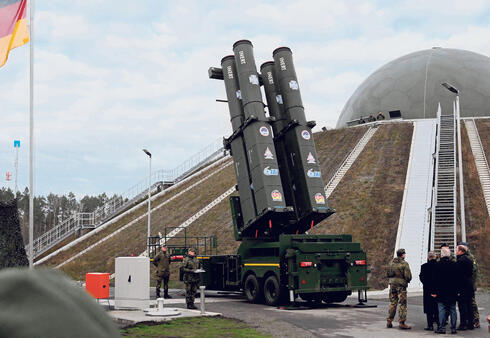
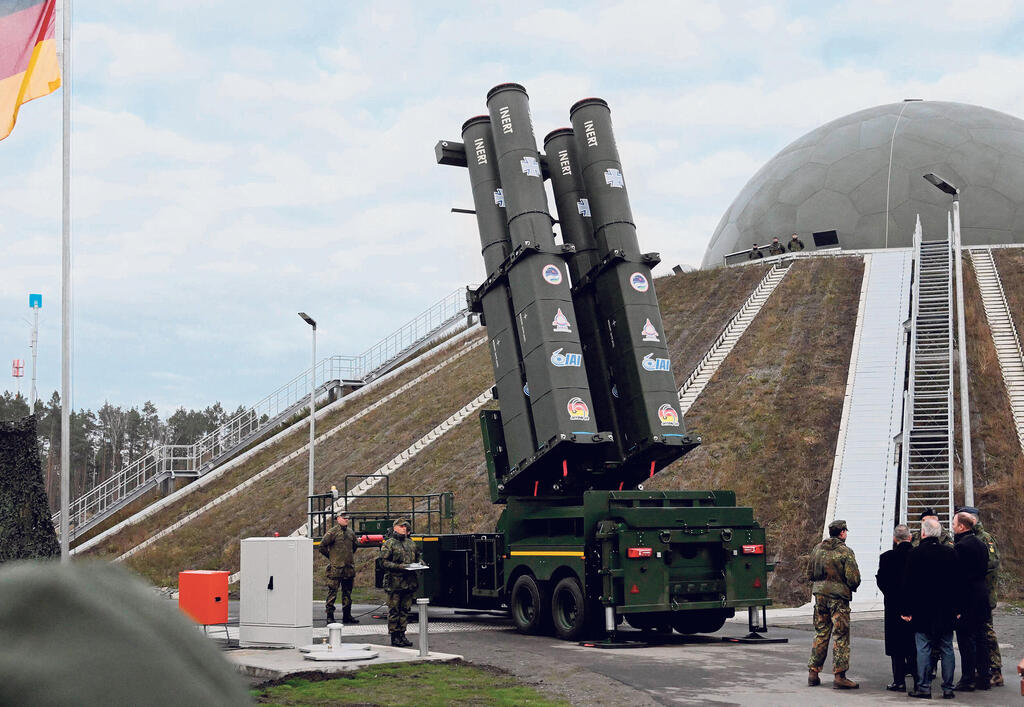
Major agreements, such as Israel’s sale of the Arrow 3 missile defense system to Germany, have demonstrated how weapons deals can become long-term strategic partnerships rather than simple commercial transactions.
Defense officials argue that countries that rely on Israeli-made systems for critical military capabilities are more likely to maintain close security ties with Israel.



