











Why Israel's tech workers no longer want ping-pong tables
The country's HR leaders say the era of flashy perks is fading as employees seek flexibility, recovery and meaningful work in a time of war. CTech's "HR: The Next Leap" survey consulted 31 Israeli offices across the high-tech landscape, from entrepreneurs to VCs, to gauge the most pertinent macro and micro trends affecting Startup Nation in recent times. Over the next few days, we'll dive deeper into these findings, starting with one of the most definitive themes of the moment: a crisis-driven culture.
"The companies retaining talent right now are the ones that have replaced the performance of care with the actual practice of it," says Gye Cohen, Director of Operations at YL Ventures. "When employees are constantly balancing intense professional goals with profound personal and national anxieties, superficial perks don't just lose all meaning, they feel tone-deaf."
The ongoing state of war and national emergency has irrevocably changed company culture and the employer-employee relationship in Israel. With it has come the death of the "all-inclusive" office as expectations around work benefits fundamentally change, and everyday fatigue warps into a compounded “life burnout.” At the same time, companies are finding that their mission has also become their best retention tool, while seeming disruptions, interviews paused sirens, is creating an entirely new kind of workplace bonding.

From active and looming war threats to AI rapidly and constantly redefining what it means to be productive, running a company in Startup Nation brings with it its own unique category of challenges and rewards. In this latest iteration of our “HR In” series, we interviewed a new round of companies to take a glimpse into the heart of the local tech ecosystem through the HR professionals actively shaping its culture.
Conducted between May and June 2026, our HR: The Next Leap survey targeted executives whose roles are more demanding and vital than ever. Israel's people professionals have been tasked with future-proofing their workforce while simultaneously ensuring business continuity and employee wellbeing during relentlessly unprecedented times. Through their responses, we gauged the most salient macro and micro trends defining the modern workplace in Israel. Below, we unpack arguably one of Startup Nation's most definitive themes of the moment: crisis-driven culture.
The “all-inclusive” workplace is dying
The era of flashy perks, from lavish bonuses to ping-pong tables, appears to be sunsetting. The culture where the office tried to supplement the personal lives of its employees by providing everything from a free gym to a built-in social circle, effectively acting as a second home, is no longer being romanticized.
"The younger generation has quietly opted out of the all-inclusive workplace, the company that wants to be your gym, your social circle and your second family," said Dana Matalon Goren, VP HR at Zero Networks. "They want a job and they want a home, and they want a clean, defensible boundary between the two. So our total-rewards thinking has shifted from extrinsic perks toward what people actually value now: autonomy, flexibility, and time sovereignty."
And while younger generations generally have been pushing for clearer work-life boundaries around the world, this trend is particularly pertinent in Startup Nation. When employees are dealing with work demands while carrying the anxiety and exhaustion of ongoing national security crises, treating burnout with flashy benefits is increasingly viewed as “tone-deaf.” Most survey respondents described flexibility and autonomy as the most coveted benefits for their employees today.
6 View gallery

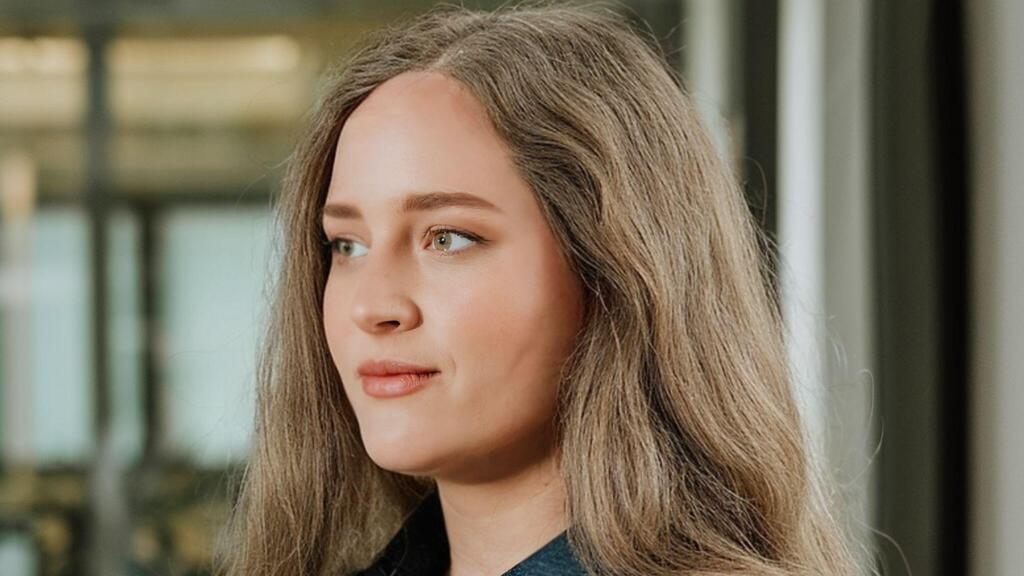
Ella Shelef-Aharoni, SVP of People & Culture, AT&T Israel R&D Centre.
(Photo: Osnat Rom)
"The era of flashy benefits has largely ended. What remains is more fundamental," said Ella Shelef-Aharoni, SVP of People and Culture at AT&T Israel R&D Center. "Today, the most meaningful benefit an organization can offer is control: over time, boundaries, and personal sustainability. Real flexibility, practiced rather than promised, has replaced slogans. Managers are expected to ask how people are truly doing and to be able to carry the answers. Burnout is not solved through bonuses or motivational messaging. It eases when culture allows people to be human rather than heroic, especially during prolonged periods of stress."
In fact, while there was unanimous agreement that traditional tech perks are redundant when it comes to the current plight of Israel's high-tech workforce, 74% of respondents (23 out of 31 companies) specifically mentioned flexibility, stability and trust as among the most valued assets an office can offer their workers in the fight against a systematic "life burnout."
"Belonging and feeling genuinely seen is what sustains long-term commitment," said Cohen. "The real work for HR leaders right now is the rejection of any one-size-fits-all framework."
Burnout in Startup Nation has evolved into "life burnout"
An obvious trend throughout the survey was that employee exhaustion is not a result of professional workload alone but a compounded "life burnout" stemming from the mental and emotional toll of living through ongoing crises. This challenge is further complicated by workplace disruptions, including managing and compensating for reserve duty call-ups, as well as supporting employees who are navigating the strains of family life during these events.
"Burnout today has a very different texture than it did a few years ago," said Noa Mindlin and Anna Nuriel, Co-VPs of HR at BioCatch. "It is no longer just about workload. It is a cognitive and emotional load. People are navigating demanding professional environments while simultaneously processing an ongoing security reality and the relentless pace of AI-driven change. The feeling that the ground is constantly shifting, both outside and inside the tech industry, is genuinely exhausting."
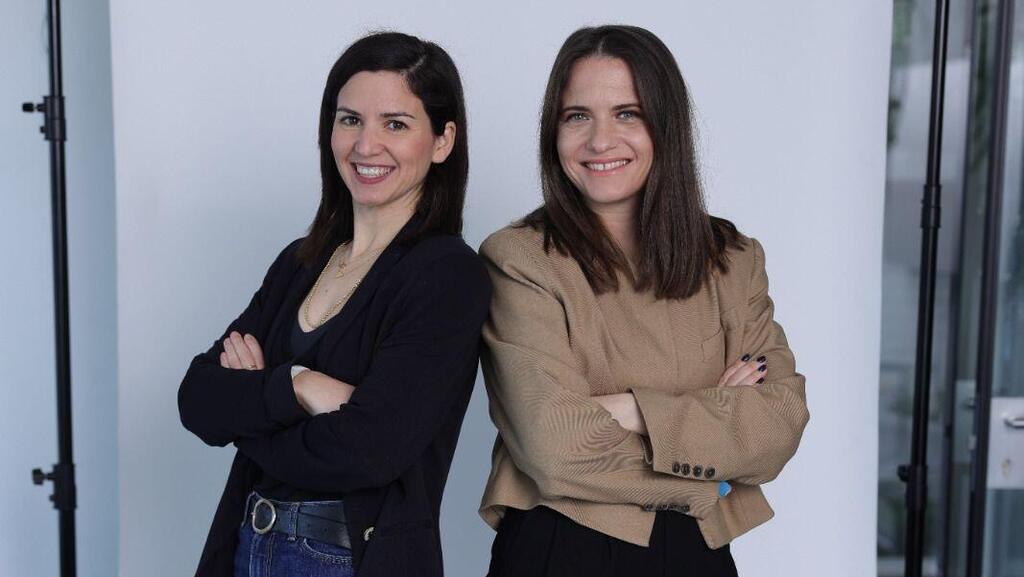
Limor Kidron, VP of HR at Bright Data, explained how companies must distinguish the usual employee burnout (often situational fatigue) from what the industry is experiencing now.
"There are several types of burnout. There’s the kind that has existed forever – burnout that develops after many years in the same place or the same role, especially when there isn’t enough change, challenge, or continuous learning," she said. "And then there’s 'life burnout'. The kind that combines work with war or COVID, and everything in between. That’s a different category altogether, and that’s what we addressed, for example, by actual support: staying close, maintaining contact with employees’ families, helping where needed, whether at home or at the office."
Naturally, standard paid time off or even traditional bonuses are not enough of a fix for this systemic exhaustion. To combat this "life burnout" throughout the height of the Israel-Iran war, a new trend emerged across the respondents: company-wide "recharge days."
Rather than asking exhausted employees to use personal vacation to recover from a national emergency, these companies provided fully paid days off where the entire company shut down. This further helped employees disconnect by relieving them of the guilt of knowing their colleagues were still working, and eased the dread of returning to an overflowing inbox.
"To address deep mental burnout, we have replaced flashy perks with a commitment to genuine recovery," said Michal Perry, SVP HR at Rakuten Viber. "Both during the initial conflict in June 2025 and again following the ceasefire in April 2026, we proactively closed our Tel Aviv office for collective 'recharge days.' These are fully paid days off for the entire company simultaneously, ensuring no one feels the pressure to 'catch up' while others are working."
Meanwhile, according to Shany Tenzer-Kessel, Chief People Officer at Navina, "the industry is now moving past the phase where 'resilience' worked as an answer to everything; people have carried too much for too long.” She added: "What we've leaned into at Navina is the set of things that actually compound: meaningful work-from-home days, an increase to the Sibus benefit, and recharge days that don't compete with vacation balance because asking exhausted people to use their PTO to recover from a national emergency is tone-deaf."
Purpose as the ultimate retention strategy
What also became apparent during this time of instability was the degree to which a company's mission anchored its employees. For startups operating in defense, cyber-physical systems, or infrastructure, the knowledge that an employee's work directly correlated to a meaningful impact, whether protecting hospitals, power grids, or national security, was repeatedly cited as a buffer against burnout.
Many HR executives observed that when employees feel their work matters during national security crises (and in general), it generates a noticeable level of commitment despite the extenuating circumstances, and by extension, retention. 23% of respondents (7 out of 31 companies) pointed out that the specific nature of their work provides a sense of purpose to their employees that helped keep them engaged during the crisis conditions.
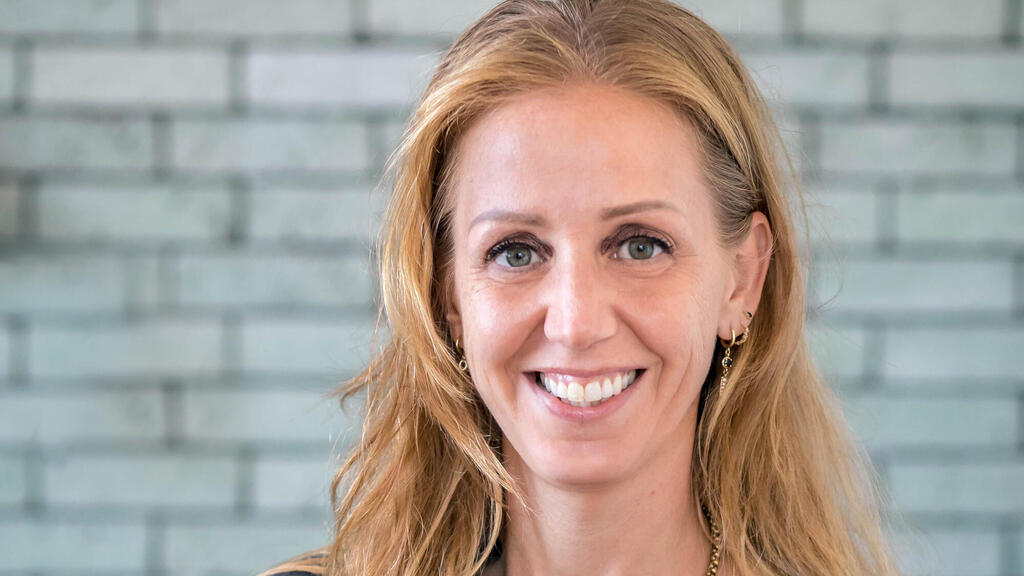
"We are seeing an increase in conversations around relocation but at the same time, we are also witnessing a parallel and equally significant trend, a strengthened sense of responsibility and commitment to national security," said Ayelet Sapir, VP of Human Resources at Aeronautics. "In the UAV and defense sector, employees are deeply aware that their work directly contributes to national security. This connection creates a strong sense of purpose and at times even pride, which continues to be a central factor in their decision to stay and remain engaged."
Similarly, Natalie Katester Boimer, Global VP of Human Resources at Claroty, stated that "our most significant proactive step for talent retention is creating daily purpose." She continued: "When an employee knows their work protects critical infrastructure like data centers, hospitals, and power grids, it creates an anchor of stability and pride amidst national uncertainty. We make sure to remind our employees that they are the heartbeat of the organization, and our commitment to them is long-term."
Of course, as Vik Rozenshtrom, Head of People at Echo, observed, commitment is forged not just from impactful work, but from the quality of leadership a workplace can demonstrate alongside it.
"Many employees are looking for stronger connection and meaning in the places they choose to work. The most effective retention strategy today is not perks, it’s credibility," Rozenshtrom explained. "People want to trust leadership. They want transparency. They want to feel the company understands the reality they’re living in instead of pretending everything is normal. There’s also something unique about building from Israel right now. For many people, especially in cybersecurity and infrastructure, there’s a strong sense that the work here matters. That creates a different level of commitment."
Disruptions like sirens created moments for bonding
During the height of the tensions with Iran, as sirens became a new normal, operational continuity meant daily routines likewise developed a new normal. For recruiters, this meant their job interviews were often interrupted.
“We didn’t stop recruiting for a moment,” said Omer Kfir, Head of HR at Mind Security. “We continued hiring for all roles while adjusting processes to the situation. It was common to have interviews interrupted by sirens, which meant rescheduling, delays, and constant coordination to keep processes moving.”
"Unfortunately, the reality in Israel requires organizations to develop strong operational resilience alongside high human sensitivity," noted Lee Winstock, Head of HR at ImageSat International (ISI). "We see this in practice – teams pausing interviews, whether virtual or in person, due to sirens, and then returning to the exact same point with full professionalism. This reflects how functioning alongside uncertainty has become part of our routine."
However, beyond the expected pauses, these moments proved conducive to something else entirely. Interestingly enough, 77% (24 out of 31 companies) described how these interruptions have become a normalized part of business, handled with empathy and resulting in unique moments of connection between the parties.
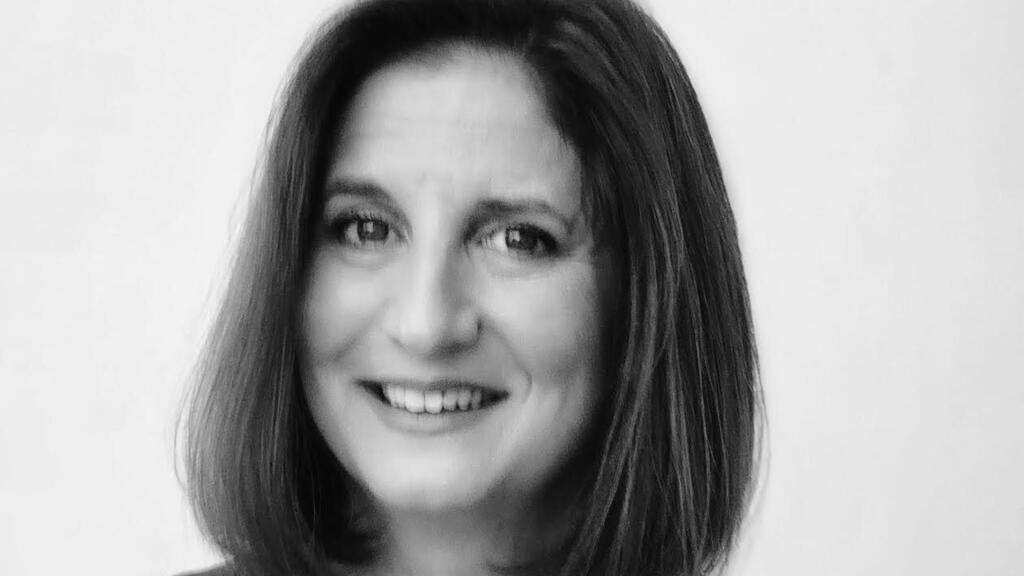
"It’s definitely thrown unique challenges into the mix, but our team and candidates have shown incredible resilience," shared Maya Green, Chief HR Officer at Oligo. "We’ve had interviews interrupted by sirens, which naturally impacts the natural flow of the hiring process, but it created a unique bonding experience, as we had candidates join us in the shelter. They felt like they were already a part of Oligo."
"The part that has stayed with me is the human dimension, and it shows up most in our global interviews, where I’m in Israel and the candidate is abroad," reflected Matalon. "These are people on the far side of the conflict, with no personal stake in it, and yet whenever a siren has forced us to cut a conversation short, they’ve responded with real understanding and genuine concern. That kind of unsolicited empathy from the other end of a video call says something about candidate experience that no process design can manufacture."



