











HR The Next Leap
OpenLegacy: “We still see strong value in entry-level talent, but expectations are evolving”
Yafit Nagar Solomon, VP of HR, IT & Payroll at OpenLegacy, discusses how the AI revolution is reshaping entry-level expectations, and the active leadership an ongoing security crisis demands, as part of CTech’s HR: The Next Leap series.
As the AI revolution reshapes the workforce, “we still see strong value in entry-level talent, but expectations are evolving. Learning agility and versatility are becoming more important from day one,” says Yafit Nagar Solomon, VP of HR, IT & Payroll at OpenLegacy, an AI-driven platform that helps enterprises unlock their legacy systems, enabling seamless cloud migration. Solomon argues that at OpenLegacy, AI has “encouraged more cross-functional ways of working. For example, in development, we increasingly value end-to-end ownership rather than narrow specialization.”
From active and looming war threats, to AI rapidly and constantly redefining what it means to be productive, running a company in Startup Nation brings with it its own category of challenges and rewards. HR: The Next Leap takes a glimpse into the heart of Startup Nation via the HR professionals shaping its culture. We survey the executives whose jobs are more demanding and more vital than ever, as they heed the future-proofing of their workforce, while simultaneously ensuring business continuity and employee wellbeing during relentlessly unprecedented times.
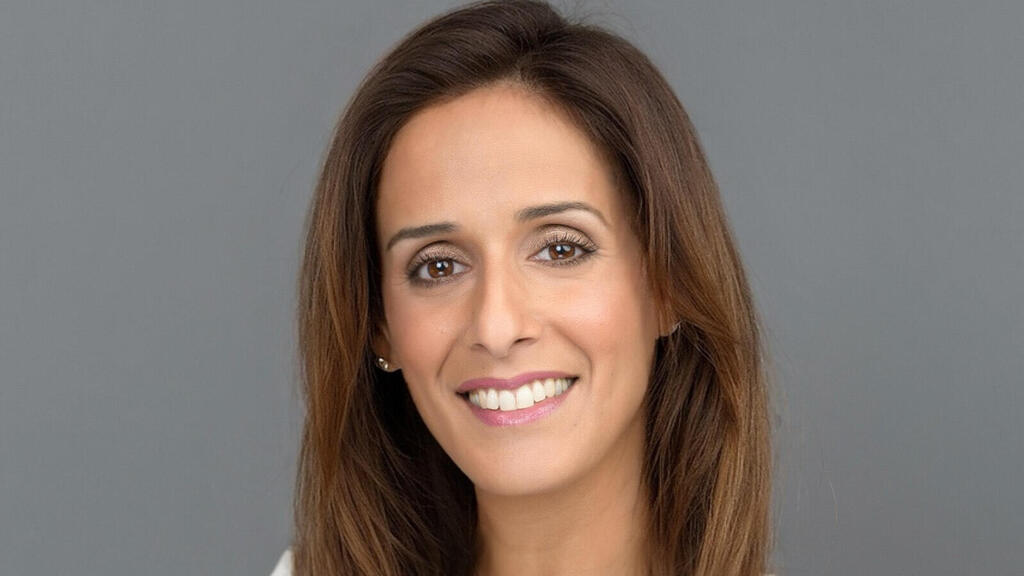
Meanwhile, amid the country's ongoing security crisis, Solomon says that “we have not seen a meaningful increase in relocation requests or signs of disengagement among top talent. On the contrary, our teams have remained committed and highly engaged, even during a very challenging period.” However, she cautions not to take the commitment for granted. “In times of uncertainty, retention requires active leadership,” she says. “Maintaining continuity during an emergency starts with putting people first.”
You can read the entire interview below.
Company Name: OpenLegacy
Sector: Enterprise Software FinTech Infrastructure, Legacy Modernization
Founders: Romi Stein and Roi Mor
Year of Founding: 2013
Investment stage: Series C
Total investment to date: Approximately $70M+
Investors: SBI Holdings, Silverhorn Investment Advisors, RDC, CommerzVentures, Leumi Partners, and more
Current number of employees: 50-100
Website: https://www.openlegacy.com/
Social Media: LinkedIn
As of March 2026, the market officially shifted into an 'employer's market'. How have your screening criteria changed, and do candidates - including senior-level ones - still hold any leverage in negotiating salaries and terms?
While the market has become more employer-driven, the bar for hiring has actually risen. Companies are placing greater emphasis on precision, long-term value, cultural fit, and the ability to contribute in a fast-changing environment.
Compared to the past, we’re seeing a higher concentration of strong candidates reaching the final stages of the recruitment process, enabling a more precise selection of the right fit.
That said, top talent, especially at the senior level, remains highly competitive and continues to have leverage in salary and contract discussions. They are evaluating not only compensation, but also leadership, stability, and long-term growth potential.
Our approach is to maintain a high standard in screening while building trust and transparency from the very first conversation.
How have/are you managing operational continuity and recruitment while the economy navigates the emergency state triggered by the conflict with Iran? With the threat of escalation looming at any moment, how are you and have you been handling everything from interviews interrupted by sirens to managing teams thinned by massive, ongoing reserve duty?
Maintaining continuity during an emergency starts with putting people first. From the outset, we moved quickly to remote work, stayed in close contact with employees to understand their needs, and provided tailored support, including expanding employee wellness support and holding biweekly virtual sessions to maintain connection.
At the same time, we adapted our recruitment processes to the situation by moving interviews online, building greater flexibility into timelines, and maintaining clear communication with candidates throughout periods of uncertainty.
Despite the disruption, we continued working closely with our global clients and maintained business continuity across teams, even conducting critical meetings from shelters when needed.
Our ability to balance employee well-being with operational needs has been central to our resilience. In moments like these, leadership is not just about keeping the business moving. It is about creating stability and trust for your people.
Beyond the role of empowering employees, which roles has AI eliminated over the past year, what percentage of your workforce was reskilled to avoid being phased out, and how has this impacted entry-level hiring?
AI has not led to role eliminations for us, but it has significantly changed how we define and structure work.
Over the past year, we have focused on redesigning workflows and equipping employees with AI tools that improve efficiency, speed, and decision-making. The goal has been to help people work smarter and take on broader, higher-value responsibilities.
This shift has also encouraged more cross-functional ways of working. For example, in development, we increasingly value end-to-end ownership rather than narrow specialization.
From a hiring perspective, this means we are placing greater emphasis on adaptability, curiosity, and the ability to work effectively with AI tools. We still see strong value in entry-level talent, but expectations are evolving. Learning agility and versatility are becoming more important from day one.
The companies that will benefit most from AI are those that don’t just adopt AI, but rethink how their people evolve alongside it to create real business value.
Against the backdrop of the unstable security and political climate, are you seeing an increase in relocation requests or 'quiet quitting' by top-tier talent moving abroad, and what is the most proactive step you are taking to retain them in Israel?
At this stage, we have not seen a meaningful increase in relocation requests or signs of disengagement among top talent. On the contrary, our teams have remained committed and highly engaged, even during a very challenging period.
That said, we are not taking that commitment for granted. In times of uncertainty, retention requires active leadership.
We focus on open communication, flexibility, and making sure employees feel heard and supported. For us, retention is creating an environment where people feel stable, valued, and connected over time.
In an era where stability has replaced flashy perks, how are you addressing the deep mental burnout of employees torn between the professional and security fronts, and what is the most critical benefit you offer today in place of the bonuses that have vanished?
Perks have not disappeared. They have become more purposeful.
Today, burnout is driven by more than workload. Employees are also navigating uncertainty, security concerns, family responsibilities, and the rapid pace of technological change.
In this environment, the most meaningful benefit we can offer is stability: clear communication, leadership visibility, flexibility, and genuine support.
Just as important is maintaining a sense of connection. One employee recently told us that what mattered most was feeling part of a team, whether in the office or working remotely.
That mindset has shaped how we adapted our benefits. We continued to mark important moments in ways that help preserve routine, morale, and a sense of belonging.
When people feel supported during difficult periods, they are more engaged, more resilient, and better able to perform at their best.



