








HR The Next Leap
Axonius: “I think people are considering where they see their future and whether that's in Israel or abroad”
Nurit Shiber, Chief People Officer at Axonius, discusses the reality of an ongoing security situation, AI's impact on the workforce, and why top talent retains leverage in any market, as part of CTech’s HR: The Next Leap series.
“The most important thing for us in Israel is making sure people feel supported locally. But I think people are considering where they see their future and whether that's in Israel or abroad,” says Nurit Shiber, Chief People Officer at cybersecurity asset intelligence platform Axonius. While the volume of relocation requests has risen against the backdrop of an unstable security and political climate, Shiber maintains that overall, it has been “truly incredible to see the resilience across Israel and watch so many companies continue to operate nearly seamlessly under such difficult circumstances.”
From active and looming war threats, to AI rapidly and constantly redefining what it means to be productive, running a company in Startup Nation brings with it its own category of challenges and rewards. HR: The Next Leap takes a glimpse into the heart of Startup Nation via the HR professionals shaping its culture. We survey the executives whose jobs are more demanding and more vital than ever, as they heed the future-proofing of their workforce, while simultaneously ensuring business continuity and employee wellbeing during relentlessly unprecedented times.
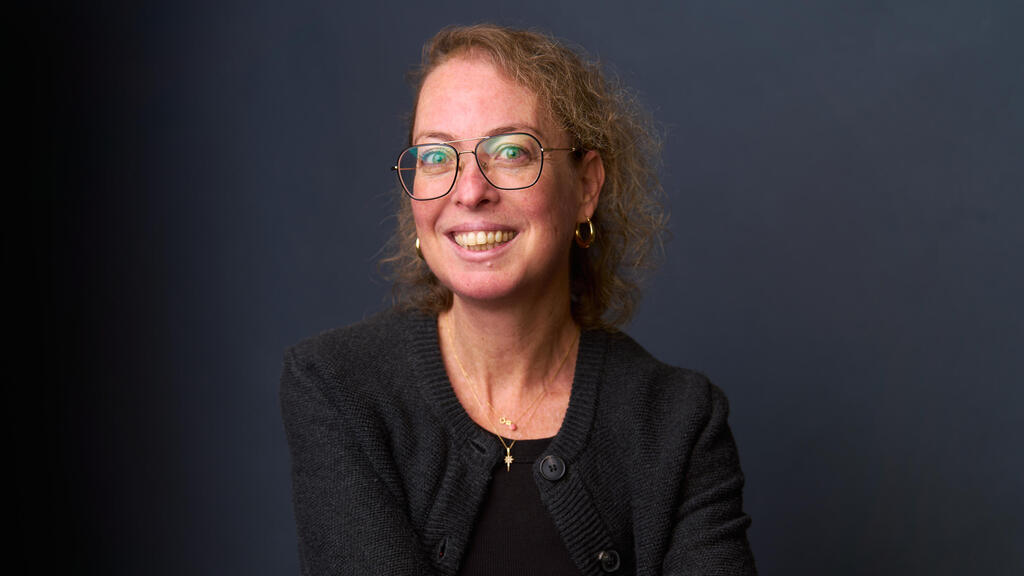
Addressing the recent swing toward an employer-leaning market alongside the eruption of AI's impact on the workplace, Shiber emphasizes that “the market has always been about talent. I've seen this through wars, financial crises, everything.” She notes that “the candidates who know how to articulate what they've actually accomplished, what they've moved the needle on, they're the ones with leverage. That's been true for twenty years, and it will stay true.” She adds that while AI has not actively eliminated roles, “it's prevented us from adding headcount despite business growth, especially on the administrative side.”
You can read the entire interview below.
Company Name: Axonius
Sector: Cyber Security, Asset Management
Founders: Dean Sysman, Ofri Shur, and Avidor Bartov
Year of Founding: 2017
Investment stage: Late Stage (Series E Extension)
Total investment to date: $700M+
Investors: Accel, Stripes, Bessemer Venture Partners, Lightspeed Venture Partners, Alkeon Capital, Index Ventures, OpenView
Current number of employees: ~700
Website: axonius.com
Social Media: LinkedIn, X (Twitter)
As of March 2026, the market officially shifted into an 'employer's market'. How have your screening criteria changed, and do candidates - including senior-level ones - still hold any leverage in negotiating salaries and terms?
The market has always been about talent. I've seen this through wars, financial crises, everything. The people who thrive are the ones who can show real impact and real outcomes. That's what gets you paid well. Market conditions shift, but value doesn't change. The candidates who know how to articulate what they've actually accomplished, what they've moved the needle on, they're the ones with leverage. That's been true for twenty years, and it will stay true. What's even more heightened in the AI era is that technology is allowing you to unleash more creativity and create more outcomes in a faster way. Candidates who can extrapolate their value and accelerate impact by using these technologies and understanding the fundamentals and frameworks behind AI are the ones that will thrive and get paid for the impact they bring.
How have/are you managing operational continuity and recruitment while the economy navigates the emergency state triggered by the conflict with Iran? With the threat of escalation looming at any moment, how are you and have you been handling everything from interviews interrupted by sirens to managing teams thinned by massive, ongoing reserve duty?
We're deeply grateful to our people for helping us maintain operational and business continuity under these circumstances. Our first priority is clear: their safety and their families' safety. Everything else flows from that. We've given flexibility where needed, expanded vacation days, extended food voucher support for everyone, and provided alternative accommodation for people whose houses were hit. For our reservists, we reach out to their families, check in, and make sure they have the support they need. We're very lucky to have a deeply supportive employee community that takes care of one another. Externally, we completely understand that candidates need flexibility with interview scheduling. If anything is interrupted by an alarm, their safety is what matters most. It's truly incredible to see the resilience across Israel and watch so many companies continue to operate nearly seamlessly under such difficult circumstances. That's what enables us to maintain a high-performing and human-centric culture. People continue to deliver incredible results despite difficult conditions, and we make sure everyone feels seen and cared for.
Beyond the role of empowering employees, which roles has AI eliminated over the past year, what percentage of your workforce was reskilled to avoid being phased out, and how has this impacted entry-level hiring?
What we've seen is that AI hasn't eliminated roles, but it's prevented us from adding headcount despite business growth, especially on the administrative side. Tasks that used to require additional hires are now handled by AI. On reskilling, we've taken a company wide approach. We're training all employees on AI fundamentals. We've created AI transformation champion roles across departments who help teams think through how to leverage AI better and faster. It's not about replacing people. It's about making everyone more capable and productive. As for entry level hiring, we're being more selective but also looking for people who have that AI fluency and curiosity built in.
Against the backdrop of the unstable security and political climate, are you seeing an increase in relocation requests or 'quiet quitting' by top-tier talent moving abroad, and what is the most proactive step you are taking to retain them in Israel?
We've seen some increase in relocation requests. We try to support these moves where possible. The most important thing for us in Israel is making sure people feel supported locally. But I think people are considering where they see their future and whether that's in Israel or abroad. Where we can support relocation, we do. The deciding factor is business needs. It has to make sense for the role and for the person to be in that location.
In an era where stability has replaced flashy perks, how are you addressing the deep mental burnout of employees torn between the professional and security fronts, and what is the most critical benefit you offer today in place of the bonuses that have vanished?
The biggest advantage we've always had at Axonius is flexibility. We don't mandate office days. Employees decide whether they work from home or from the office. In times of hardship, that flexibility is critical currency. It lets people balance personal needs and business needs. We also give longer weekends a couple of times a year, creating time from Friday through Sunday so people have real time to take care of themselves and their families. And we provide psychological support and counseling when employees need it to navigate difficult situations. These aren't flashy perks. They're what actually matter when people are juggling their professional and personal worlds under pressure.



